




Happy 50th, Golf GTI
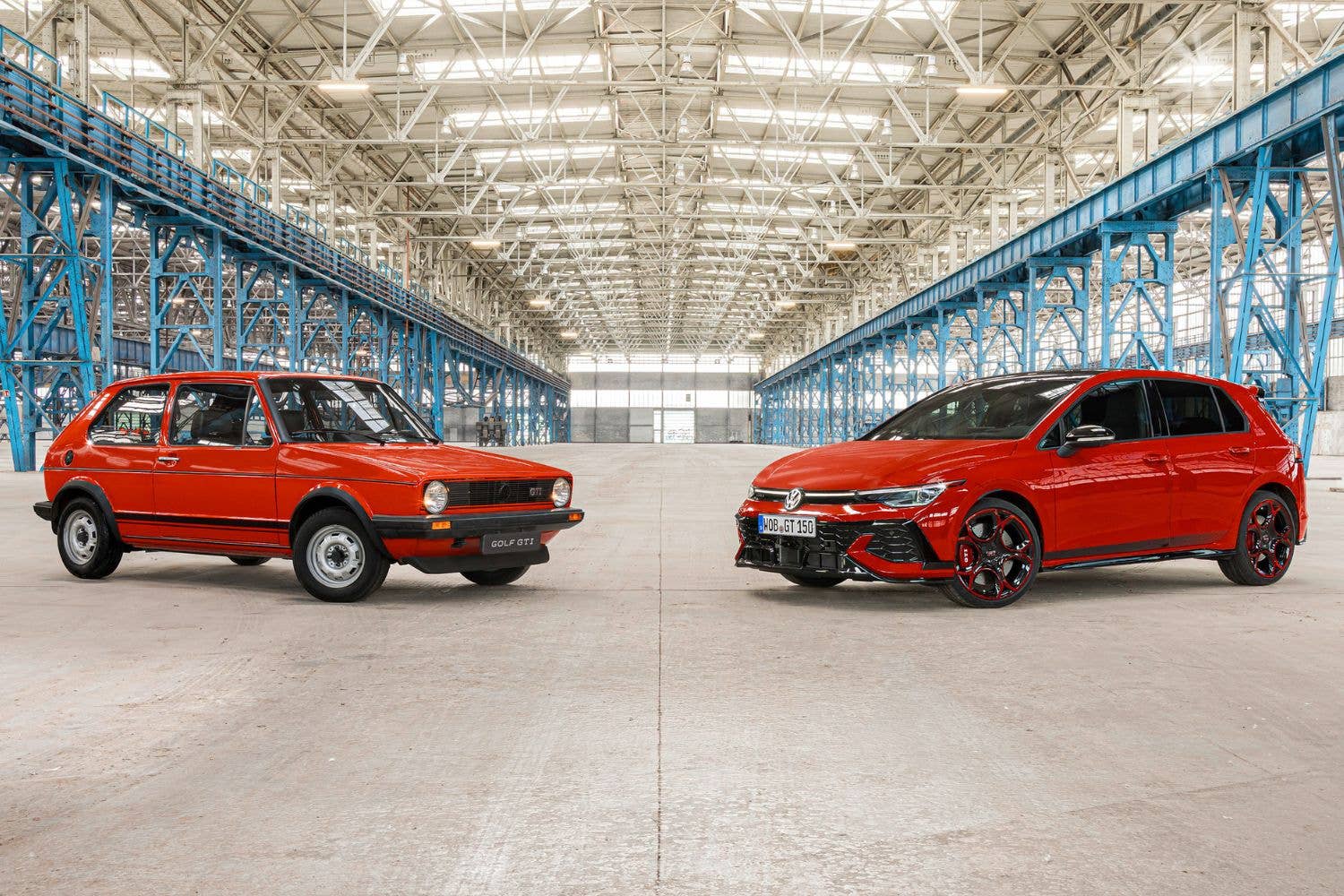
It may not be the first hot hatch ever made, but the Volkswagen Golf GTI can be best described as the car that defined the genre. Introduced in 1976, it was the result of an ad hoc team that wanted to prove to management that a sporty Golf is a worthwhile endeavour.
Thankfully, they were proven right, as the GTI is still around and spawned countless competitors over the decades. In 2026, it celebrates its 50th anniversary, so now would be a good time to take a quick look back at all the sporty Golfs through the years.
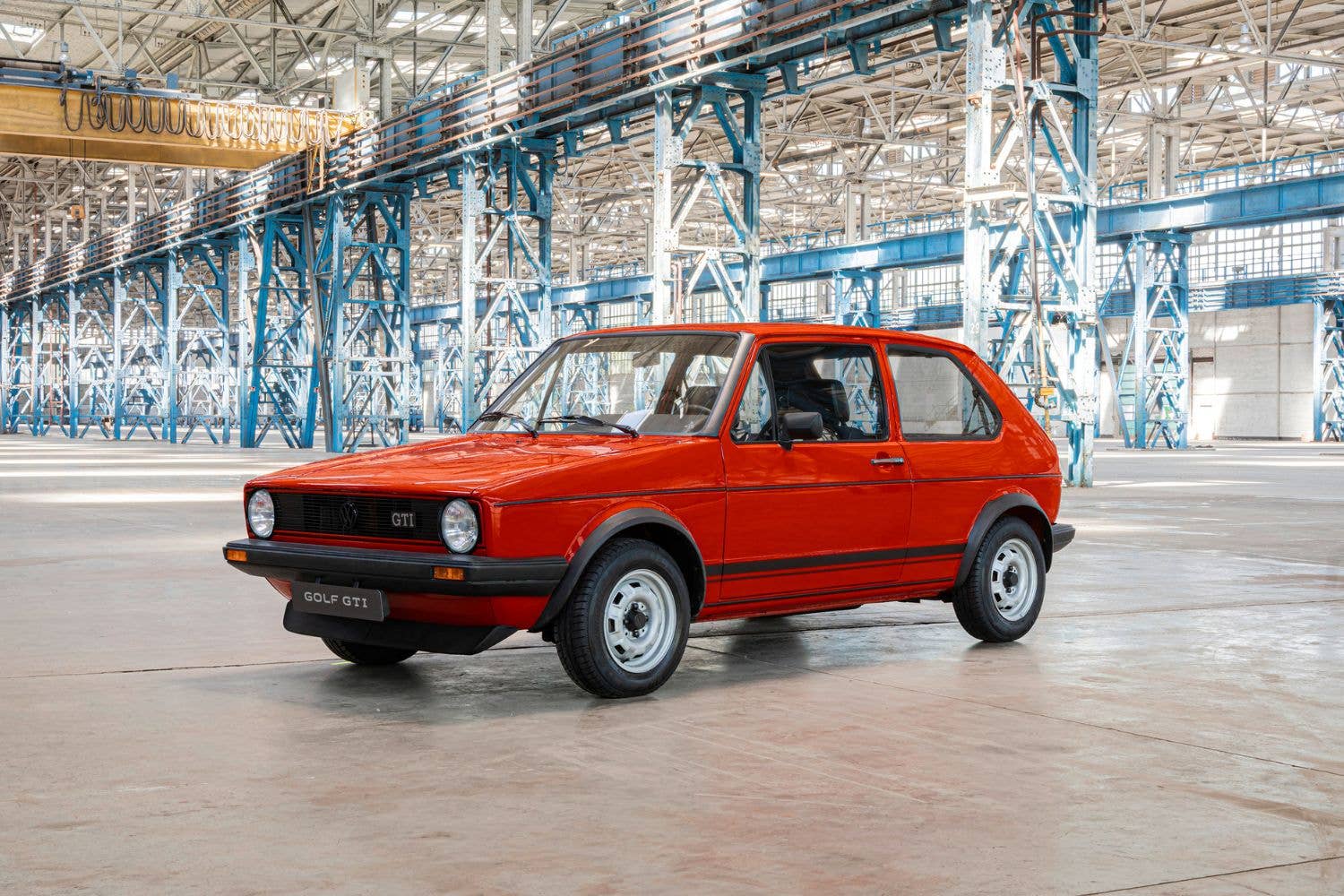
MK. I: The Stepping Stone
Volkswagen wasn't exactly inclined to do anything remotely sporty in the '70s. It was a transitional time for the brand, and it was in serious trouble in the first part of the decade. Its air-cooled models weren't selling, and the NSU-based K70 fell flat in the market. Thankfully, the Golf came out in '74 to turn things around and marked a new chapter for the company.
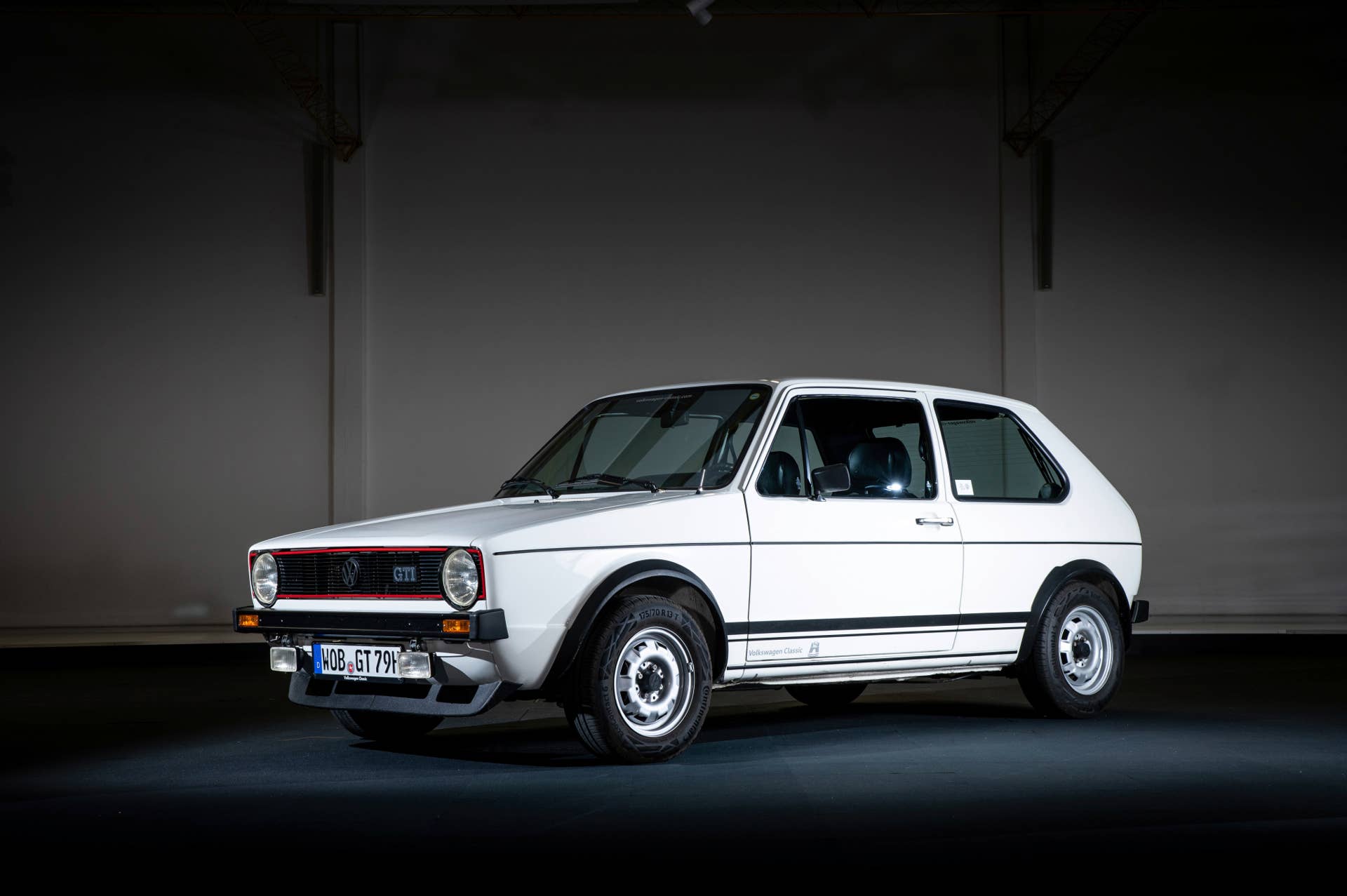
Inevitably, the idea of a performance-oriented model came about, but management was having none of it. A sporty Beetle dubbed the Gelb-Schwarzer Renner (Yellow-Black Racer) was met with backlash from the German parliament and branded as an invitation to speed...which is ironic for a country that has the Autobahn. Still, a skunkworks team was assembled that involved smuggling parts to make the project work.
After working in secret, the team eventually presented it to the board in 1975 and, presumably, was approved begrudgingly. The result was the Golf GTI that came with a 1.6-liter fuel-injected engine that made 108 hp and 103 lb-ft, a stiffened-up chassis, and an interior decor that would define the car from that moment on. Management reckoned they'd be lucky to sell 5,000 GTIs, but the total tally by '83 was 461,690 units. It eventually came to America as the Rabbit GTI in '83 and sported a bigger 1.8-liter engine.
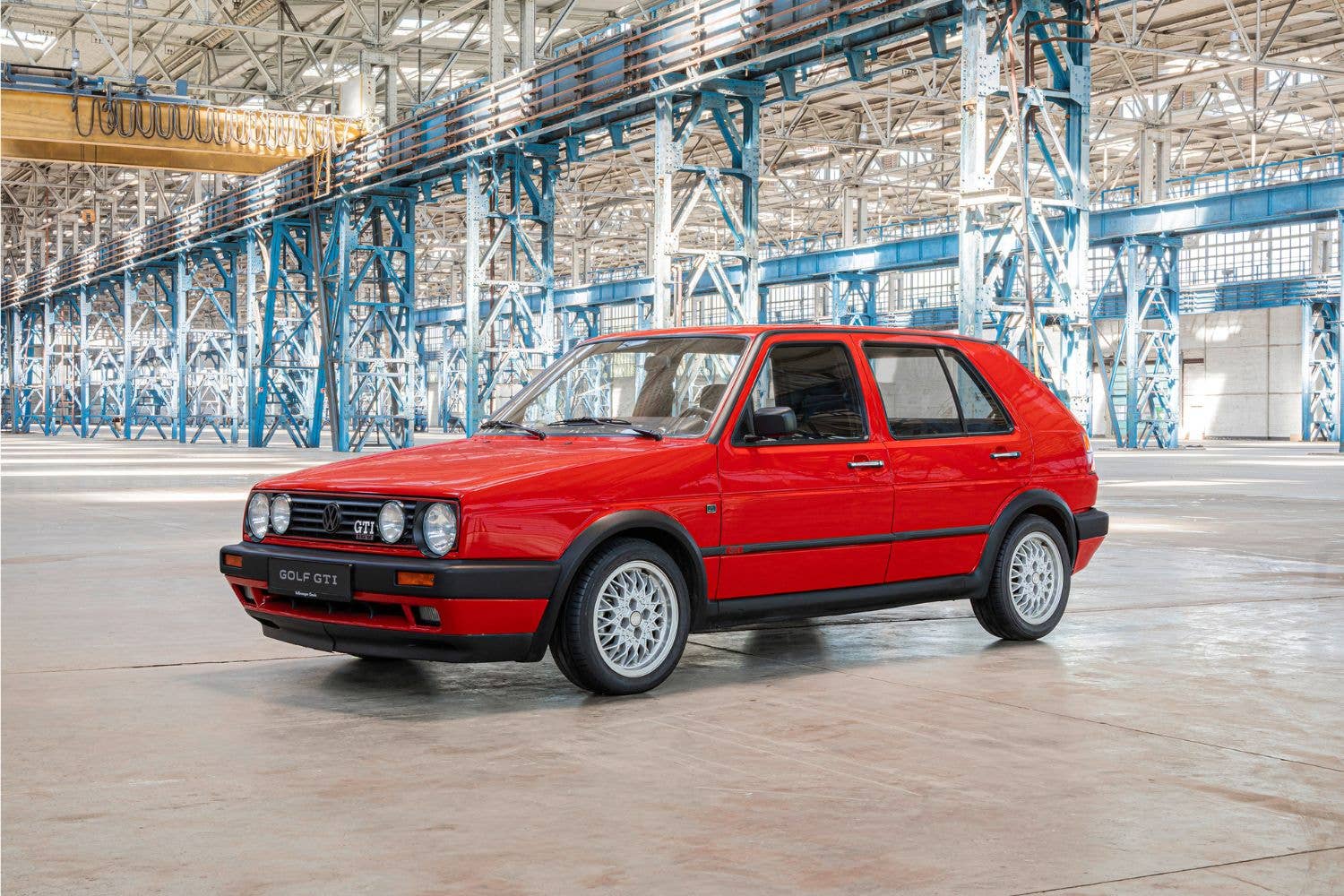
MK. II: European Yuppie's Delight
The MK. 1 GTI had proven its point to VW's board by selling 92.3 times better than the initial forecast. With that, the second-generation GTI evolved into a slightly more mature version of its predecessor. At first, it carried over the same engine from the MK. 1, but eventually gained 16 valves to bump up the power to 137 hp and 124 lb-ft. That said, the American versions made less due to emissions regulations.
By this time, competition had started to sprout up. Over in Europe, there was the Ford Escort XR3 (later, XR3i), Peugeot 205 GTI, and Opel Kadett GSi. Meanwhile, America responded with the Dodge Omni GLH and GLH-S, while Japan's answer was the Toyota Corolla FX-16. There were scores of other hatchbacks that wore GTI badges in the '80s, but it was the Golf that reigned supreme.
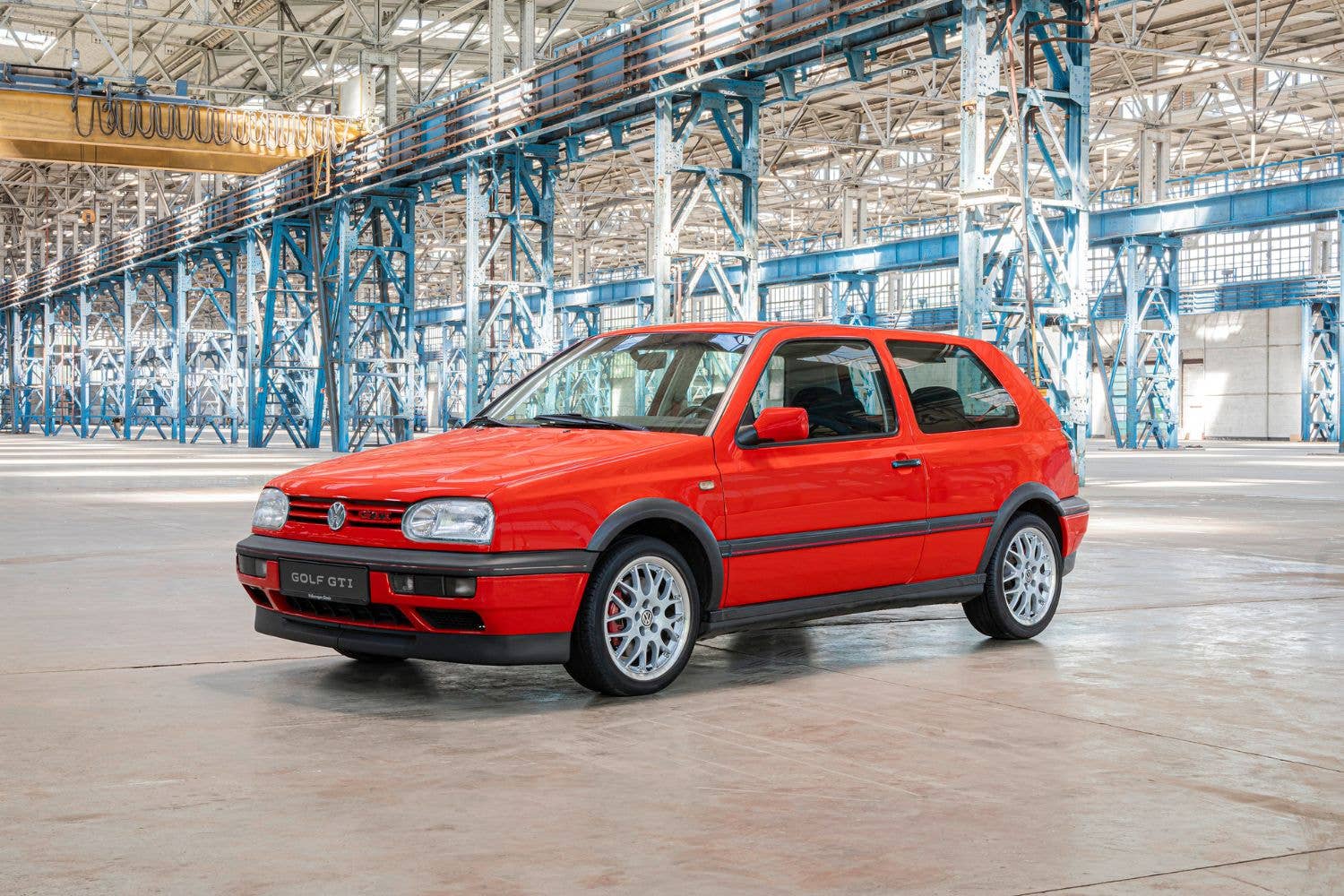
MK. III: The Difficult Third Album
Often regarded as the softest of GTIs, the MK. III had a bit of a roller-coaster ride throughout its production. For starters, it was saddled with 2a .0-liter engine that barely made more power over its predecessor (113 hp), but was thankfully rectified with the 16-valve model to give it about 150 hp.
However, the hot hatch horsepower arms race was heating up. As a response to that, the GTI VR6 was born, shoving in a 2.8-liter VR6 engine under the hood. The two extra cylinders gave a healthy power bump to 172 horsepower and 173 lb-ft of torque.
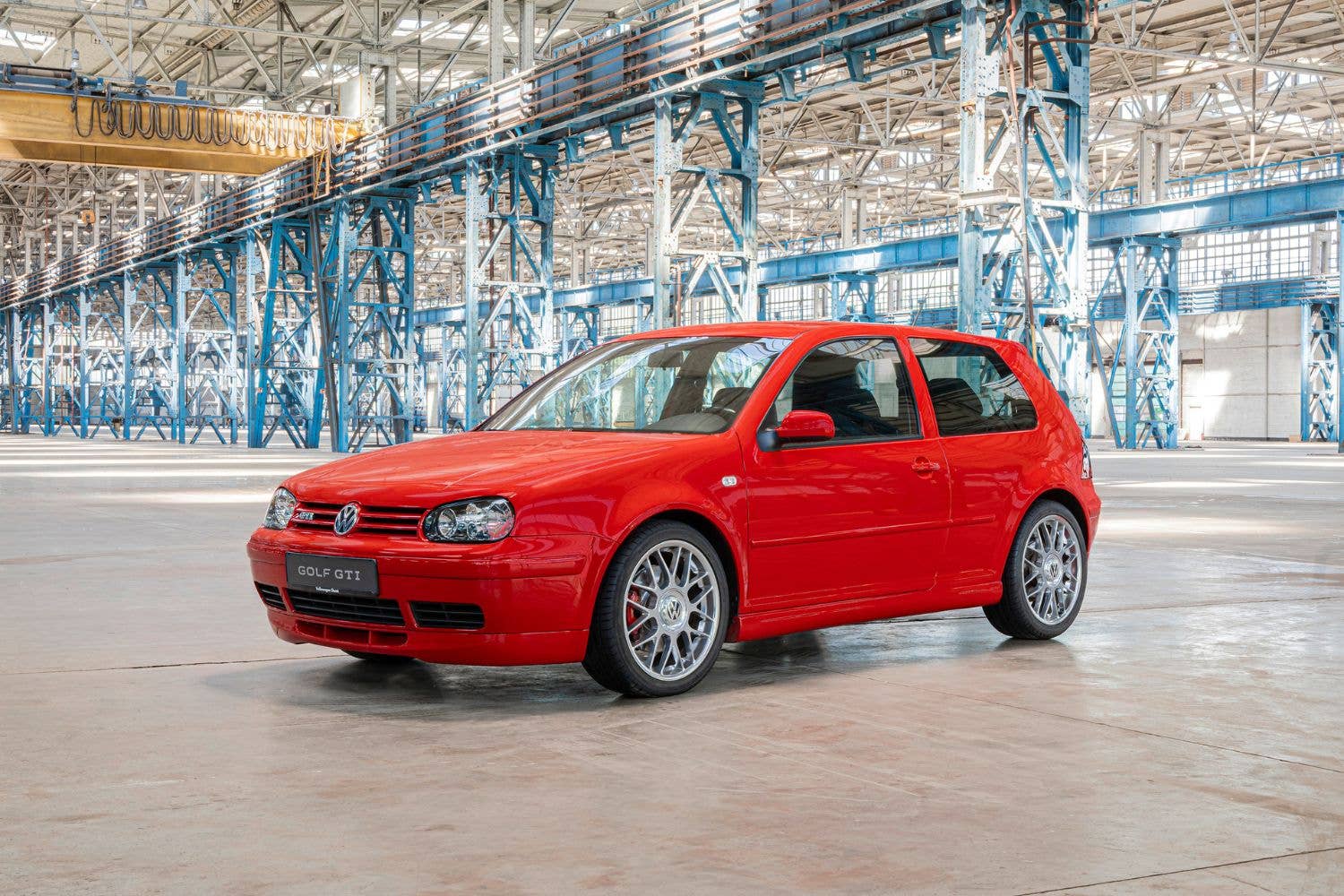
MK. IV: The Underrated GTI?
Under the watchful eye of Ferdinand Piëch, the MK. IV Golf is probably one of the most solidly-engineered VW products of all time, particularly the European versions. However, this era of the GTI model was more warm than hot. Sure, the car felt great with junior Audi levels of build and refinement, but its performance was a mere half-step over its predecessor.
It was, however, the first turbocharged GTI with its 1.8-liter turbo making 150 hp at first, and 180 hp later on. Sure, the car felt great with junior Audi levels of build and refinement, but its performance was a mere half-step over its predecessor. However, the performance side of the MK. IV vindicated itself with the R32 with its 3.2-liter, 238 hp V6 coupled to a Haldex all-wheel drive system.
MK. V: GTI'm Back
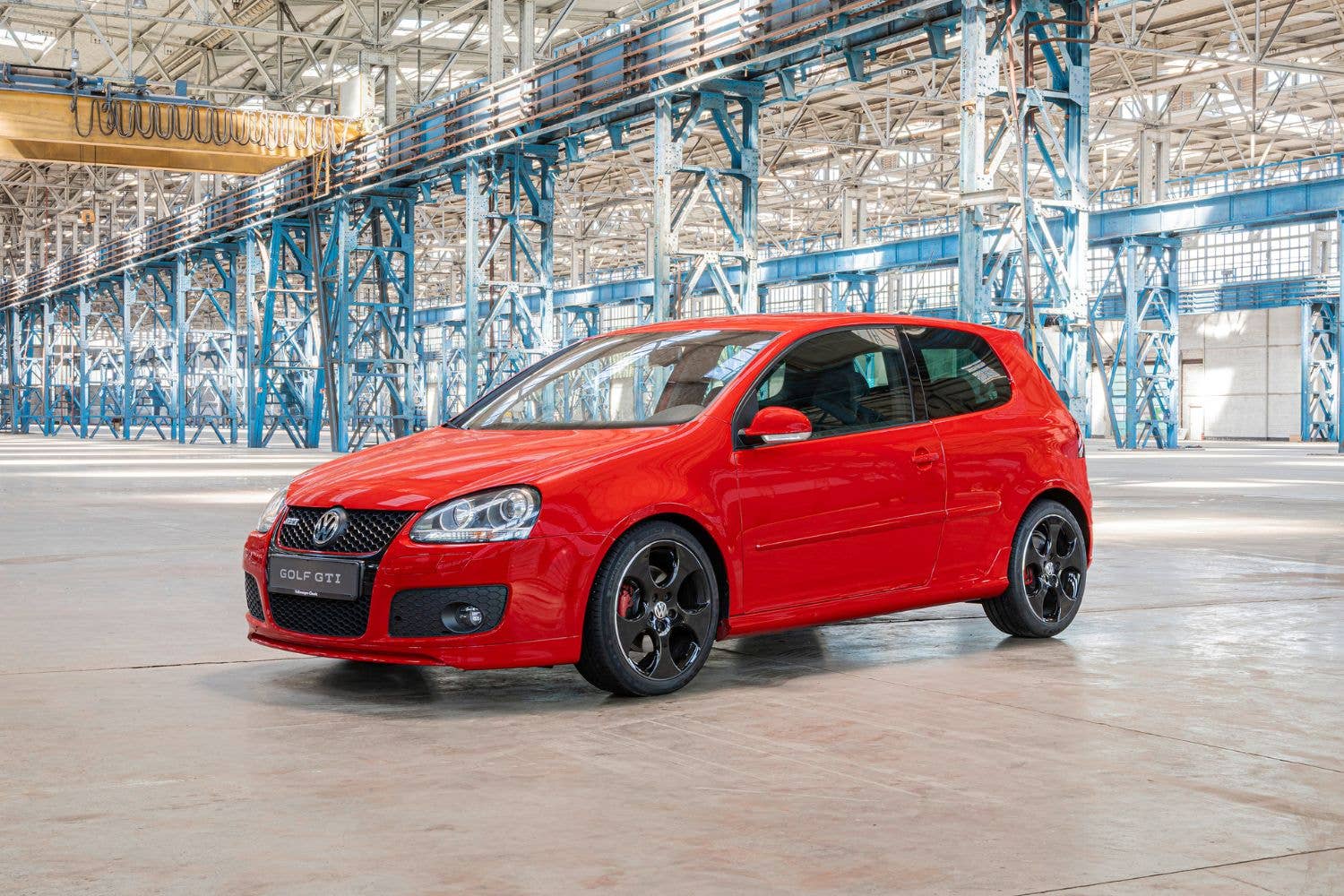
Perhaps stung by the criticisms from the past two generations, the Golf GTI came back with a vengeance for its fifth iteration. This time around, the 2.0-liter engine returned, but now turbocharged and made 197 hp. But its most important upgrade came in the form of independent rear suspension. Not only did it finally have the power, but it also had the chassis to match it.
The MK. V would also mark the beginning of Volkswagen's fondness for giving the GTI multiple special editions that added more horsepower and sharper dynamics. One such example was the Pirelli Edition that cranked up the numbers to 230 hp, 33 hp more than standard. But regardless of what version is chosen, the MK. V set the foundations for the modern GTI.
MK. VI: An Evolution of the Theme
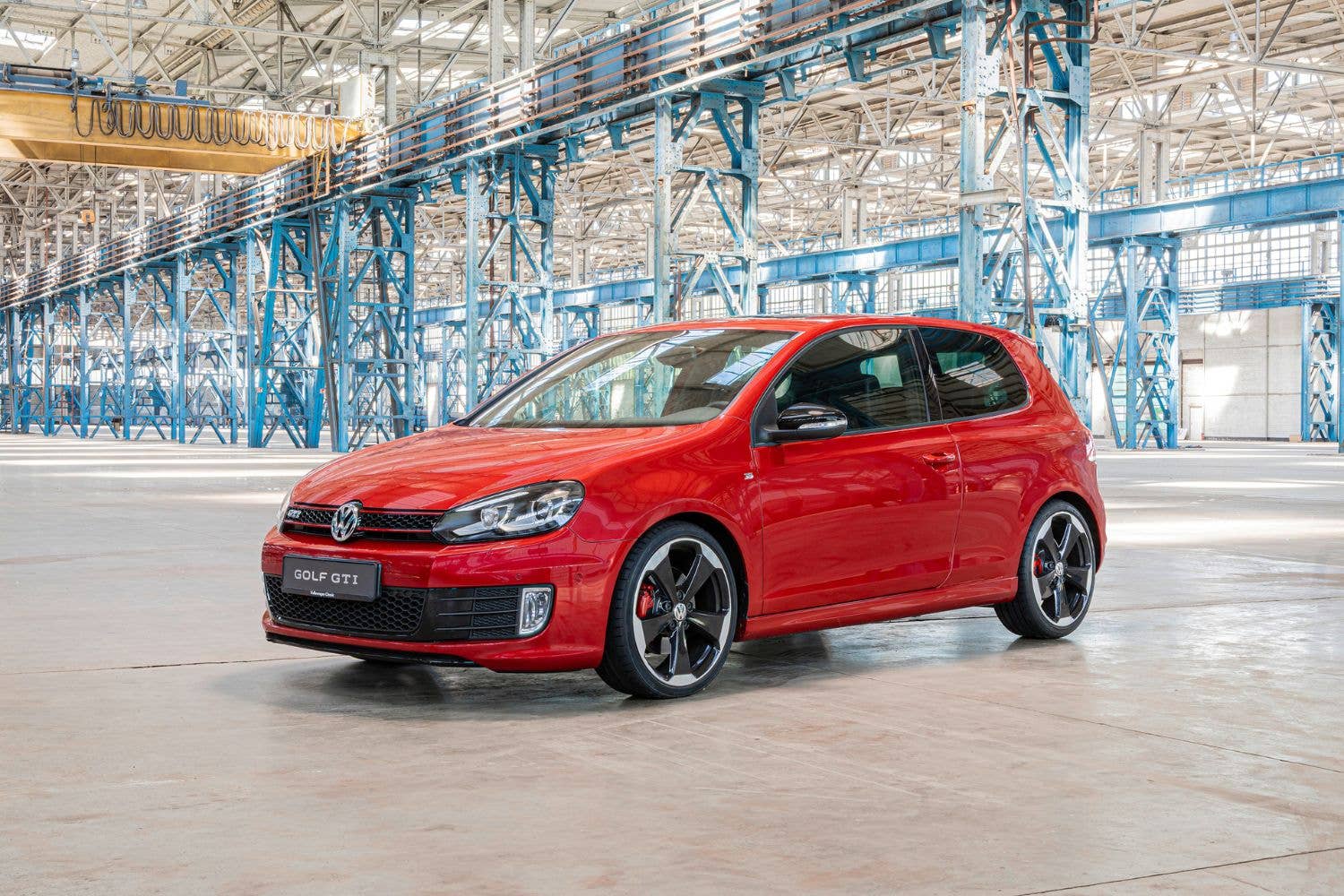
We're not going to overcomplicate things here. The MK. VI Golf was essentially a reskin of the MK. V, and the same applied to the GTI models. That said, it's a gentle evolution that's a step in the right direction. After all, it was built on the strong foundations of the model that came before it.
This time around, there were tweaks to the chassis, a more upmarket interior, and yes, more horsepower. From 197 hp, the 2.0-liter turbo has been gently massaged to 207 hp, and the later 35th Anniversary Edition squeezed another 25 hp from the same block to give it 232 hp.
MK. VII: Peak Golf, Peak GTI?
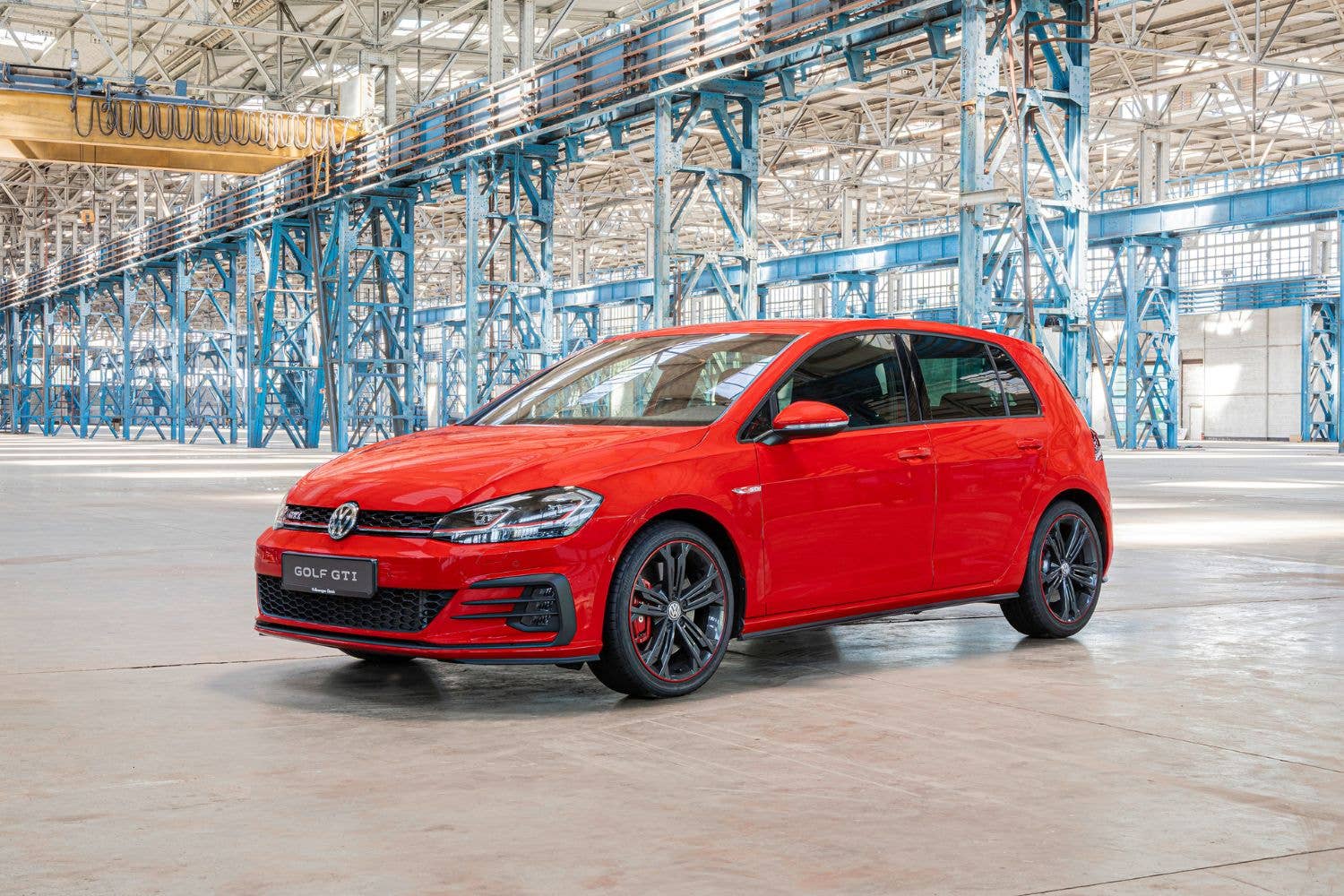
Is this the best modern GTI? Fans seem to think so. We can't blame them for putting this model near (or at) the top when asked to rank every generation of VW's hot hatch. If anything, it further reinforced the GTI's 'one-car solution' ethos by being comfortable and sensible when you need it, while being fun and engaging when you want it. Riding on the new MQB chassis helped, too, along with incremental increases in horsepower throughout its production.
For the MK. VII, it's as if Volkswagen summoned the spirit of the MK. IV in terms of build and its feeling of robustness. At the same time, it avoided all the pitfalls of the MK. IV GTI when it moved upmarket by being quick, dynamic, and sharp. It's still powered by the now-familiar 2.0 TSI engine, with power starting at 217 hp for the early models, 227 for later ones, and 242 hp for the facelifted GTI Performance versions. Special models were available outside the US, namely the TCR, Clubsport, and the ultra-rare Clubsport S, which made over 300 hp.
MK. VIII: And Here We Are Now
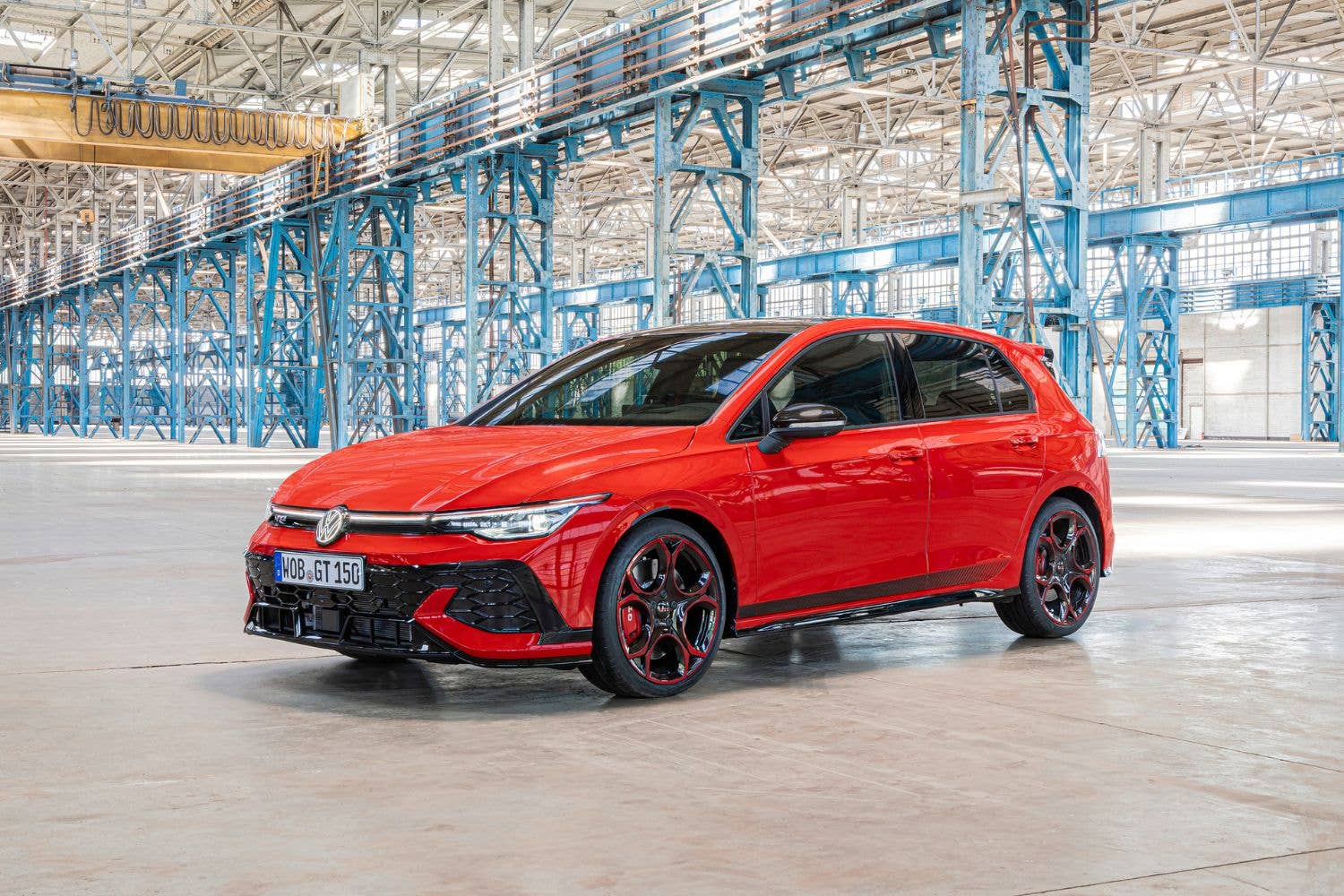
Not only is the current model the most powerful one to date in standard guise, but it's also the most loaded with tech. Alongside its boosted 2.0-liter engine with 241 hp (the Euro-spec gets 261 hp. Boo.) is a barrage of advanced driver assists, AI-powered tech, and creature comforts that wouldn't look out of place in a 2010s luxury sedan. The car still retains its all-aroundness, and the updates introduced for the 2025 model year were mostly welcome.
Sadly, the MK. VIII is the last GTI to be offered with a manual, as the facelift models are no longer offered with it. Also, the stylish (but slow-selling) three-door body style is no longer being offered, starting with this generation. Still, at least it hasn't lost its sense of fun, and VW is celebrating its golden anniversary in a big way to prove that the GTI is here to stay.
The GTI Edition 50 was revealed a few months back, and customer deliveries will begin in 2026. At the same time, the company will be holding several gatherings all over Europe to celebrate its hot hatch. There's more good news, too, as the company has confirmed that the GTI will still be gas-fed well into the 2030s.
Long live the hot hatch, we say, and VW has been instrumental in keeping it going.


There are no reviews to display.