


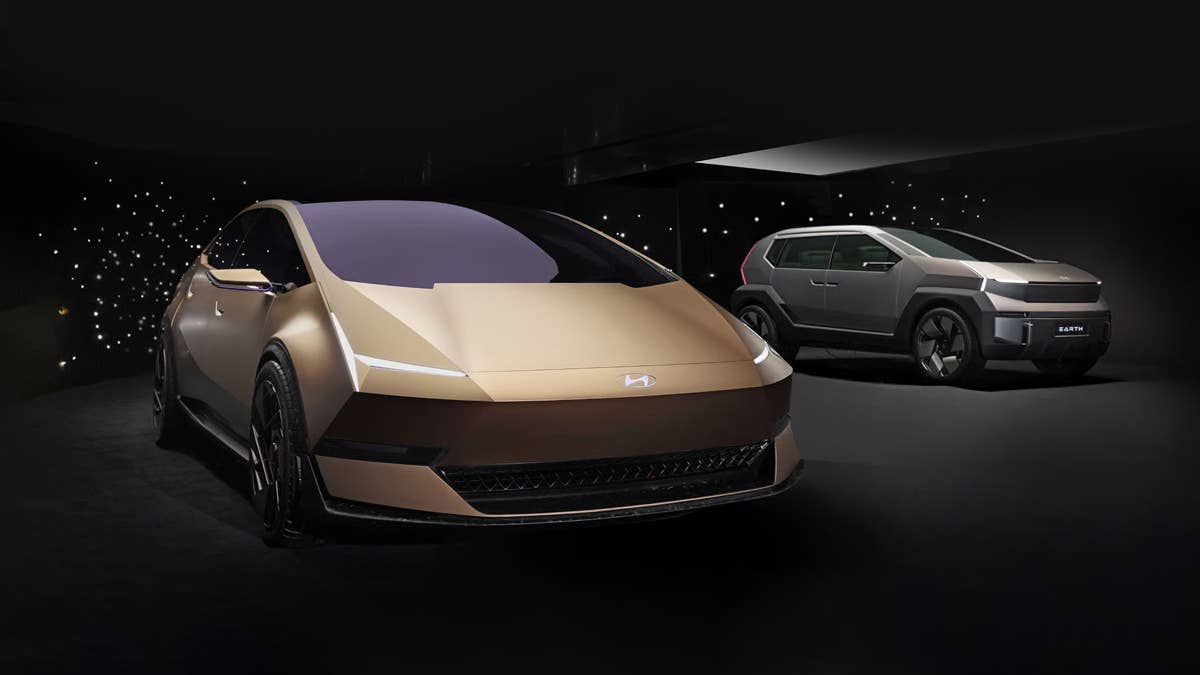
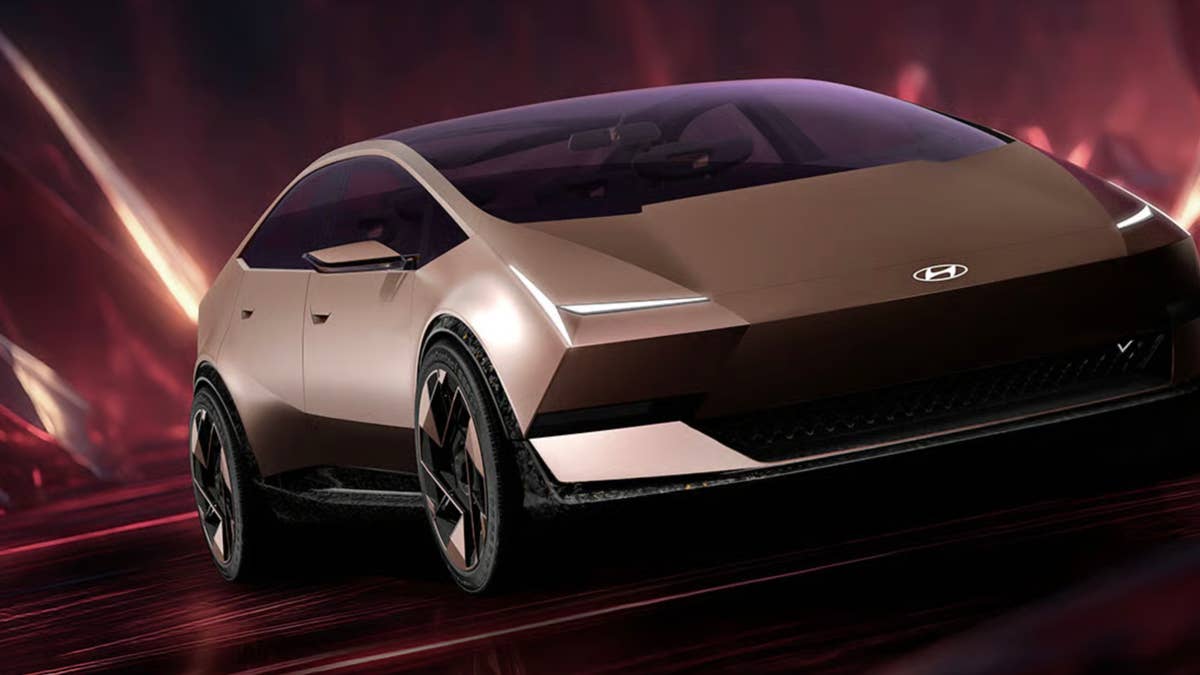
At the Beijing Auto Show this week, Hyundai pulled the wraps off the Ioniq V, a China-exclusive all-electric liftback built in partnership with Chinese autonomous driving developer Momenta. But the car itself is almost secondary to what it represents. As part of a broader transformation, Hyundai plans to introduce 20 new models in China over the next five years, describing it as its most ambitious product expansion in the market to date.
The rollout will cover the full spectrum of electrified powertrains, from battery electric vehicles and extended-range electric vehicles across midsize to large segments. The target is clear. Hyundai wants to sell around 500,000 cars a year in China by the end of the decade, which would roughly double China's current contribution to its global sales. China accounts for more EV sales than the rest of the world combined, making it the single most important battleground for any automaker. For Hyundai, China will become a proving ground for the software, battery tech, and design language that will inevitably filter into its US lineup.
Hyundai
A Decade of Decline That Made This Necessary
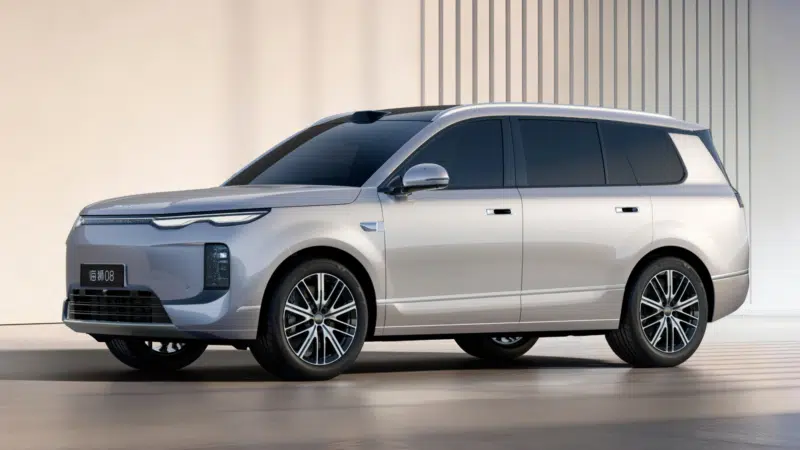
Hyundai's China story over the past ten years is a cautionary tale about how quickly a strong market position can unravel. China once accounted for about 25 percent of Hyundai and Kia's combined global sales in 2016. That figure has since cratered to around 3 percent, with market share slipping from nearly 10 percent to just 1.6 percent. The trouble started with geopolitical friction and deepened as Chinese domestic brands accelerated their EV pivot, while foreign automakers were slowed by pandemic factory shutdowns. China has rapidly transitioned away from internal combustion engines, and brands like BYD have captured precisely the buyers that Hyundai once relied on. Slow localization and a late EV response left Hyundai exposed. The 20-model offensive, including plug-in hybrids to appeal to younger buyers, is an attempt to fix that.
BYD
The Design Language That Could Influence Your Next Hyundai EV
To that end, Hyundai has developed a China-specific design direction it calls Origin. It's a sharp departure from the retro aesthetic of its global Ioniq lineup. Hyundai's head designer Simon Loasby described the approach as being something entirely new, aiming for a powerful road presence and immediate visual impact. While the ‘Origin’ design language is China-specific for now, Hyundai has a history of letting regional experiments influence global styling. If it resonates, elements of this sharper, more aggressive aesthetic could find their way into future US-market EVs.
Hyundai
Diving deeper, partnerships with firms like Momenta aren’t just about Chinese consumers. They give Hyundai access to a faster-moving software stack that could shape future driver-assistance systems across markets. Ultimately, if Hyundai cannot compete on cost and scale in China, it becomes harder to subsidize aggressive pricing in the United States, where EV adoption is still price-sensitive.


There are no reviews to display.