


A Palisade Engine Under the Knife
Before the Hyundai Palisade transitioned to Smartstream engines, the midsize crossover relied on the Lambda V6, which is generally considered reliable. However, some owners have reported oil-related issues, which may help explain how this particular 3.8-liter Lambda V6 failed and required replacement in a 2020 Palisade with roughly 92,000 miles.
From the factory, the V6 in the Hyundai Palisade – as well as the Kia Telluride – produced 291 horsepower and 262 lb-ft of torque. It used timing chains, which are typically designed to last the life of the engine, along with GDi (gasoline direct injection) rather than port fuel injection. Eric from I Do Cars tore the power unit down to see what actually failed inside.
Carbon, Carbon Everywhere
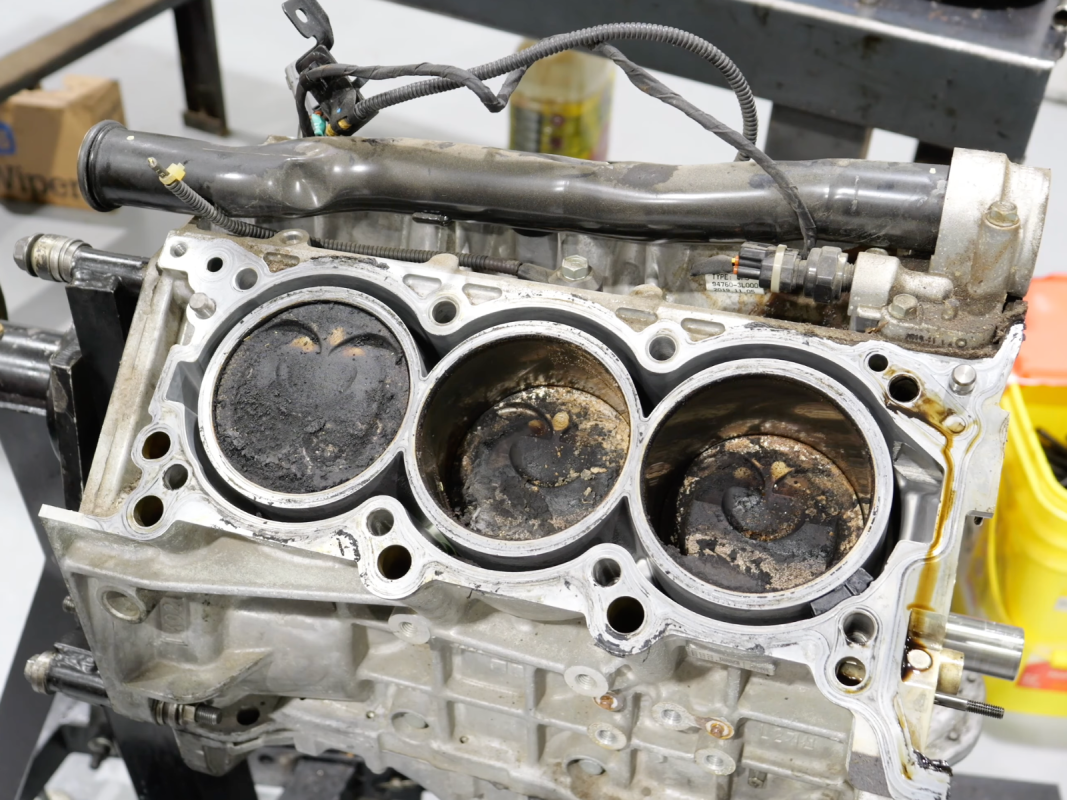
The spark plugs, valvetrain, and timing system did not show significant wear. However, due to the use of GDi, a substantial carbon buildup was present on the intake ports. This is a common drawback of direct injection, as fuel is injected directly into the cylinders to improve performance rather than passing through the intake ports and helping keep them clean. If left unserviced, carbon buildup can restrict airflow and disrupt optimal combustion.
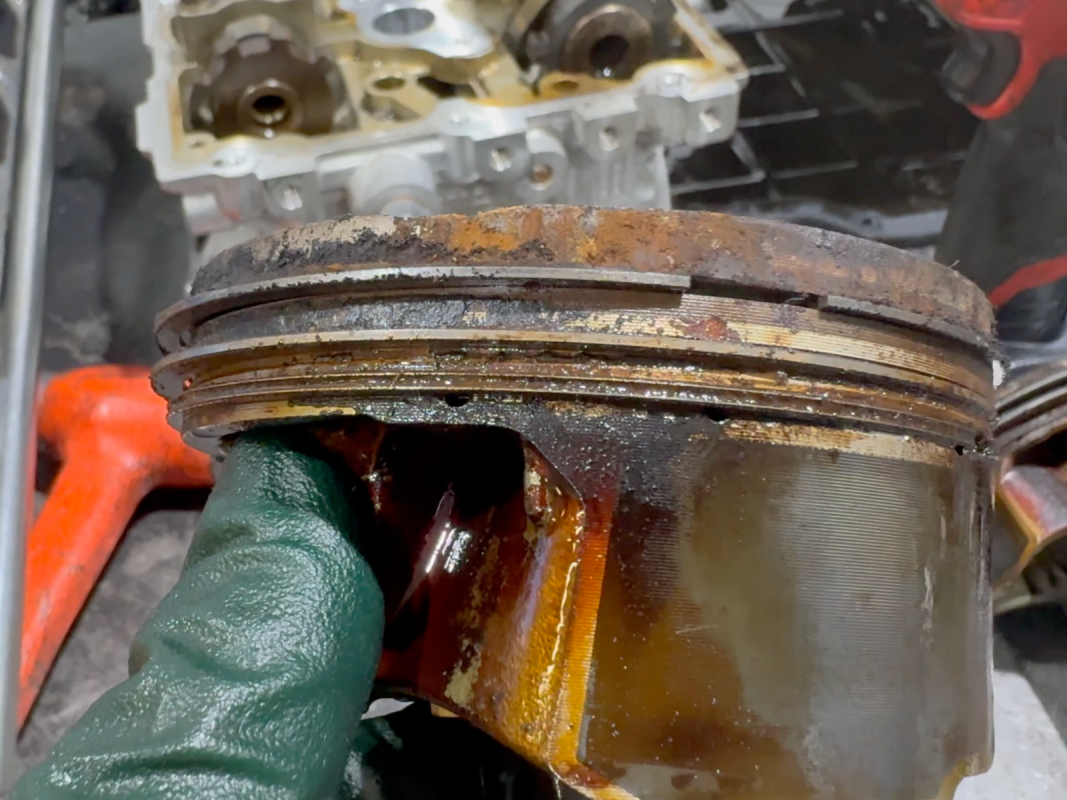
But what Eric ultimately determined was oil starvation as the cause of the damage. The rod bearings showed significant wear and flaking, indicating metal-to-metal contact consistent with insufficient lubrication. The engine also showed carbon and rust on the piston crowns, suggesting the engine may have been exposed to moisture after removal.
Lessons From a Failed V6
Without proper oil servicing, even the most reliable engines will inevitably fail, as oil lubricates moving parts and helps reduce operating temperatures. Another issue the mechanic noted was that the owner may have driven the Hyundai gently and primarily on short trips, likely preventing carbon deposits that clog the oil control rings from burning off. The teardown pointed to maintenance and usage patterns rather than a design flaw.
There wasn’t extensive damage visible on the components, unlike the Ford Triton V10 he tore down previously. He typically sells these engines as part of his full-service auto dismantling business.
Today, the 2026 Palisade is offered with a 3.5-liter Smartstream V6 producing 287 horsepower, along with a hybridized 2.5-liter turbocharged inline-four that delivers a combined output of 329 horsepower. No widespread issues have been reported with either powertrain so far, though earlier model years are currently affected by a large recall related to defective third-row airbags.


There are no reviews to display.