


Safety Tech Under Scrutiny
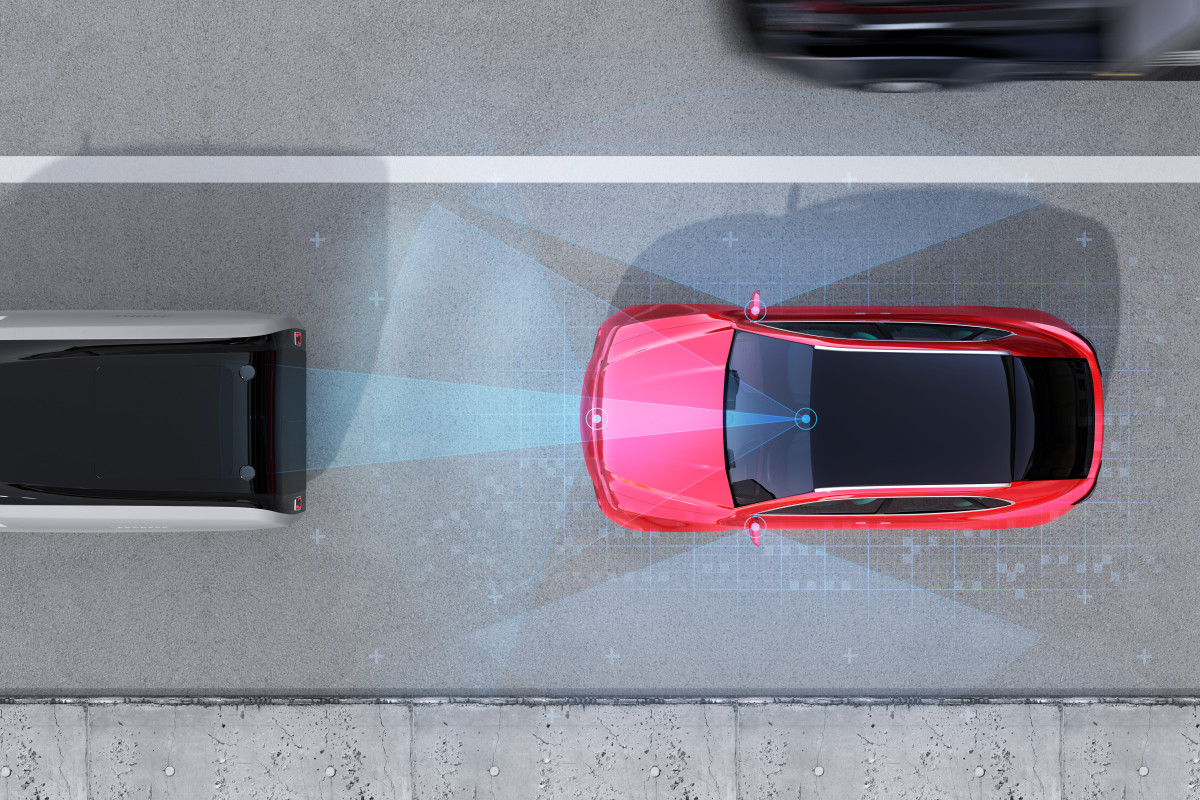
Hyundai is known for vehicles with the most safety and driver-assist features – often as standard - while other brands keep them locked behind pricier trims. Automatic emergency braking is one of those headline features, meant to spot cars, people, or cyclists ahead and hit the brakes if the driver doesn’t react quickly enough.
For the 2025 Tucson, this tech comes bundled as Forward Collision-Avoidance Assist, complete with pedestrian, cyclist, and even junction-turning detection. It’s supposed to be your backup plan – the system that only steps in when a crash is about to happen. However, that same feature is now at the heart of a class-action lawsuit, with owners saying it sometimes slams on the brakes for no good reason.
The lawsuit, filed in California, comes from a Tucson owner who says his SUV has repeatedly braked hard out of nowhere. The complaint doesn’t spell out every incident, but it claims Hyundai pushed this tech to market too quickly and cut corners with cheaper radar and sensors.
What the Lawsuit Alleges
The lawsuit says the real problem is the system kicking in when the road ahead is clear, causing the Hyundai Tucson to slow down suddenly and putting drivers at risk of being rear-ended. It also points out that the barrage of warning lights and sounds can be just as distracting, even if the brakes don’t fully grab.
Hyundai’s owner’s manual is cited extensively. It lists numerous scenarios where Forward Collision-Avoidance Assist may not operate properly or may operate unexpectedly, ranging from lighting reflections on wet roads to tunnels, construction zones, unusual vehicle shapes, and extreme temperatures around the camera or radar.
The lawsuit argues that these disclaimers show Hyundai knew about the system’s weak spots from day one. It also says the company’s language glosses over how serious sudden braking can be, especially at highway speeds, and doesn’t spell out what 'unexpected operation' really means for drivers.
Certainly Not an Isolated Case
Outside the legal filings, Tucson owners are sharing similar stories online. In one Reddit thread, a driver of a 2025 Tucson describes the collision system bringing the SUV to a full stop, even though they were following at a safe distance. Both times, there was another car right behind – turning what should have been a safety feature into a near-miss. That owner also points out that you can only turn the system off temporarily – it comes back every time you restart the car.
The thread also shows similar complaints from other Tucson owners, which means this isn’t an isolated case. For Tucson owners dealing with this, the worry isn’t just about annoying alerts – it’s about whether a safety feature could actually cause the kind of accident it’s supposed to prevent.


There are no reviews to display.