




The Robot That Accidentally Solved a Car Problem
Ask any engineer, and they'll tell you there's no perfect suspension system. Every setup is a compromise depending on usage – too soft and the vehicle wallows; too stiff and it beats up the occupants. Sure, fully active adaptive suspension exists in high-end nameplates, but it still has limitations (read: off-road).
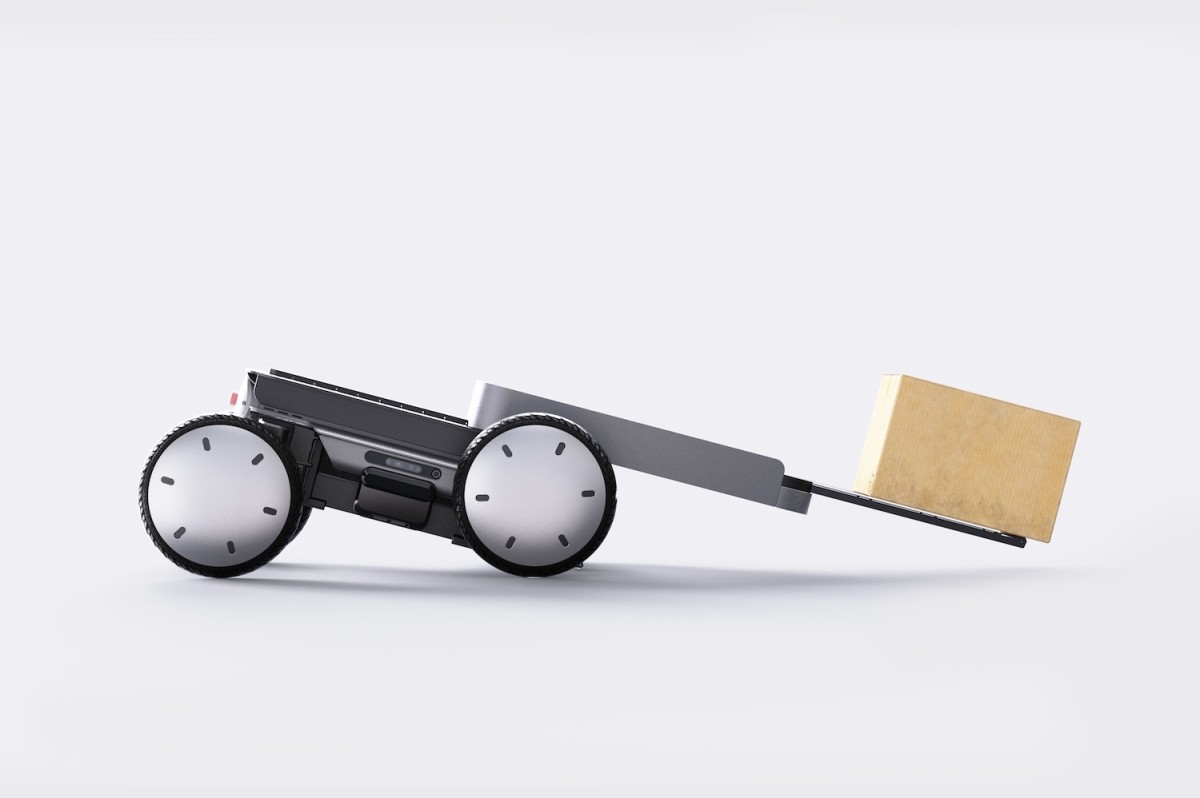
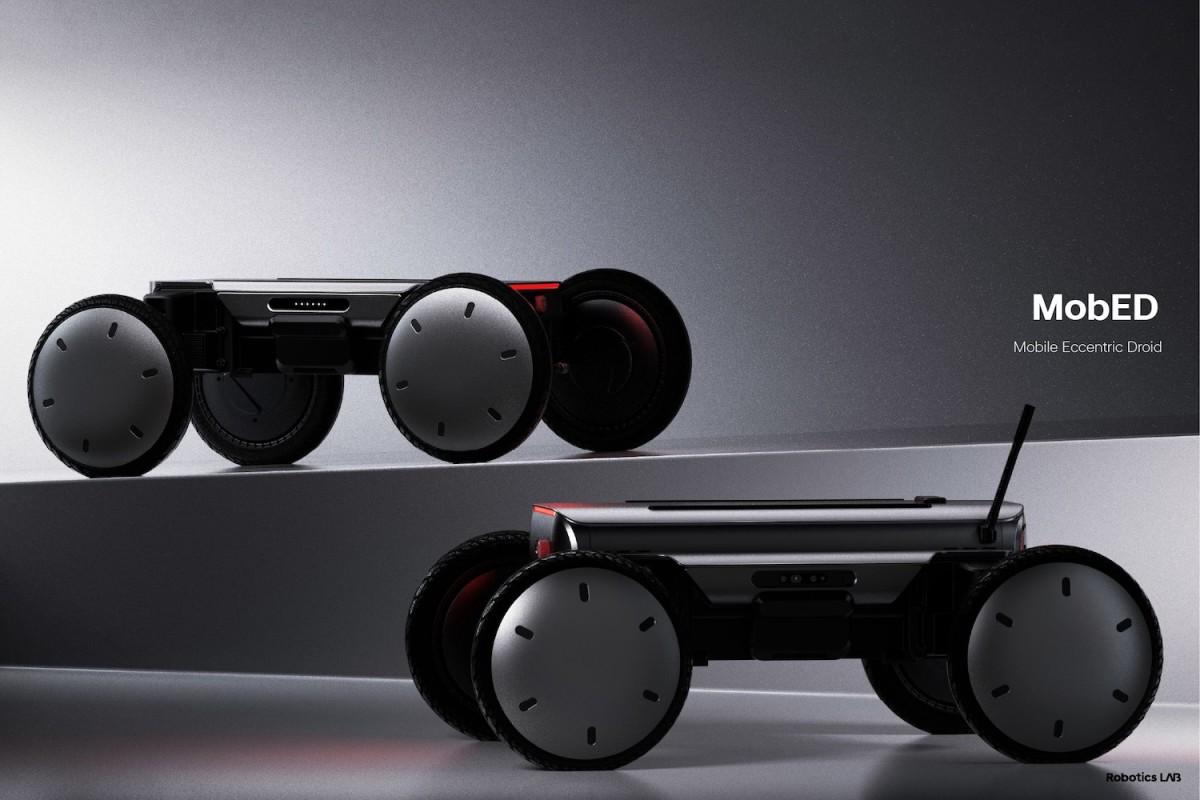
Hyundai may not have set out to break this rule, but its latest creation comes surprisingly close. The Mobile Eccentric Droid, or MobED, started life as a 2021 concept and has now evolved into Hyundai Motor Group Robotics LAB's first production-ready mobility robot platform.
MobED's purpose isn't automotive at all. It's designed as a versatile industrial and everyday tool, capable of autonomous navigation, handling deliveries, carrying equipment, and supporting research or service applications. It blends precision engineering with modular adaptability, and Hyundai positions it as a platform that can work in almost any environment – indoors, outdoors, smooth floors, rough terrain, or tight industrial lanes. The fact that it looks like a rolling testbed for the next suspension revolution is a bonus Hyundai may have unintentionally created.
The Wheel System That Makes Everything Possible
The secret is in MobED's wheel and Drive-and-Lift modules, each with fully independent power, steering, and posture-control hardware. Every wheel can raise, lower, tilt, or stabilize itself through an eccentric drive mechanism, letting the platform stay level even when the ground isn't. In practice, it acts like a suspension system that never stops adjusting – like a fully active adaptive suspension but on steroids.
Even better, MobED can widen its wheelbase for maximum stability or retract as needed for tighter environments. The independence of each wheel means, in theory, this system could be tuned for performance, comfort, or both – something car suspensions rarely manage at the same time. If this technology ever reaches a passenger vehicle, it could redefine on-road smoothness and off-road confidence.
As we see it, the biggest hurdles to putting this system into a production vehicle are weight and costs, but those are problems this journalist won't dare solve.
Hyundai
MobED Hitting the Market Next Year
Hyundai is already playing with a related idea. A separate development – a four-wheel-steer system capable of sliding a car sideways – shows how independent wheel control can transform parallel parking. It's essentially a real-world crab-walk demonstration, and it's proof that Hyundai is exploring applications beyond robotics.
But back to MobED – the platform runs on a 1.47-kWh battery pack, provides more than four hours of operation, and supports manual or autonomous charging. Both the MobED Pro and MobED Basic will be commercially available starting in the first half of 2026.
Now all that's left is for Hyundai to bring this "suspension" philosophy to an actual vehicle, like maybe the production derivative of the Crater Concept. We're waiting, Hyundai.
Hyundai


There are no reviews to display.