




Shoppers shift toward the cheapest versions
Sticker shock has become a defining part of the new-car buying experience. With the average transaction price for a new vehicle hitting $50,080 in September, many Americans are simply priced out of the mid- and high-tier trims that automakers love to spotlight. Instead, a growing number are gravitating toward the least expensive versions on the lot, and few brands illustrate this shift more clearly than Ford.
The company says interest in base trims surged across its lineup last month. Combined sales of three of its most affordable configurations—the Maverick XL, Ranger XL, and Bronco Sport Big Bend—jumped 26.4% year-over-year. That momentum isn’t a one-month anomaly either. Ford reports that year-to-date sales for these trims are up 12.7%, suggesting that buyers have been adjusting to their new financial reality for a while.
Ford’s budget-friendly trucks lead the way
Ford’s popular small pickup, the Maverick, shows just how powerful the affordability shift has become. Overall, Maverick sales climbed 43.3% in November, but the real growth came from the no-frills XL trim. Sales of that entry-level model jumped a staggering 76.2%, helping the compact truck set a new annual sales record with a full month still left in the year.
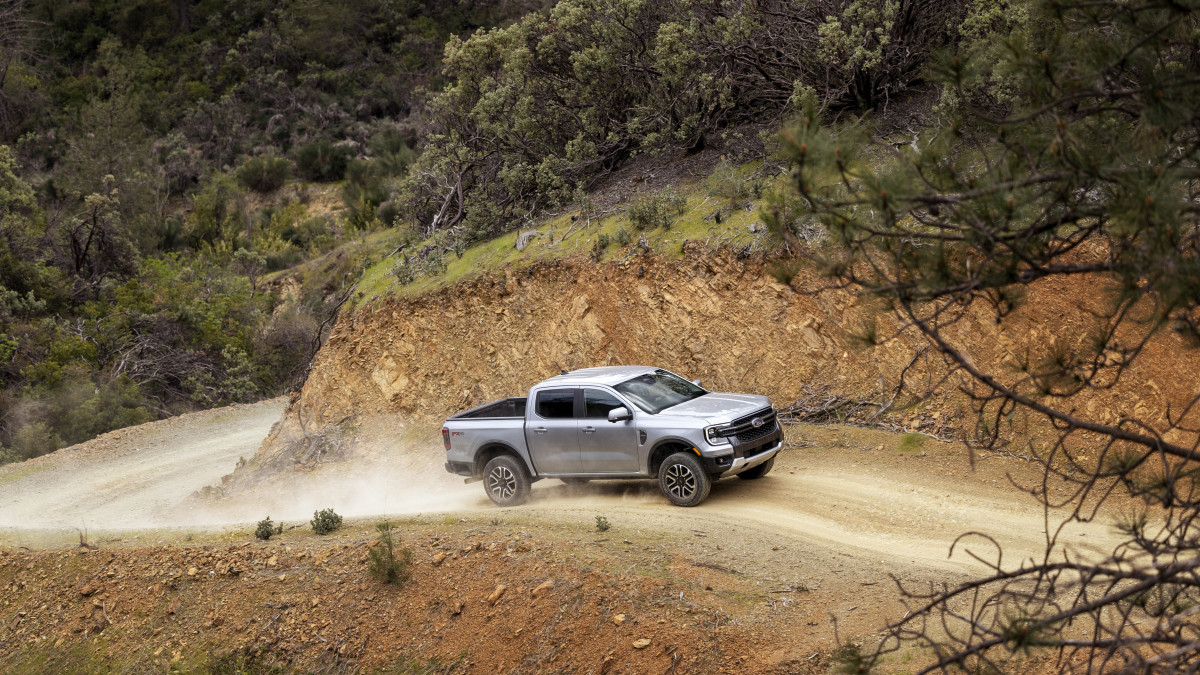
It’s a similar story for the Ranger. Sales of the midsize pickup climbed 35.8%, bolstered by a 48% spike in demand for the base XL version. For shoppers who want a truck without paying luxury-car prices, the cheapest Ranger is becoming an increasingly compelling alternative.
Ford’s SUVs are seeing the same trend. The Explorer posted its best November since 2018, with more than 20,000 units sold—a 41.5% increase. The entry-level Active trim drove much of that success, soaring 60.7% from a year earlier. Even the mid-tier ST-Line saw big gains, proving that shoppers aren’t just avoiding the top trims—they’re clustering around the lower end of the lineup.
Price fatigue and the EV slowdown reshape the market
Ford credits part of its recent resilience to staying focused on affordability. While its overall November sales dipped slightly—down 0.9%—the broader U.S. auto market fell an average of 7%. In the process, Ford managed to grow its market share by half a percentage point.
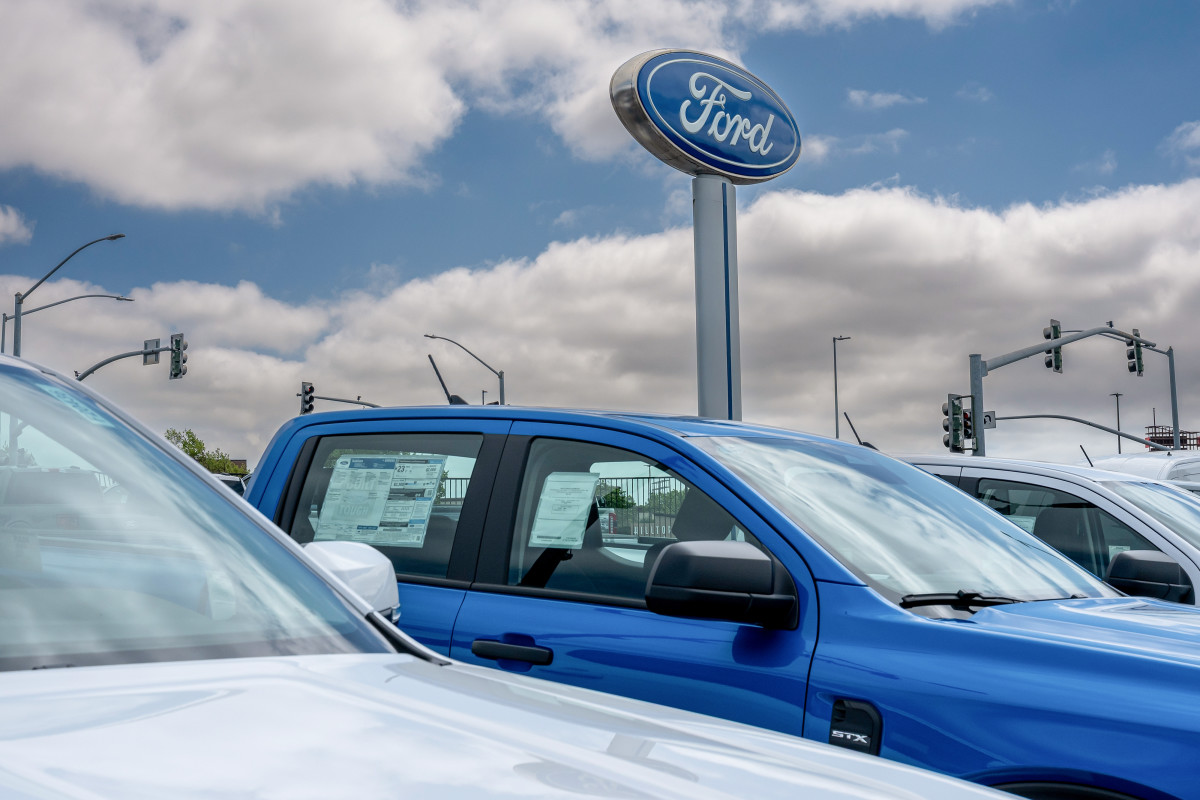
Some of this shift comes from “price fatigue,” a phrase automakers are now using openly as many buyers balk at paying more than ever for new vehicles. The cooling of electric vehicle demand following the expiration of federal tax credits has played a role, too. With fewer incentives available, some buyers who might have considered an EV are instead opting for a cheaper gas model.
Even affordable models aren’t immune to inflation
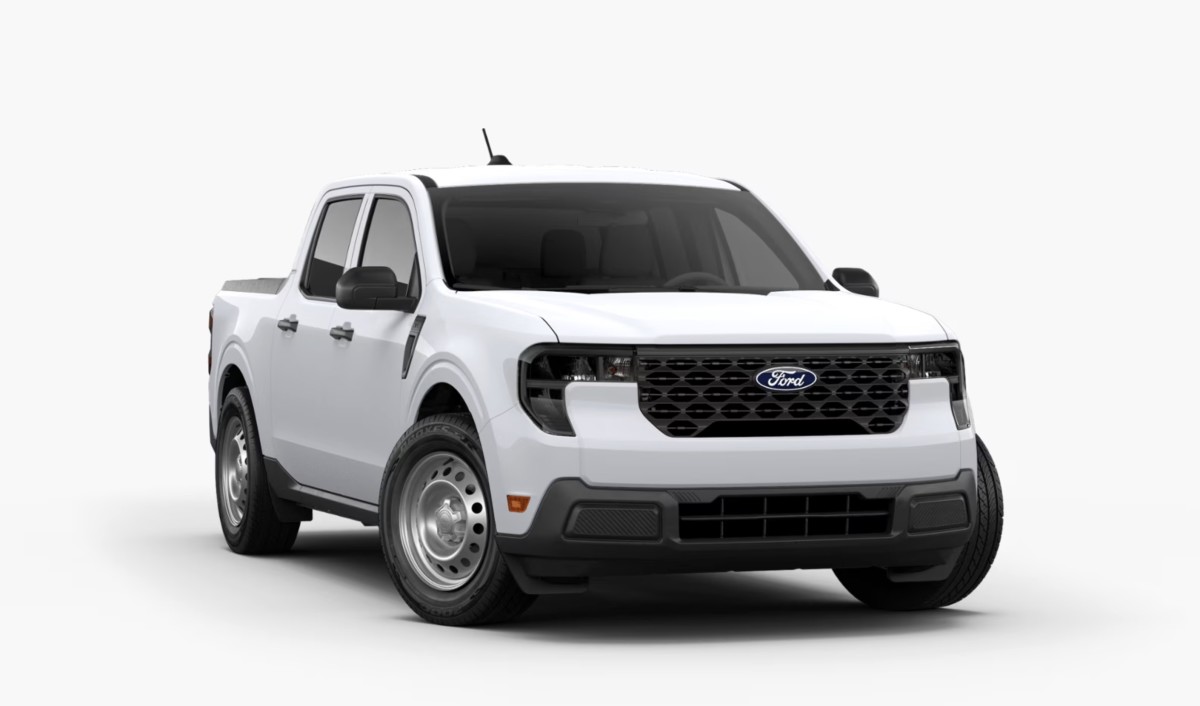
The turn toward entry-level trims doesn’t mean these vehicles are truly inexpensive—just inexpensive relative to everything else. Take the Maverick again. When it launched for the 2021 model year, it carried a headline-grabbing starting price of $19,995 before destination.
Ford
Today, that same truck begins at $27,145 before fees. That’s a $7,350 jump in a little over four years. Still, the Maverick remains America’s most affordable pickup, and with prices rising everywhere, that seems to be enough to keep demand climbing.
Final thoughts
As long as inflation remains sticky and buyers continue feeling squeezed, expect the surge in base-trim shopping to stick around. Automakers may love selling high-margin luxury configurations, but right now, Americans seem far more interested in getting the best deal they can.


There are no reviews to display.