




The Factory Powering Toyota’s American Success
Toyota continues to battle Ford for the top spot on the list of best-selling brands in America, and one factor helping sustain that momentum is its massive manufacturing footprint in Georgetown, Kentucky. Thanks to Car Confections, we get a closer look inside the facility, which plays a central role in producing two of Toyota’s best-selling models in the U.S. – the Camry Hybrid and the RAV4 Hybrid.
Spanning roughly 1,300 acres and encompassing around nine million square feet of plant space, Toyota Motor Manufacturing Kentucky (TMMK) stands as the Japanese marque’s largest factory in the world. Construction on the site began in 1986, and just two years later, the first Camry rolled off the production line. Today, the plant has the capacity to build up to 550,000 vehicles annually, along with more than 600,000 engines.
Foundations of Every Camry and RAV4
The tour begins in the stamping shop, where raw steel is pressed into shape to form the vehicle’s body panels. From there, the panels move to the welding shop, where a combination of skilled team members and industrial robots joins the components together to create the vehicle’s body structure. Sensors are also used throughout the process to ensure consistency and precision during welding.
Car Confections also highlighted one of TMMK’s newest developments: the K-Flex Line. Based on “Line One,” which originally produced the first Camry at the plant, the updated system has been engineered to support multiple vehicle types. The flexible line can accommodate everything from sedans to SUVs, and it has also been designed with future battery-electric vehicles (BEVs) in mind. This aligns with previous reports indicating that the plant will produce the two new three-row electric SUVs. Given their size, these future models are expected to compete with vehicles such as the Hyundai Ioniq 9 and the Rivian R1S.
Smart Tech Behind the Scenes
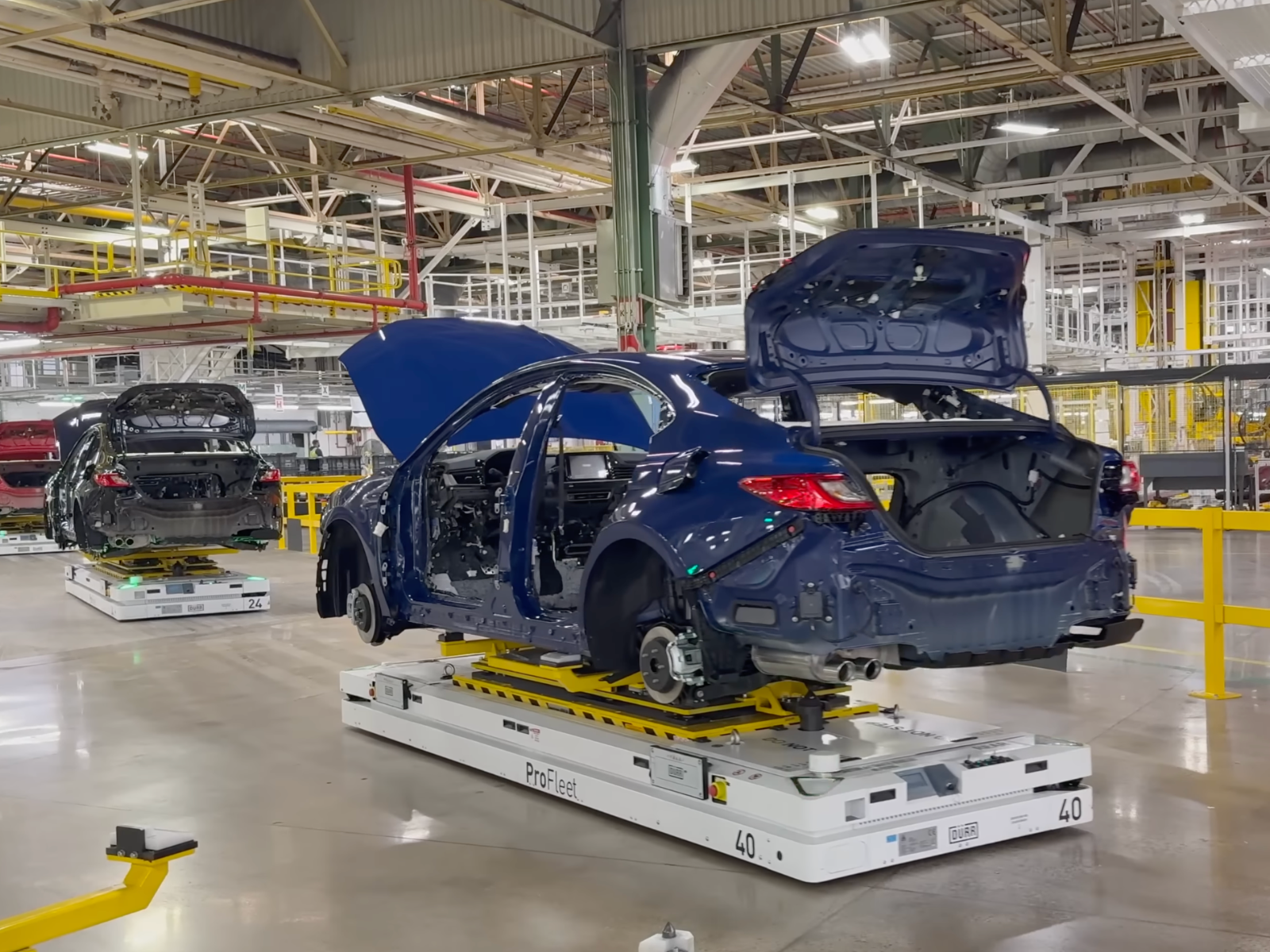
Several other innovations were featured in the tour, including the automated guided vehicles capable of transporting full vehicle bodies and engines throughout the plant via a Wi-Fi-based system. Toyota also highlighted its use of internal data platforms to monitor activity at each workstation, while artificial intelligence is employed to analyze the movement of team members and help develop workflows that are both safer and more efficient.
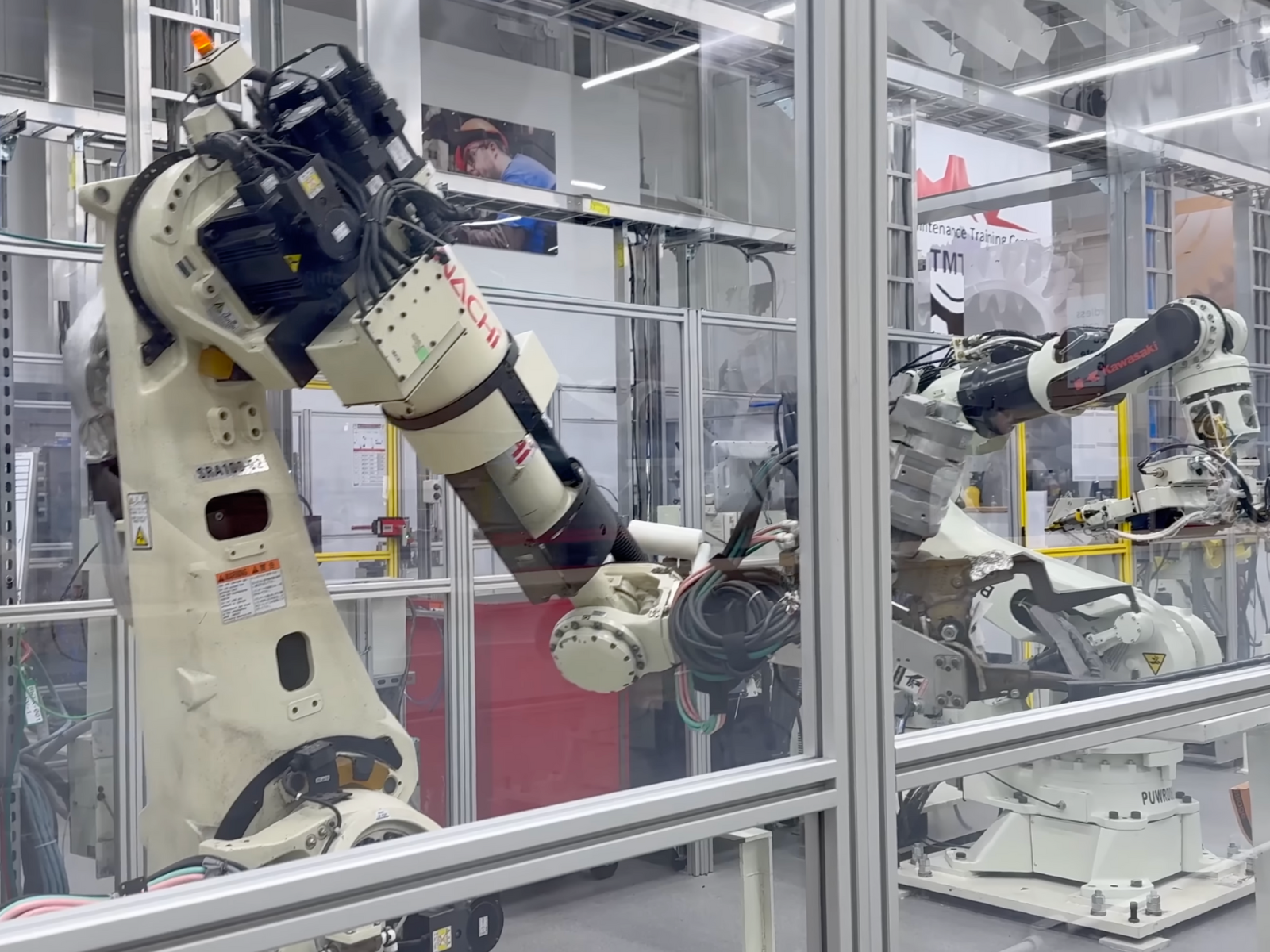
The plant further supports innovation through its on-site Production Engineering and Manufacturing Center (PEMC), where engineers test, refine, and develop new manufacturing technologies before being deployed across the production network.
Looking ahead, Toyota plans to reintroduce the Camry to its home market of Japan, with units sourced directly from TMMK. The midsize sedan will be one of three U.S.-built models heading to the Land of the Rising Sun, alongside the Highlander and the Tundra.


There are no reviews to display.