




The Most Extreme Defender That Money Can’t (Yet) Buy
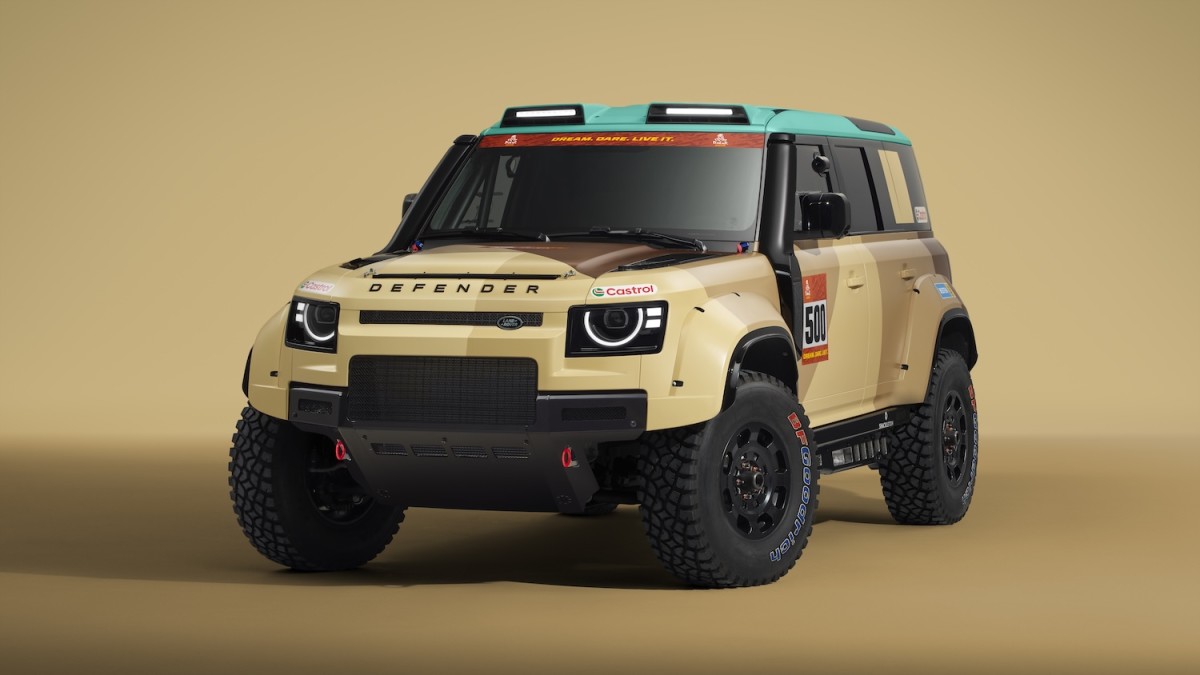
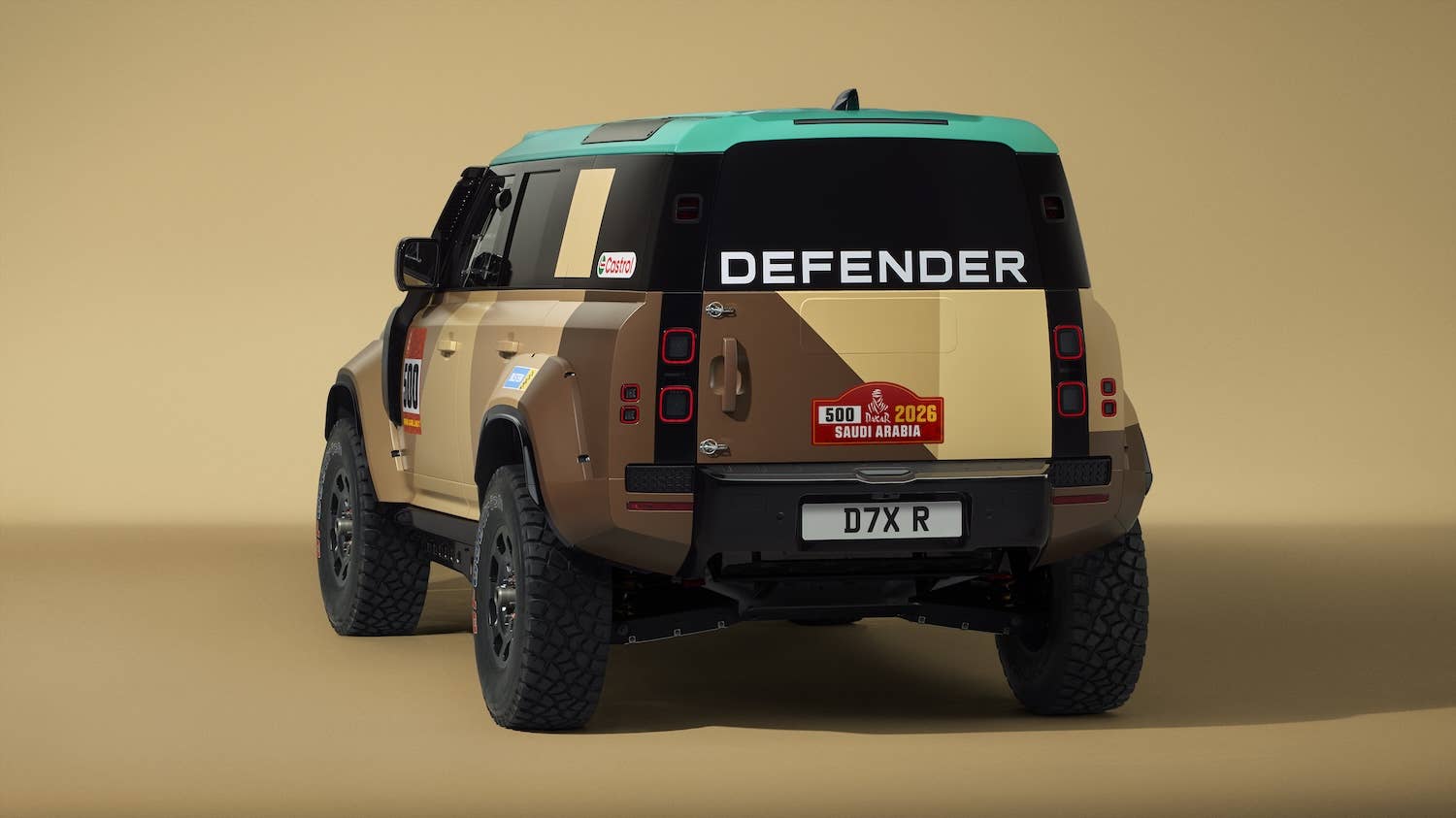
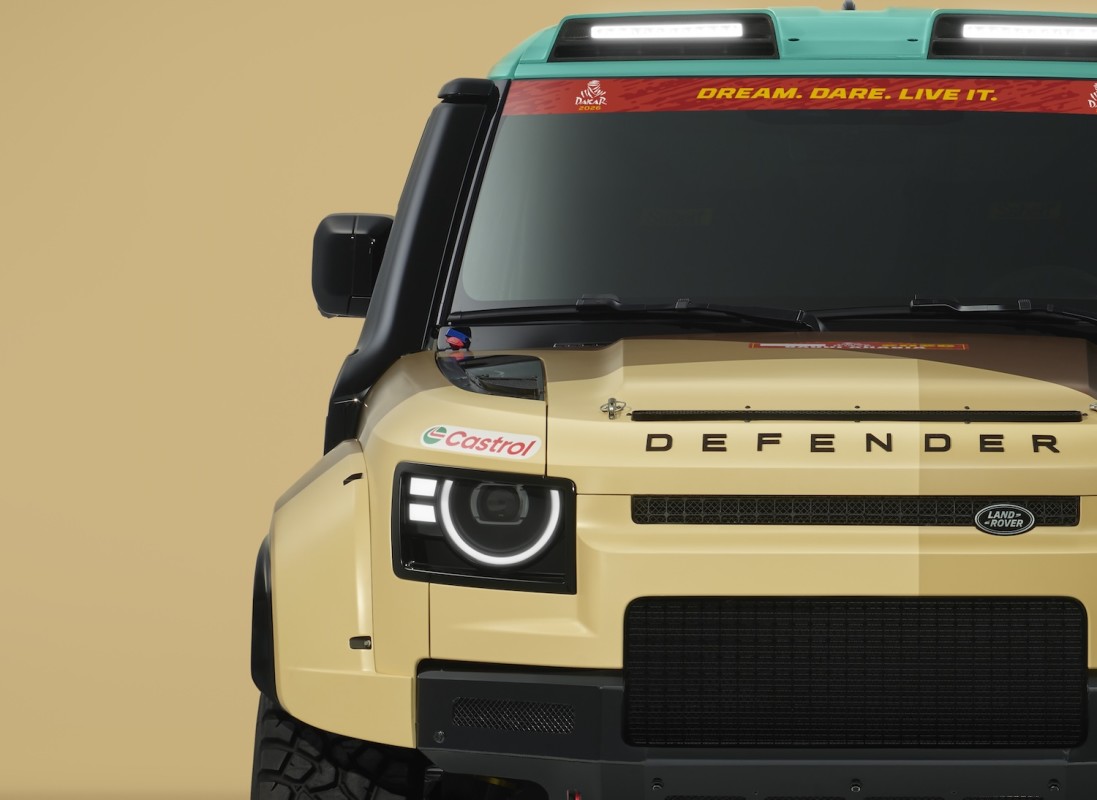
Land Rover is back at the Dakar Rally with a machine that doesn’t hold back: the Defender Dakar D7X-R. Built for the new Stock category, this is the most extreme Defender yet – and you can’t buy one, at least not now. It’s a pure competition car, stripped of comfort and loaded for one thing: surviving the toughest terrain Dakar can throw at it.
One of the standout features is Flight Mode. Switch it on, and all the driver aids step aside, letting the Defender run with almost no electronic help – exactly what Dakar demands. This isn’t a car built for the daily commute or the school run. It’s all about the rally. And yes, plenty of people already want one. Land Rover sees the demand, and while it won’t be easy, the company's looking at how to make that interest count.
Land Rover
From Works Racer to Customer Dream
According to an interview with Defender Managing Director Mark Cameron by PistonHeads, Land Rover’s Dakar involvement is not just about chasing trophies. The brand worked with the FIA and ASO to reshape the Stock category specifically so it could race something that still looks and feels like a Defender. That authenticity matters, especially when thinking about customers.
Cameron knows there’s real demand for customer cars and hints at a possible path – maybe even a Road to Dakar program for private teams with deep pockets. But there are roadblocks.
Right now, rules cap the price of customer rally cars at about £300,000 (around $40,000), which isn’t enough for Land Rover to build and support a Dakar-ready Defender. There are also bigger questions about emissions, safety, and whether a production version could ever be road legal.
But the idea isn’t going away. Land Rover has exclusive Dakar branding for the next three years, which only makes a limited-run road car based on the D7X-R more likely. “There are enough customers around the world that want the best example of what you produce, regardless of how much it costs,” Cameron told PistonHeads.
Land Rover
Dakar D7X-R vs Defender OCTA
Beneath the tough exterior, the Defender Dakar D7X-R shares its bones with the Defender OCTA, but that’s where the similarities stop. Both get a twin-turbo 4.4-liter V8 and an eight-speed automatic, but everything else is built for a different world.
Regulations hold the D7X-R to about 390 horsepower, while the OCTA gets 635. Torque stays the same. The rally car uses a shorter final drive and tops out at 106 mph. All the high-tech road systems – like 6D Dynamics suspension, electric steering, and electronic diffs – are gone. Instead, you get mechanical limited-slip differentials, hydraulic steering, and stripped-down electronics built to take Dakar punishment.
The D7X-R stands wider, rolls on 35-inch tires, packs a huge 145-gallon fuel tank, and clears up to 14.6 inches off the ground. The OCTA is still a beast on the road, with more comfort and a wider range of abilities. If Land Rover ever builds a customer D7X-R, it’ll be the top dog – leaner, louder, and much rarer than anything else in the lineup.
Land Rover


There are no reviews to display.