


California's February 2026 Atmospheric River Paralyzes the Golden State
The Golden State is known for its legendary driving roads, from the sun-drenched curves of the Pacific Coast Highway to the sweeping mountain passes of the Sierra Nevada. But this week, California's automotive playground has been shut down completely. A historic atmospheric river is currently battering the West Coast, delivering a one-two punch of catastrophic rain at sea level and up to 16 feet of snow in the high country.
The situation across California is severe, dynamic, and incredibly dangerous for anyone behind the wheel. Here is a breakdown of how this massive weather event is impacting the state's roadways and what drivers need to know.
Whiteouts and Pileups: The Sierra Nevada Shutdown
If you thought your lifted truck or winter-tire-clad SUV was ready for anything, the Sierra Nevada mountains are currently proving otherwise. The high country is experiencing snowfall rates of up to 4 inches per hour, with wind gusts reaching 90 miles per hour. This has created zero-visibility whiteout conditions, bringing major transportation arteries to a grinding halt.
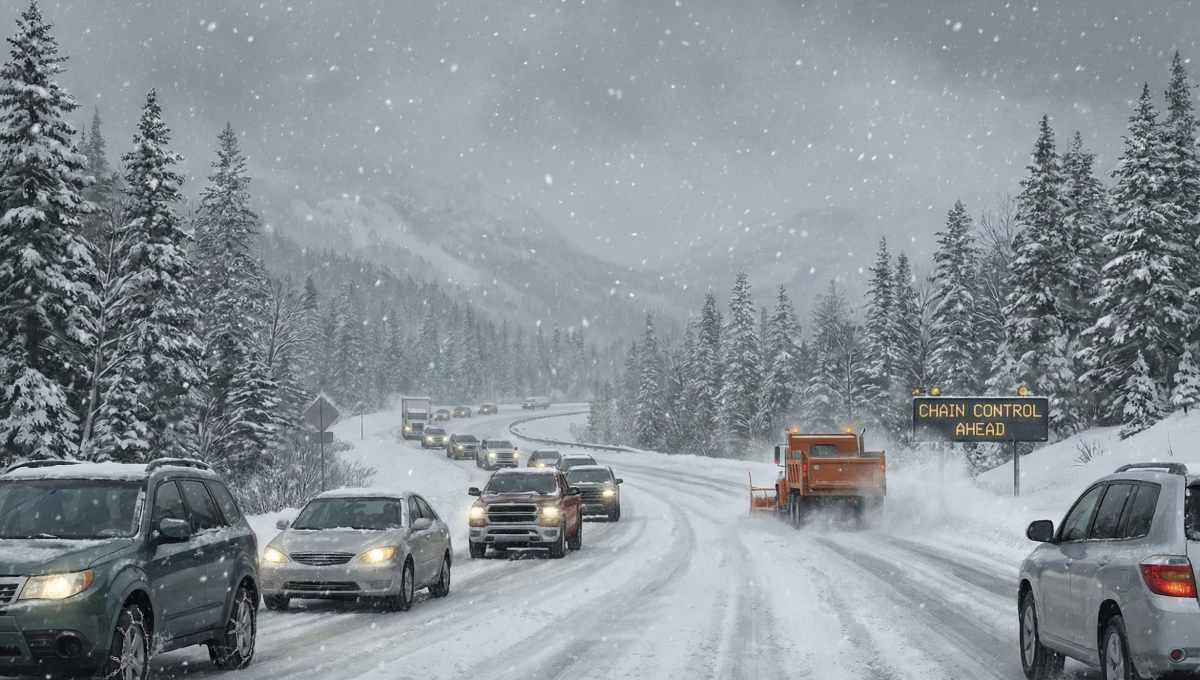
Interstate 80, the vital corridor connecting Northern California to Nevada, saw a massive 60-mile closure earlier this week. Multiple spinouts and pileups involving more than a dozen cars forced the California Highway Patrol to shut down the highway entirely. While I-80 has since reopened, it is operating under maximum chain controls. Caltrans is actively turning commercial trucks around at the Nevada state line, and regular motorists are restricted to 30 mph. Highway 50 is facing similar restrictions, with speeds capped at 25 miles per hour and chains strictly required.
Historic Avalanche Emergency
The sheer volume of snow, falling on an unstable icy base layer, has also triggered a historic avalanche emergency. Tragically, a massive avalanche near Castle Peak on Tuesday claimed the lives of eight backcountry skiers, marking the deadliest avalanche in California history. The instability is so severe that even managed ski resorts like Mammoth Mountain and Palisades Tahoe were forced to temporarily close their base areas to assess the risk of snowslides burying parking lots and access roads. Caltrans has even closed State Route 88 specifically to conduct emergency avalanche control measures, firing explosives into the mountainsides to prevent catastrophic natural slides onto the highway.
Mudslides on the Pacific Coast Highway
Down at sea level, the freezing whiteout conditions of the mountains have been replaced by a relentless deluge of rain. Southern California is bearing the brunt of the moisture, with some coastal and valley areas expected to see up to eight inches of rainfall before the storm finally tapers off. For drivers, this means navigating a maze of urban flooding, washed-out intersections, and the terrifying threat of debris flows.
Highway 1 through Big Sur is arguably one of the most iconic driving routes on the planet. Today, it is impassable. Caltrans has closed a massive 45-mile stretch of the highway from Ragged Point to Big Sur due to severe rockslides and debris completely washing over the asphalt. The coastal cliffs simply cannot absorb the volume of water being dumped upon them.
The canyon roads that carve through the Santa Monica Mountains are facing a similar fate. State Route 27, better known to local drivers as Topanga Canyon Boulevard, is shut down in both directions from the Pacific Coast Highway up to Grand View Drive. Emergency crews have responded to nearly a dozen separate mud and debris slides that have inundated the road.
The danger is magnified in areas scarred by recent wildfires, such as the zones affected by the Palisades and Eaton fires. Without vegetation to hold the soil together, the heavy rain turns the earth into a fast-moving slurry of mud, rocks, and uprooted trees that flows with the consistency of wet concrete. This debris can easily sweep a vehicle off the road or bury it completely in a matter of seconds.
Emergency Preparedness: If You Must Drive
While staying home is the only guaranteed way to stay safe, some drivers may find themselves caught in the storm or forced to evacuate. If you absolutely must navigate these conditions, preparation is non-negotiable.
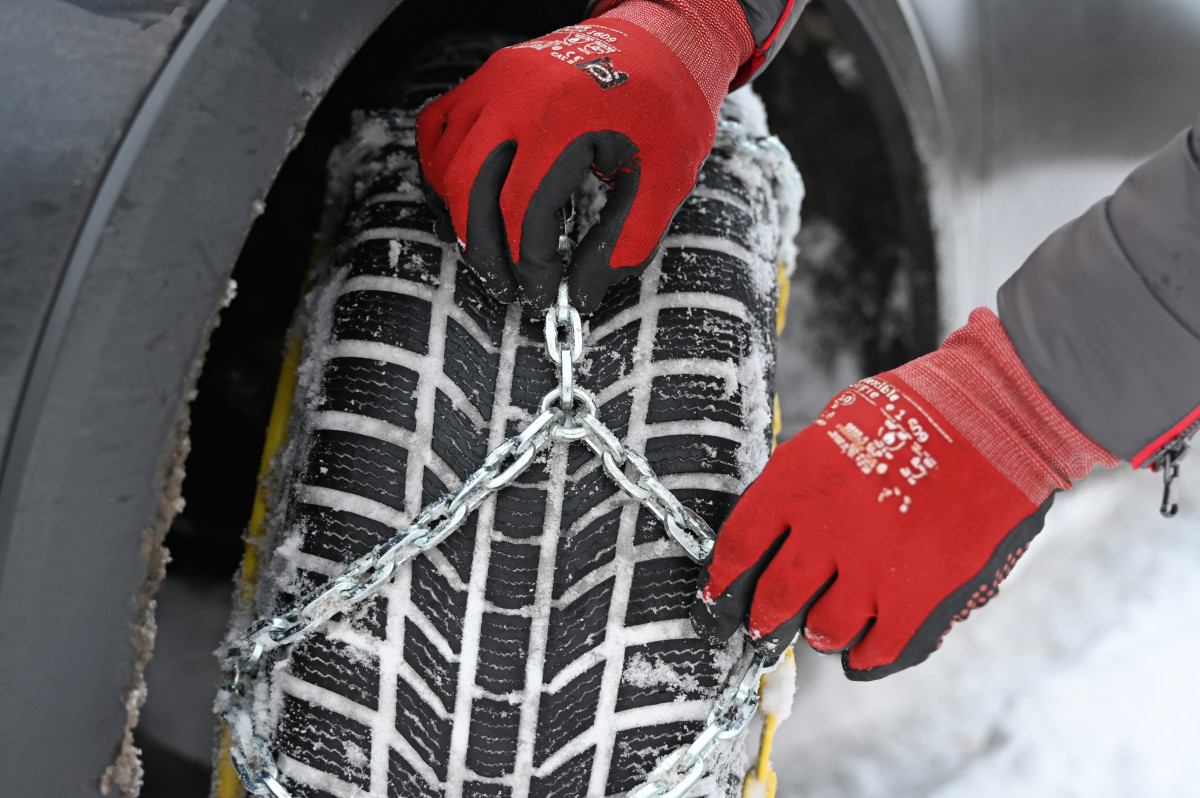
First, ignore the estimated arrival times on your navigation apps. Travel that usually takes one hour could easily take four, assuming the route remains open at all. Your vehicle needs to be equipped for a prolonged stranding. This means carrying a full set of properly fitted tire chains, even if your vehicle has all-wheel drive. Highway Patrol officers will not hesitate to turn you around if you arrive at a checkpoint without them.
Inside the cabin, pack a comprehensive winter survival kit. This should include heavy blankets, extra warm clothing, a high-capacity power bank for your phone, and a dedicated flashlight with spare batteries. Bring enough food and water to last at least 24 hours. If you get stuck on a mountain pass behind a multi-car accident or a sudden avalanche, you could be waiting overnight for emergency crews to clear the way. Additionally, ensure your windshield wipers are fresh and your washer fluid reservoir is topped off with a freeze-resistant formula. Visibility is your first line of defense, and the constant spray of mud, road salt, and sleet will obscure your windshield in seconds.
Respecting the Conditions
As automotive journalists and enthusiasts, we often celebrate the capabilities of modern vehicles. We test wading depths, approach angles, and snow modes. But a storm of this magnitude requires a different kind of respect. It demands that we stay off the roads.


There are no reviews to display.