


Mountain passes buried under massive snowfall
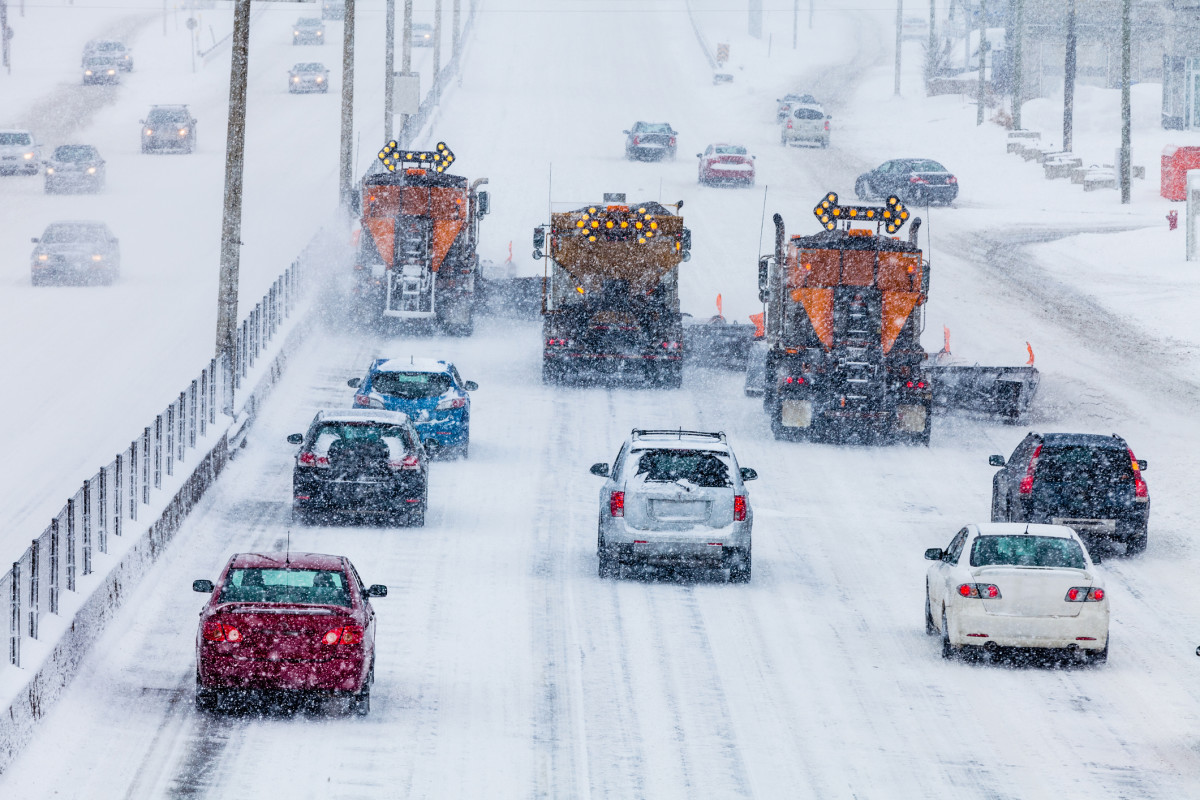
A relentless winter storm is actively punishing the Pacific Northwest, bringing life-threatening conditions to the Washington Cascades starting Tuesday, March 10. The National Weather Service has issued comprehensive winter storm warnings for elevations above 3500 feet, in effect through Friday, March 13. Early accumulations are hovering around 8 to 14 inches, but meteorologists warn that persistent bands of moisture could push totals to a staggering 4 feet by the end of the work week. Commuters and commercial drivers on Interstate 90 and Highway 2 will encounter near-zero visibility. Heavy snowfall combined with 55 mph localized gusts is creating whiteout conditions, making it nearly impossible to navigate Stevens Pass and Snoqualmie Pass safely.
Extreme blow over risks from hurricane force gusts
As the system moves inland throughout Tuesday and Wednesday, the primary hazard shifts from heavy snow to destructive winds. The Northern Rockies, particularly sections of Montana and Wyoming, are currently under high wind warnings. An intense pressure gradient is funneling air across the terrain, generating violent crosswinds that can reach 80 mph. These are equivalent to Category 1 hurricane wind speeds. If you are behind the wheel of a commercial semi truck, a lifted SUV, or any vehicle towing a trailer, you are at an extreme risk of a lateral blow over. The force of these gusts is more than enough to shove a heavy vehicle out of its lane or tip it entirely on exposed highway bridges.
Getty Images
Colorado interstate 70 corridor braces for impact
Further south, travelers navigating the Colorado Rockies are facing a messy, treacherous commute from March 10 through Thursday, March 12. The highly trafficked Interstate 70 corridor is squarely in the crosshairs of this sprawling weather system. Forecasts indicate that 6 to 15 inches of dense, heavy snow will accumulate from the foothills up to the high mountain passes. The Eisenhower Tunnel, a notorious bottleneck during winter storms, is expected to see at least a foot of fresh powder. The Colorado Department of Transportation is actively enforcing strict chain-and-traction laws. Vehicles without adequate snow tires or Four Wheel Drive will struggle to maintain grip on the steep, slushy inclines.
Storm prep kit for your car
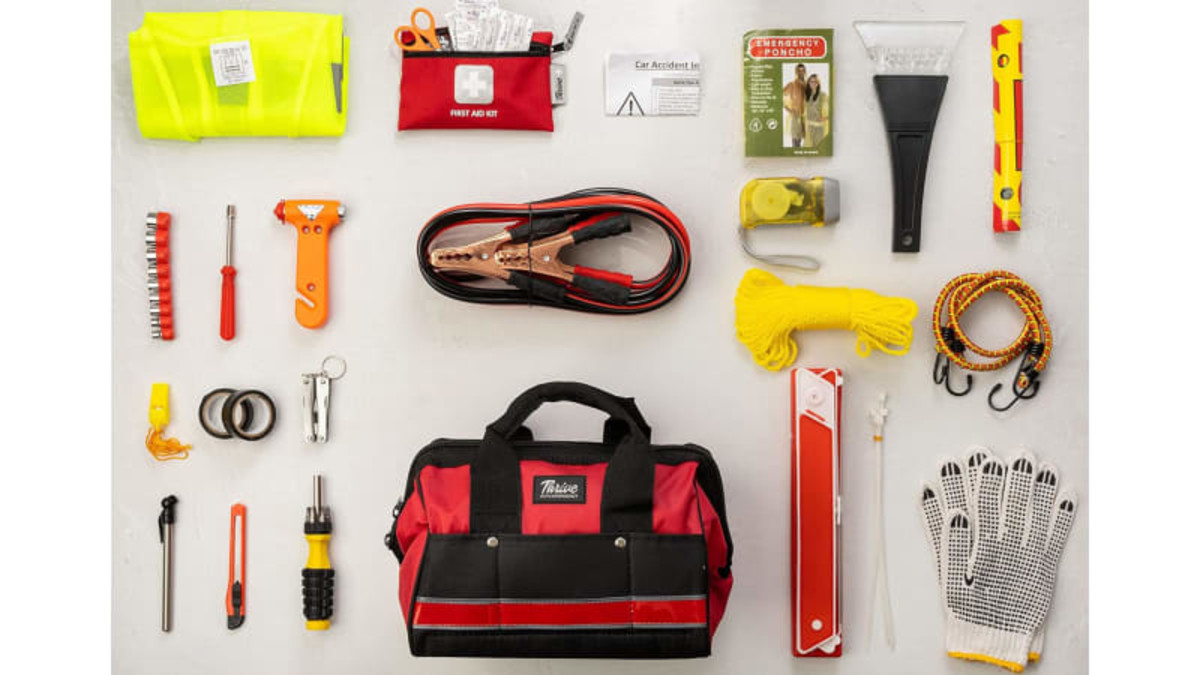
When traveling through remote western highways during a severe weather event like the one hitting this week, self-reliance is your best defense. Response times for tow trucks and emergency services can stretch into hours when roads are impassable. Every driver should carry a dedicated winter emergency kit in their trunk. Essential items include high-quality tire chains that fit your specific tire size, a sturdy snow shovel, and a bag of sand or non-clumping kitty litter to help regain traction on ice. You also need to pack for personal survival. Bring heavy wool blankets, extra layers of warm clothing, waterproof gloves, a high-lumen flashlight with extra batteries, and enough non-perishable food and bottled water to sustain you and your passengers for at least 24 hours.
How severe weather affects vehicle performance
Extreme cold and heavy precipitation drastically alter how your car behaves on the road. Freezing temperatures cause the air inside your tires to contract, leading to a significant drop in tire pressure. Underinflated tires have a smaller contact patch with the road, which drastically reduces your grip on icy surfaces and increases your braking distance. Cold weather also places a massive strain on your battery. A battery that performs perfectly in warm weather may lack the cold-cranking amps needed to start a frozen engine. Furthermore, engine oil thickens at subzero temperatures, slowing its circulation and reducing its ability to protect vital engine components during startup. Always allow your vehicle a few extra minutes to warm up, and ensure your windshield washer fluid is rated for deep-freeze conditions so it does not crack your reservoir or freeze on the glass.


There are no reviews to display.