




IIHS Raises the Bar With a New Whiplash Prevention Test
The Insurance Institute for Highway Safety has introduced a new whiplash prevention evaluation aimed at reducing neck injuries from rear-end crashes. These injuries remain the most frequently reported in U.S. auto insurance claims. Early results show room for improvement. Only four of the 18 small SUVs tested earned a Good rating under the new criteria.
IIHS President David Harkey said the updated test is intended to drive further progress. He noted that while previous safety improvements reduced injury rates, whiplash claims continue to occur. The new evaluation is designed to identify seat and head restraint designs that provide better real-world protection. The change also aligns with IIHS’s broader safety framework.
Our earlier list of safest cars in America for 2025 shows how difficult it has become to earn a Top Safety Pick or Top Safety Pick+ rating, which already requires strong performance across crashworthiness, crash avoidance, and pedestrian protection.
Why IIHS Replaced the Previous Head Restraint Test
The original IIHS head restraint test was discontinued in 2022 after nearly all vehicles achieved top scores. Automakers had effectively optimized designs to meet the existing criteria. While those improvements helped lower injury rates, insurance data continued to show meaningful differences in whiplash claims between models that the test could no longer distinguish.
To address that gap, IIHS developed a more detailed evaluation. The new test removes the driver seat and mounts it on a sled with a rear-impact dummy featuring an articulated spine. Two acceleration pulses simulate rear-end crashes at 20 mph and 30 mph. Engineers measure factors such as head contact time, upper spine acceleration, pelvis movement, and bending forces between the head and neck. These metrics better correlate with real-world injury data.
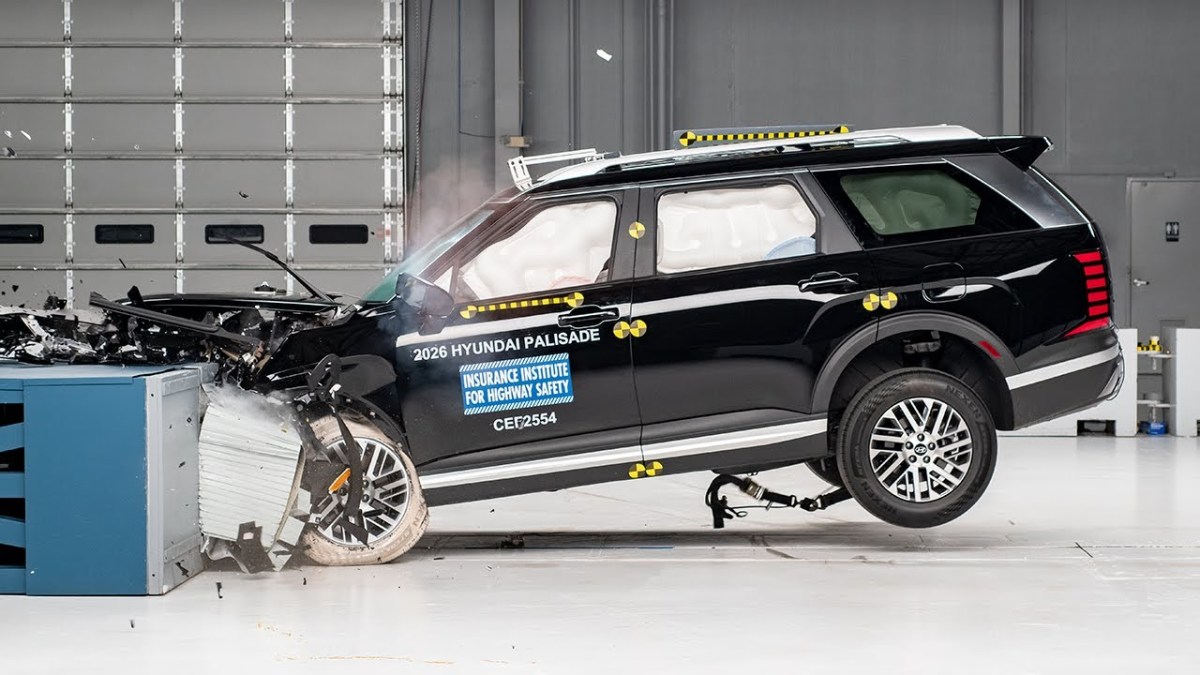
IIHS
Which Vehicles Performed Best and Worst
Four vehicles earned Good ratings. They are the Audi Q3, Hyundai Ioniq 5, Subaru Forester, and Toyota RAV4. Nine models received Acceptable ratings, including the Honda CR-V, Kia Sportage, and Volvo XC40. The BMW X1 and Nissan Rogue were rated Marginal. The Ford Bronco Sport, Hyundai Tucson, and Mazda CX-50 received Poor ratings after showing major deficiencies.
The test video highlights the differences. In poorly rated vehicles, the dummy’s head moved excessively relative to the spine. This caused the cervical vertebrae to straighten instead of maintaining their natural curve. In good-rated vehicles, the seat and head restraint kept the head and spine aligned while managing crash energy more effectively. Even small design shortcomings can now prevent vehicles from earning top safety honors. Whiplash protection is the latest area under scrutiny.
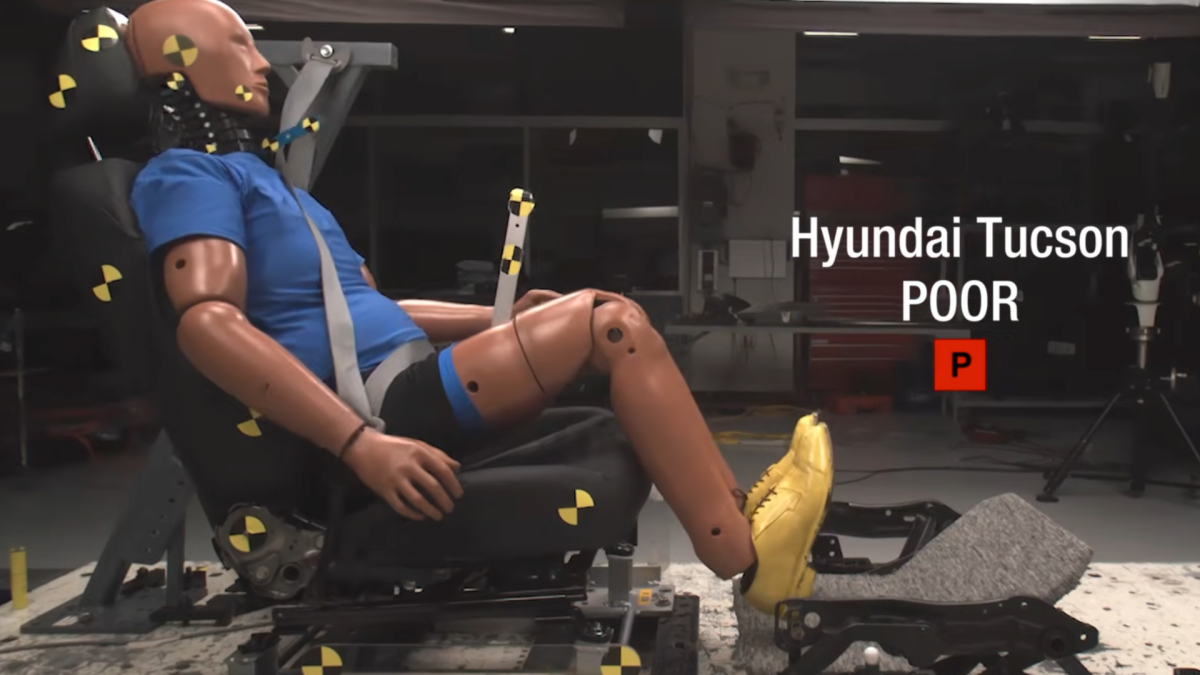
YouTube: @iihs-hldi


There are no reviews to display.