


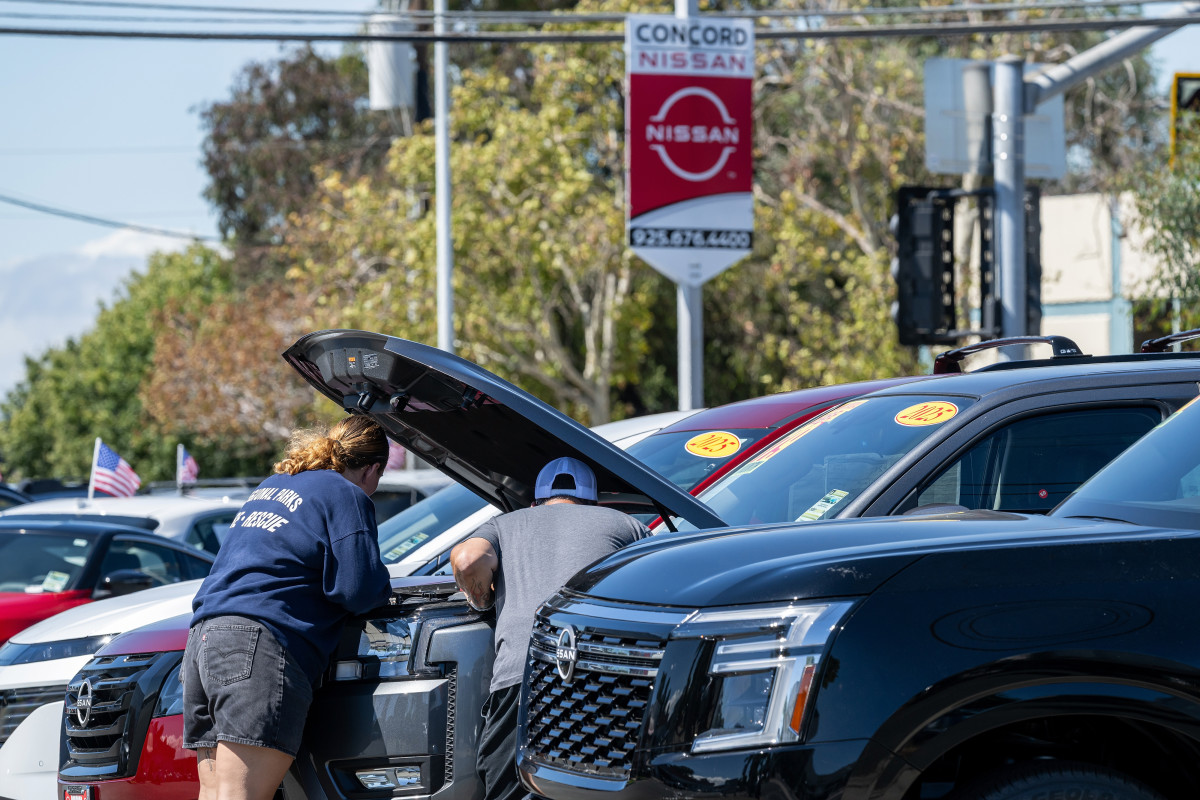
As the average price of a new car reached an all-time record high of $50,326 in December 2025, U.S. shoppers are having a difficult time keeping up with the increasing total cost of vehicle ownership, which has risen 48% since 2019 according to data from Cox Automotive.
Since only one in five American buyers can afford to pay cash up front to get a new car, it goes without saying that car loans and leases are the preferred buying method for the vast majority of consumers.
A Sign That Many U.S. New Car Buyers Are More Cash-Strapped Than Ever
Getty Images
The problem is the rate and length of auto loans have skyrocketed last year, with the average monthly payment for new-vehicle buyers through December 2025 reaching $722, up 2.4% compared to 2024, according to Automotive News.
Perhaps more worryingly, loan terms are getting longer: 20.8% of new vehicles financed had a loan term of 84 months or more. Yes, you’ve read that right: over one in five U.S. new car shoppers signed up for seven years or more of payments.
Down payments are another indicator that many buyers don’t have enough cash to put down at signing in order to have lower monthly payments later on. The average down payment for a new vehicle was around $6,228 in 2025, down 9.2% year-over-year. This is a sign that Americans are saving their hard-earned cash for other basic needs.
The downside of such long loan terms and low down payments is not hard to guess—monthly car payments are getting higher fueled by increasing new car prices and high interest rates.
Long Auto Loans Can Lead to Negative Equity
FREDERIC J. BROWN/AFP via Getty Images
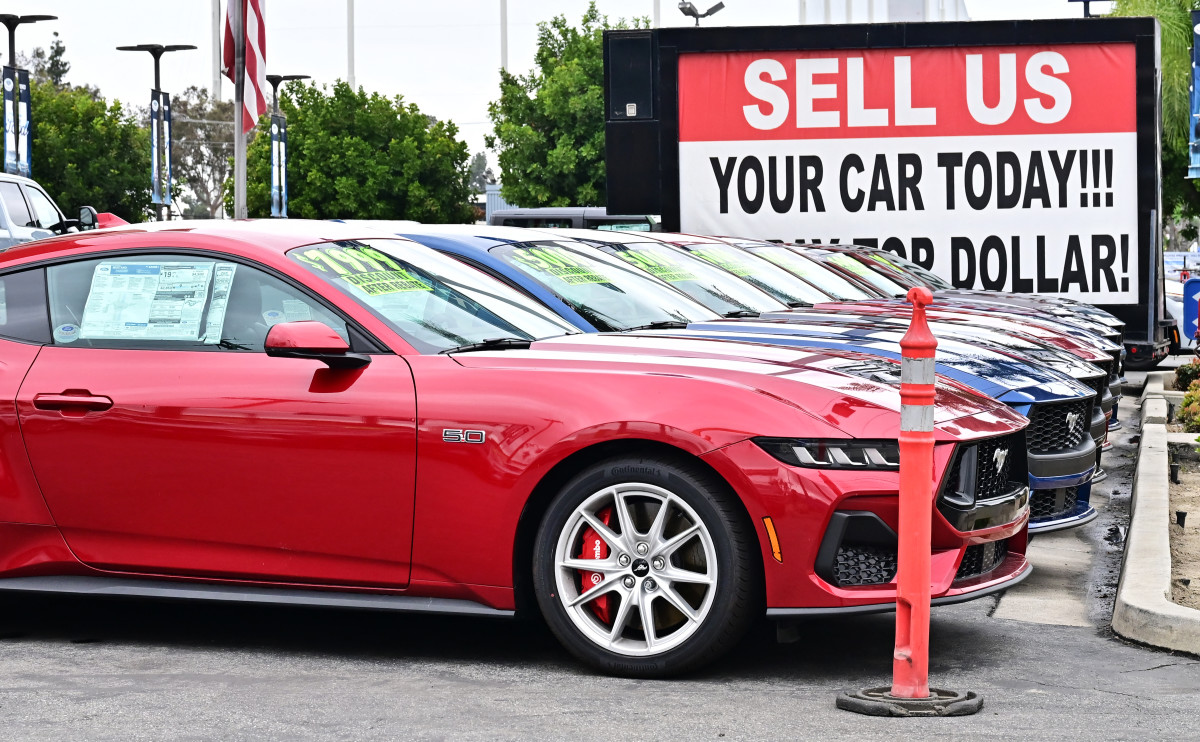
For people who can afford to pay $700 or more each month on their auto loan, that may not seem like a problem, but experts warn that those who sign 84-month loan agreements and bring in low down payments face the risk of negative equity over time. In plain English, that means they end up owing more than the financed car is worth.
That’s probably not something most buyers worry about, but it can become a problem if they decide to sell or trade in their car before the loan is paid off. Needless to say, the longer a car loan agreement is, the higher the risk of a default.
The rise in long-term auto loans points to the financial strain many Americans are dealing with when purchasing new vehicles. And the situation is not likely to improve anytime soon. “I don't assume cars will be any cheaper five or six years from now,” Joseph Yoon, Consumer Insights Analyst for Edmunds, told AN.
And let's not forget about inflation, which could rise significantly because of the war in the Middle East, due to its potential to send oil prices to unsustainable levels and disrupt supply chains, wreaking havoc on the global economy in the process. All that paints a bleaker picture than ever for new car shoppers—at least in our lifetime.


There are no reviews to display.