



Crash Safety Tests Matter
Crash safety tests are one of the best ways to see how cars sold in the US really hold up in protecting their occupants when things go sideways. While missing out on an IIHS Top Safety Pick or Top Safety Pick+ doesn’t mean a car is unsafe for daily driving, the tests reveal potential vulnerabilities. For 2026, IIHS tightened the rules, focusing on rear-seat protection in its updated moderate overlap front crash test.
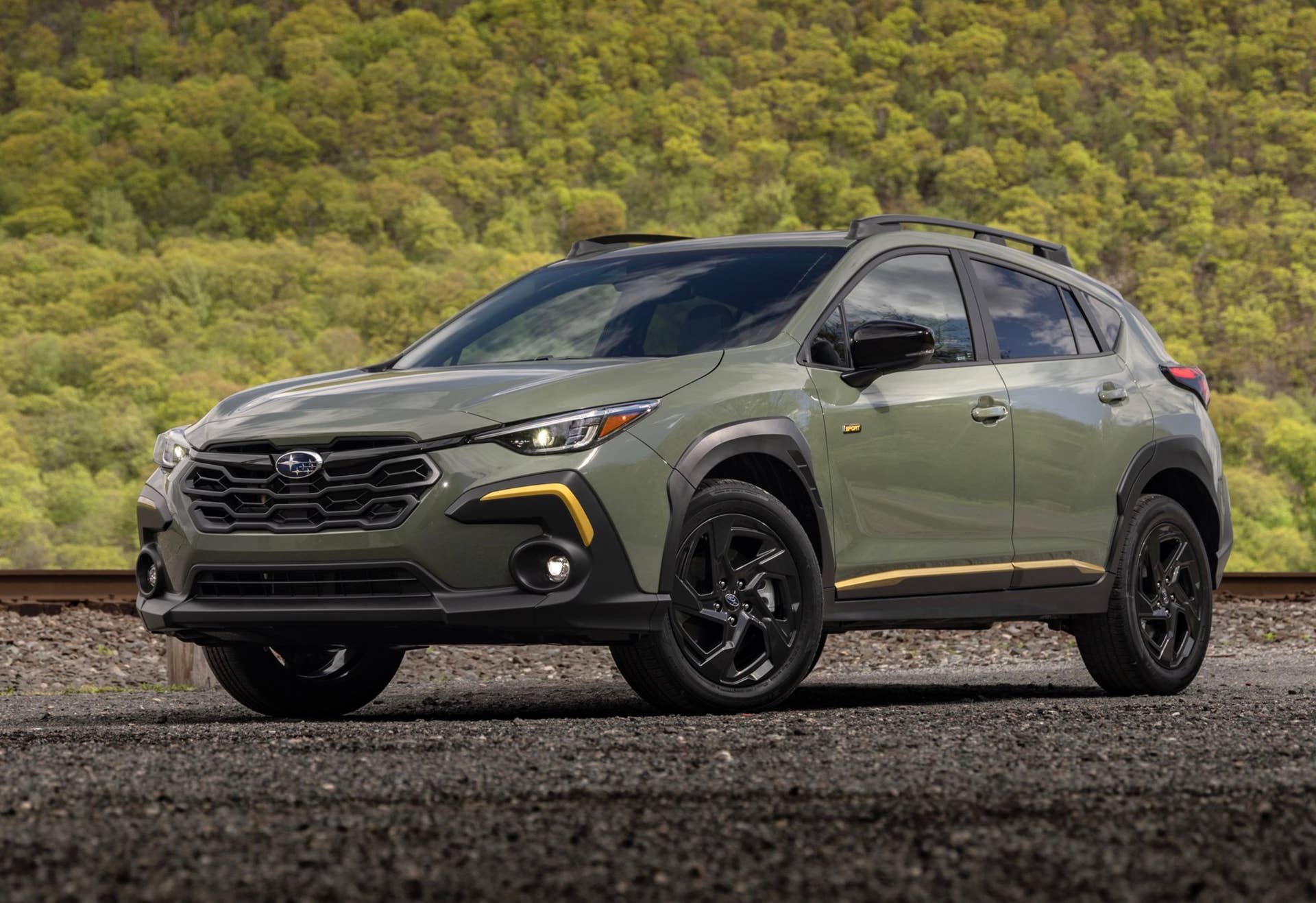
Plenty of models made the cut and grabbed Top Safety Pick+ honors. Some didn’t. Two of the misses are names you probably know: the 2026 Crosstrek and the 2026 WRX. What’s interesting is that these two sit at opposite ends of Subaru’s sales chart. The Crosstrek led the pack in 2025, racking up 191,724 sales early in the year. The WRX, on the other hand, was near the bottom, just ahead of the BRZ and Solterra.
Where the WRX Stumbled
The current WRX has been around since 2022, and Subaru has already tweaked the rear seat belts a few times to boost safety. They added new pretensioners, load limiters, and belt tongues for 2024, then made more changes for 2025 models built after August.
Even after those updates, the 2026 WRX – which recently got a price cut – didn’t meet IIHS standards for a Top Safety Pick. In the new moderate overlap front test, the rear passenger dummy’s lap belt moved up from the pelvis to the abdomen, according to the report. That raises the risk of abdominal injury. IIHS gave the WRX a “Poor” rating for rear passenger chest injury protection and a “Marginal” score for rear passenger restraints and dummy movement. Since Top Safety Pick requires at least an “Acceptable” rating here, the WRX didn’t make the cut.
Crosstrek: Same Problem, Bigger Spotlight
The Crosstrek’s case stands out even more, mostly because so many people buy one. Subaru gave it a redesign for 2024 and updated the rear seat belts for 2026, but those tweaks didn’t fully solve the problem IIHS found.
Like the WRX, the Crosstrek’s rear passenger lap belt moved onto the abdomen in the moderate overlap test. The ratings were similar: “Acceptable” for rear passenger chest injury protection and “Marginal” for rear passenger restraints and movement. That one issue was enough to keep Subaru’s best-seller out of the 2026 Top Safety Pick running.
For a brand that’s built its reputation on safety, this is more about details than a major problem. The Crosstrek and WRX are still solid cars, earning “Good” ratings in almost every other area. The new IIHS rules just highlight where there’s still work to do, especially for people riding in the back.
Subaru


There are no reviews to display.