


Horse Powertrain’s Latest Push for Hybrid Efficiency
Horse Powertrain isn’t a household name yet, but it’s quickly becoming one of the more intriguing brands in the hybrid and combustion world. With backing from Renault Group, Geely, and Aramco, the company’s approach is simple: help automakers achieve greater efficiency from existing electrified powertrains without forcing a complete redesign.
Its latest development continues that approach – a new “Amorphous Motor,” a dedicated hybrid transmission motor that claims an efficiency rating of 98.2%. According to the company, that figure puts it among the most efficient electric motors currently designed for hybrid powertrains.
Horse designed the Amorphous Motor to slot into hybrids, plug-in hybrids, and range-extended EVs. For automakers, it’s another way to boost fuel economy and cut emissions, all without having to overhaul their existing platforms.

Horse
A Motor Built Around Amorphous Steel
The secret sauce here is amorphous steel. This isn’t your standard alloy – it’s tougher, handles magnetic fields better, and has unique electrical properties. That lets engineers rethink one of the motor’s most important parts: the stator.
Normally, a stator is made from stacked steel laminations about 0.25 mm thick. Horse’s version uses amorphous steel sheets just 0.025 mm thick – about a tenth as thick as usual. That change helps guide magnetic fields and generate torque more efficiently.
Going thinner means less energy wasted as heat, especially from stator iron losses. According to Horse, its amorphous-steel setup slashes those losses by around half compared to a typical motor.
The end result? A hybrid motor that puts out up to 188 horsepower and 266 lb-ft of torque, all while holding onto that 98.2% efficiency figure.
In real-world terms, that efficiency boost actually shows up at the vehicle level. Drop this motor into a hybrid, and Horse says you’ll see about a 1% drop in total fuel and energy use compared to older motor designs.
A 1% bump in fuel savings might not sound like much, but at this stage, squeezing out even small gains is tough. Today’s hybrids are already running near the top of their game, so most improvements come from fine-tuning specific parts instead of reworking the whole setup.
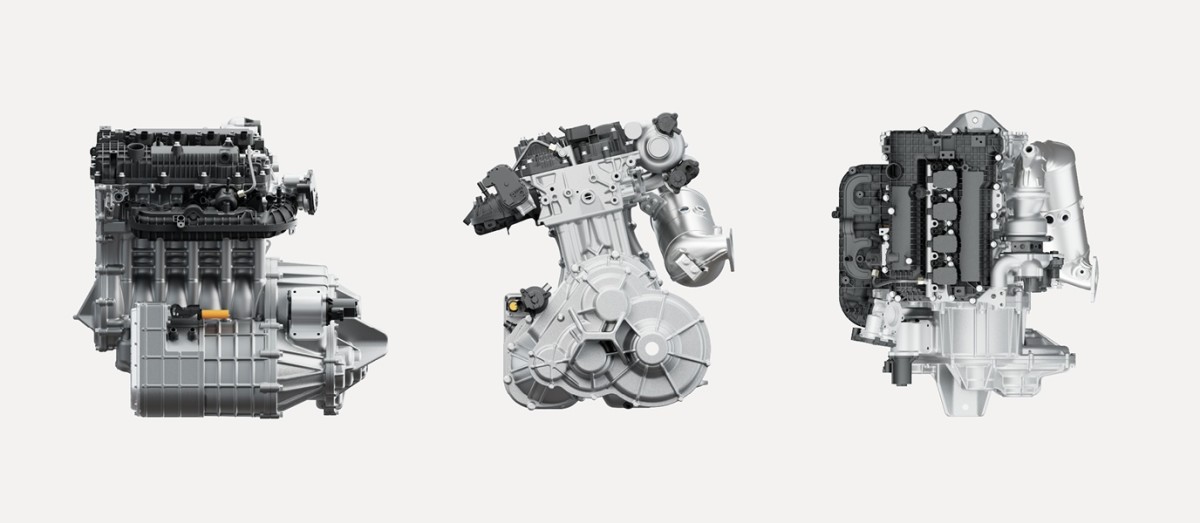
Horse Powertrain
Part of a Broader Hybrid Strategy
The Amorphous Motor is just one part of Horse Powertrain’s bigger plan to make electrified powertrains better. They’re looking for ways to squeeze more efficiency out of both electric and combustion tech.
One earlier project is the H12 hybrid engine, built with Repsol. It aims for a peak brake thermal efficiency of 44.2%, thanks to a high 17:1 compression ratio, updated turbocharging, and better exhaust gas recirculation.
Horse claims the system could achieve fuel consumption below 3.3 L/100 km under WLTP testing, equivalent to about 71 mpg. The engine is also designed to run on 100% renewable fuel, potentially lowering a midsize vehicle's annual CO2 output.
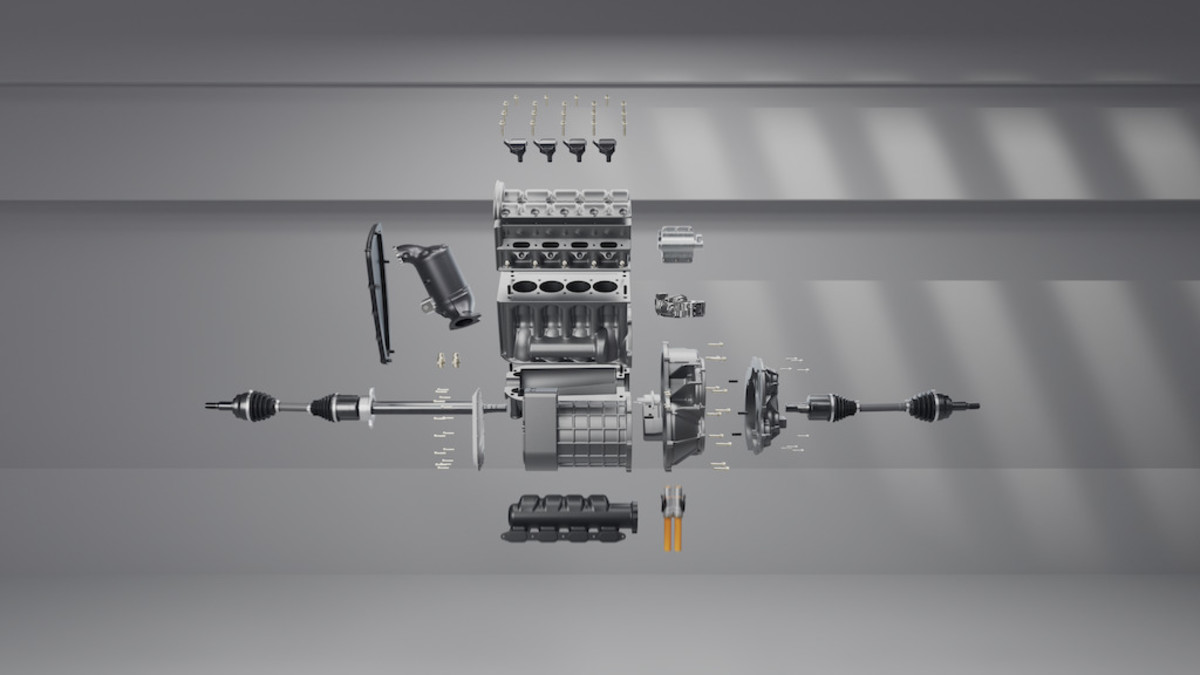
Horse Powertrain


There are no reviews to display.