




Every year, roughly 30% of all traffic crash fatalities in the United States involve drunk drivers. There were 12,429 drunk driving-related fatalities on American roads last year, equating to approximately 34 deaths a day. That's according to the National Highway Traffic Safety Administration, but according to BMW, such a tragic statistic need not be the norm much longer. A new patent filed with the World Intellectual Property Office (noted by CarBuzz) suggests combining existing technologies to stop inebriated individuals from getting behind the wheel, or at least, from getting a sufficiently equipped car started and moving.
What BMW's Patent Proposes
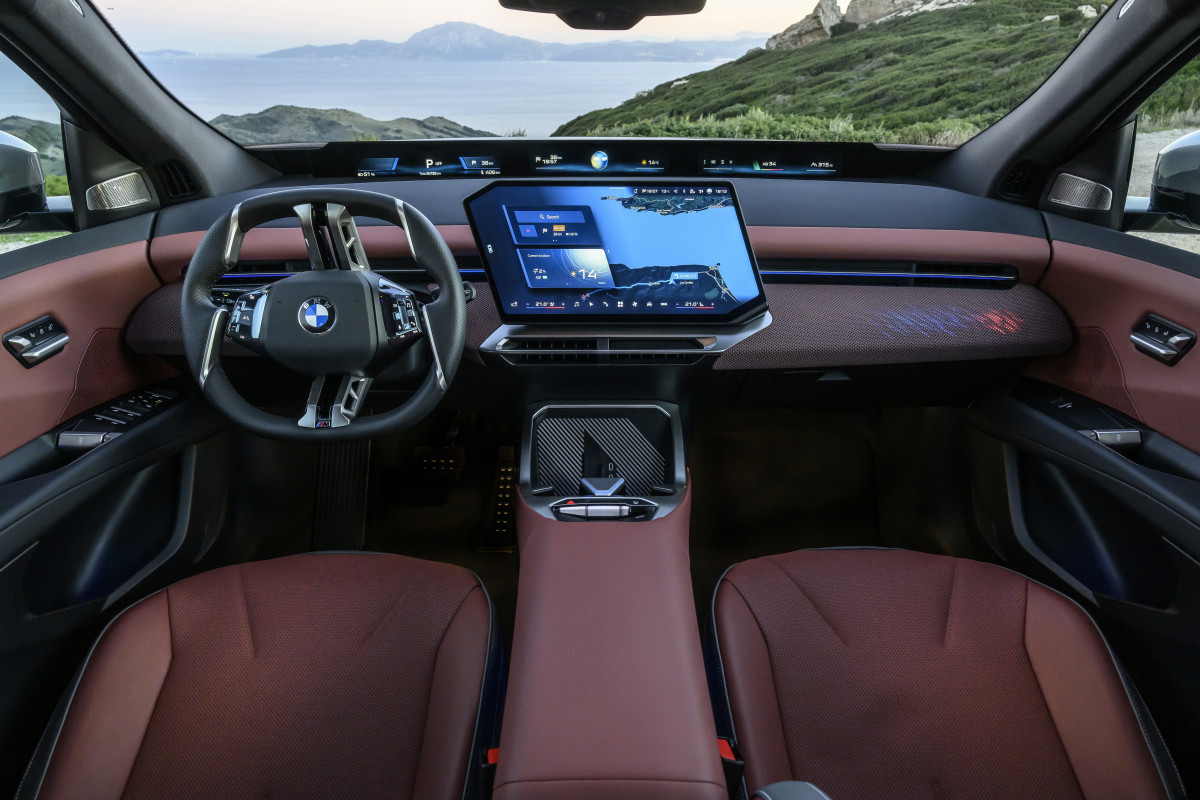
Many new cars are available with the option of a digital key, where the user's smartphone or smartwatch is used to unlock and lock the vehicle, remotely start the engine/electric motors, activate driver preferences, turn on climate control, and determine things like battery state of charge, among other pieces of information. As annoying as this tech can be when it doesn't work properly, when it does work properly, it removes one more item from the user's pocket, enhancing convenience. BMW's patent suggests that the phone be connected to a breathalyzer, which could be part of the car or a portable gadget. Regardless, until the user blows into the breathalyzer to confirm that their blood-alcohol level is below the legal limit, the car could remain immobilized.
The patent suggests that, even if a user fails this test, their digital key could still allow the vehicle to activate the infotainment and climate control systems, minimizing the chances of a drunk user freezing or falling asleep while they sober up or wait for a non-drinker to arrive.
Big Brother is Scary, but Safety Matters
Of course, while such an idea could prove particularly useful in cases where a court-ordered interlock is mandated, for example, this potential technology also raises questions about how an individual's data might be used and whether their breathalyzer scores would be recorded and possibly even sold to insurance companies; GM was sued for selling customer data earlier this year. Even if a person doesn't attempt to drive in an inebriated state, recording and passing on such information could be detrimental to their premiums.
Related: Study: BMW Drivers Have the Highest DUI Rate in Major U.S. Cities
However, like a recent patent in which McLaren proposed limiting track-focused vehicle modes to predetermined secure environments, this patent highlights that the human race has proven time and again that it cannot always be trusted to make the safe or smart choice. And given the reputation that BMW drivers often have, perhaps a little more oversight wouldn't be so bad. After all, if traffic fatalities could be lowered by nearly a third, we'd all sleep better at night.


There are no reviews to display.