


Keeping Things In the Family
One benefit of having multiple brands under one corporate ownership is that each brand can share components with the others. Doing parts sharing reduces cost and boosts production efficiency, helping keep costs in check and expanding products across related brands.
This practice isn't only used by affordable mass-market automakers; some higher-tier brands also share parts among themselves. Notable examples can be found everywhere, but there are times when sharing parts is seen as too much of a cost-saving move, and could hurt a model's credibility before it even launches.
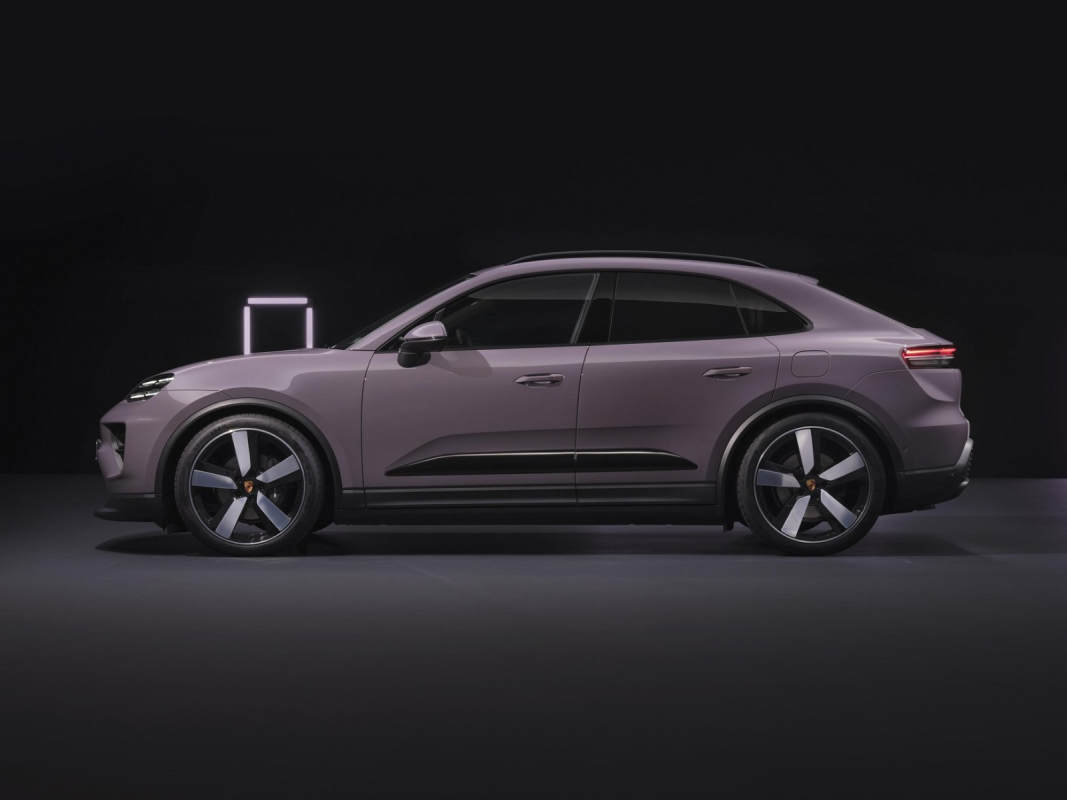
Best-Selller
The Porsche Macan was the brand's best-selling SUV in the United States last year. So popular, in fact, that the brand eventually launched an all-electric version of the Macan. Unfortunately, it hasn't proven as successful in sales as the ICE model.
Porsche has since remarked that it's all in on developing and keeping gasoline engines alive as the EV demand has slowed globally. The Macan has already met its end in Europe, as it no longer complies with European Cybersecurity laws. In the U.S., the gasoline Macan is still on sale, but is quickly aging compared to the competition.
The brand's former CEO announced that an all-new gasoline-powered Porsche Macan would be launched by 2028. Following this, the automaker also said that the last current-generation gasoline Macan will be built in mid-2026, leaving the EV Macan to carry the nameplate until 2028.
It was recently reported that the next-generation Macan under development will be heavily based on the all-new Audi Q5 platform. There are already photos of the test car out and about. Audi's all-new Q5 rides on the Premium Platform Combustion (PPC) architecture.
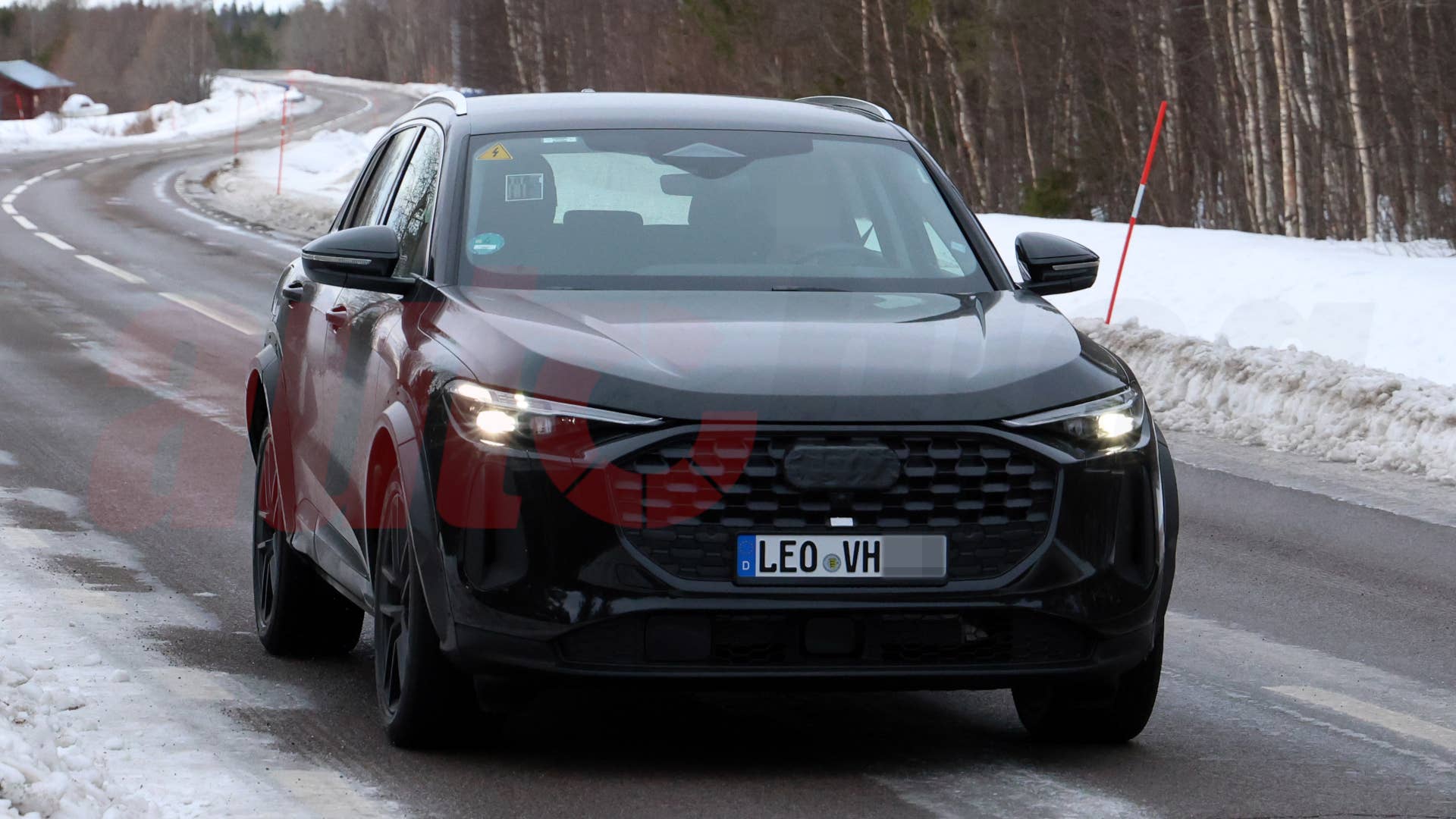
SH Proshots/Autoblog
A True Porsche Macan
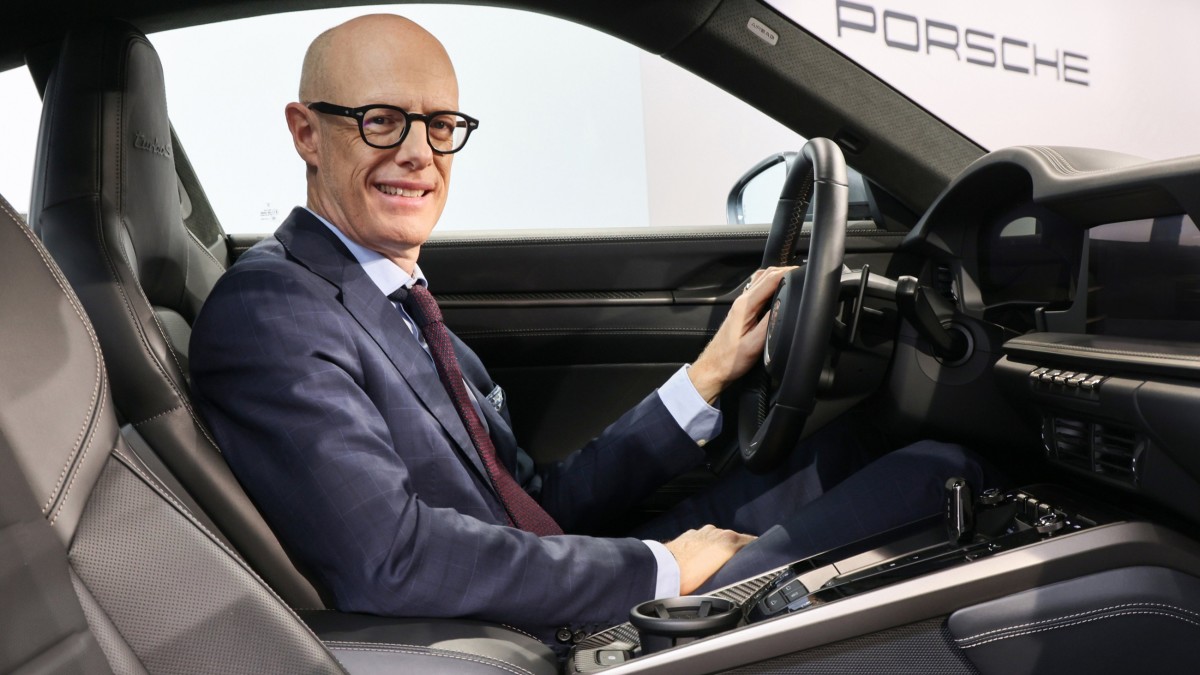
During an earnings call, Porsche executives discussed whether there was a way to accelerate the development and production of the all-new Macan, considering the existence of the PPC platform. Current Porsche CEO Michael Leiters was quick to point out that while they will leverage commonalities between Audi and Porsche, they are keen to ensure the Macan is a real Porsche,Automotive News reports.
Thus, all the ingredients needed to achieve Porsche's goal will take time to properly develop and flesh out. Recently, Porsche paid $1.15 billion in license fees to Audi, enabling them to work together on certain models by sharing vital components. Leiters says this isn't limited to the Macan project but covers multiple future models.


There are no reviews to display.