


Interior Materials Matter Most
Interior materials aren’t usually the first thing buyers mention, but they’re what you live with every day. You spend more time with your hands on the steering wheel than anywhere else, and the rest of the cabin is always in your sight – long after you’ve stopped noticing the badge on the hood. Over the years, you’ll notice every crease, wrinkle, or spot that gets too hot in the sun.
That’s why leather has always been at the top: it ages with character, and it brings a sense of permanence that cloth and early synthetics just couldn’t match.
But leather isn’t perfect. It wrinkles, fades, adds weight, and is expensive to produce. As carmakers get more creative with design and materials, they’re looking for ways to keep that satisfying feel of leather without all the downsides. Nissan is one of those automakers, and its approach isn’t to ditch leather altogether, but to rethink what “leather-like” can mean for today’s interiors.
Nissan
Nissan’s TailorFit – the Better Leather?
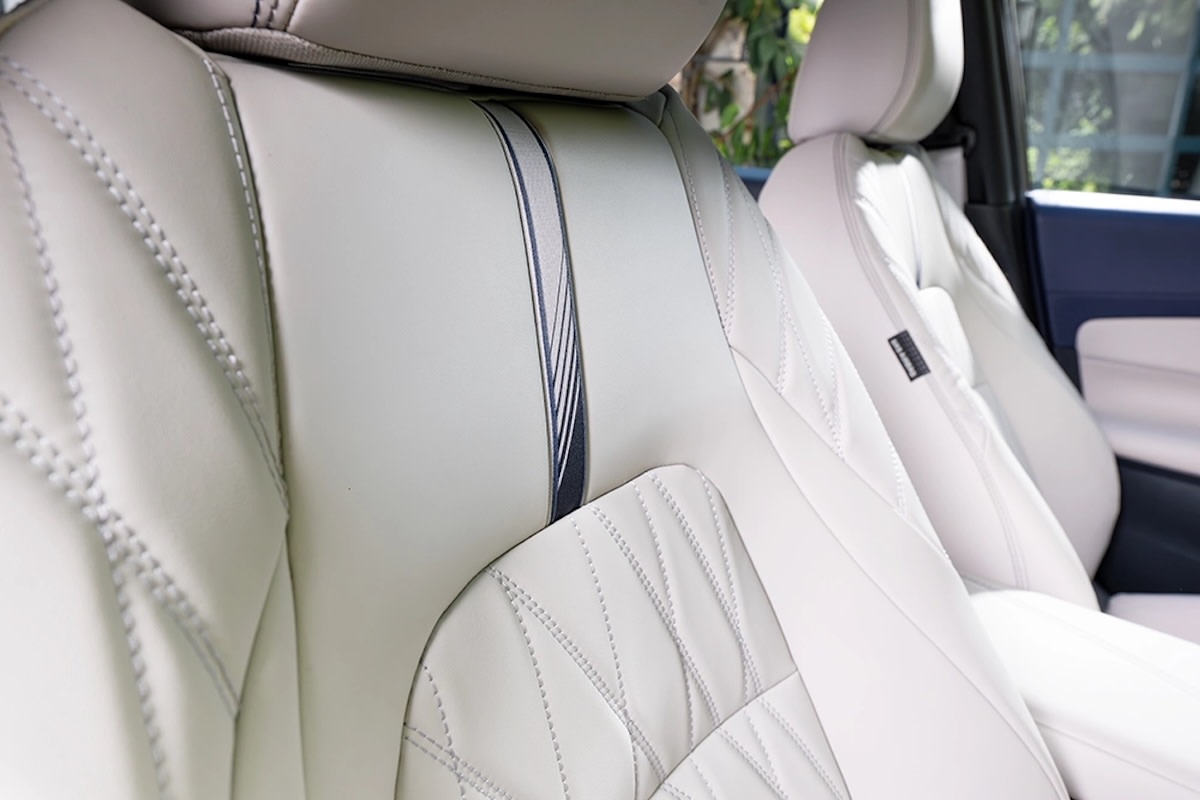
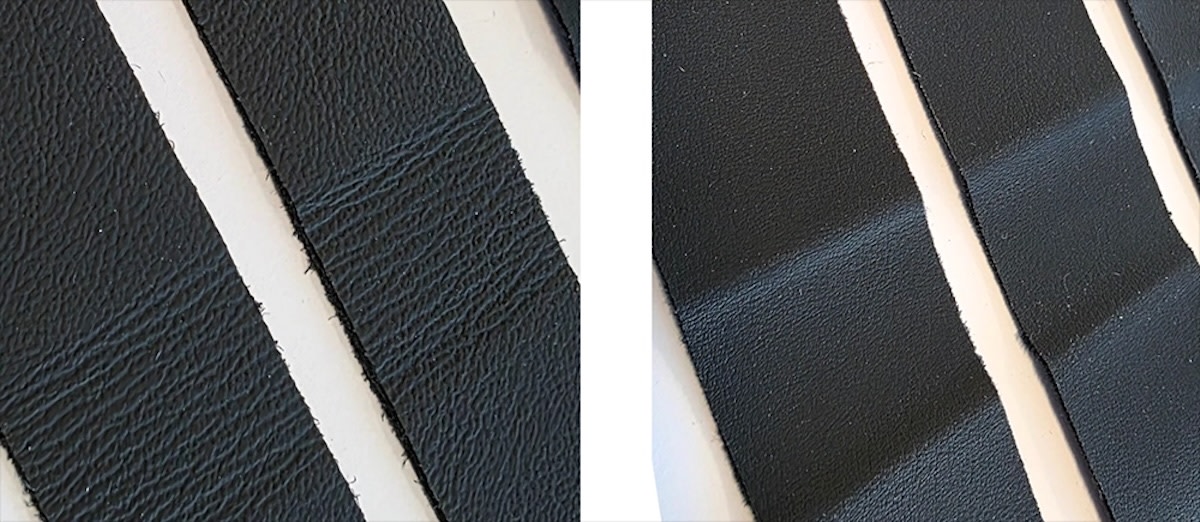
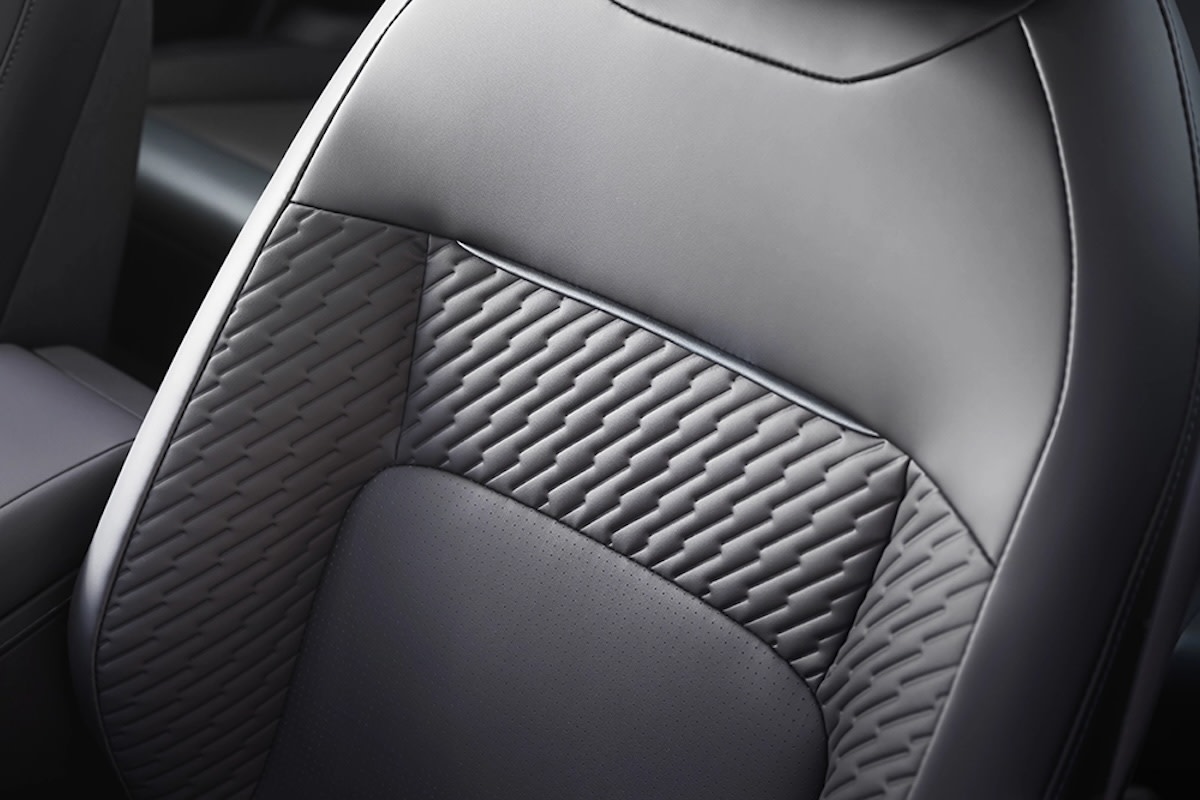
That’s where TailorFit comes in. It’s Nissan’s own synthetic seat material made from polyurethane, designed to feel more like real high-end leather than the usual leatherette. The idea is to quietly copy the softness and grain drivers expect in a premium cabin. Nissan’s engineers even matched the grain spacing to the distance between human fingerprint grooves, which is probably why it feels so smooth when you run your hand over it.
Nissan claims TailorFit is durable, built to resist wrinkles and creases better than real leather, especially after years of climbing in and out of the car. It’s lighter, reduces material waste during production, and helps Nissan maintain consistent quality from one car to the next. That’s part of how models like the 2026 Sentra SL can offer a premium-looking interior without creeping into luxury-car price territory.
You’ll find TailorFit in a handful of Nissan models right now – Armada SL, LEAF SV+ and Platinum+, Pathfinder SL, and Sentra SL. It’s even made its way into some Infiniti trims like the QX60 and QX80. It’s not meant to replace leather for everyone, but it gives buyers an option that balances feel, durability, and price in ways traditional leather sometimes can’t.
Nissan
Premium Materials Other Than Leather
Nissan isn’t the only one rethinking leather’s place in car interiors. Volvo, for example, has gone all-in on alternative materials such as wool blends, woven flax panels, responsibly sourced wood, and even a synthetic called Nordico that uses recycled textiles.
What all these approaches have in common isn’t turning away from luxury, but rather finding other ways to engage with it. Instead of sticking to old habits, brands are experimenting with materials that feel good, last longer, and align with what buyers expect today – both in terms of quality and responsibility. Whether TailorFit is a good move for Nissan is, of course, up to you as a consumer.
Nissan


There are no reviews to display.