


Hot-Selling SUV Under Fresh Scrutiny
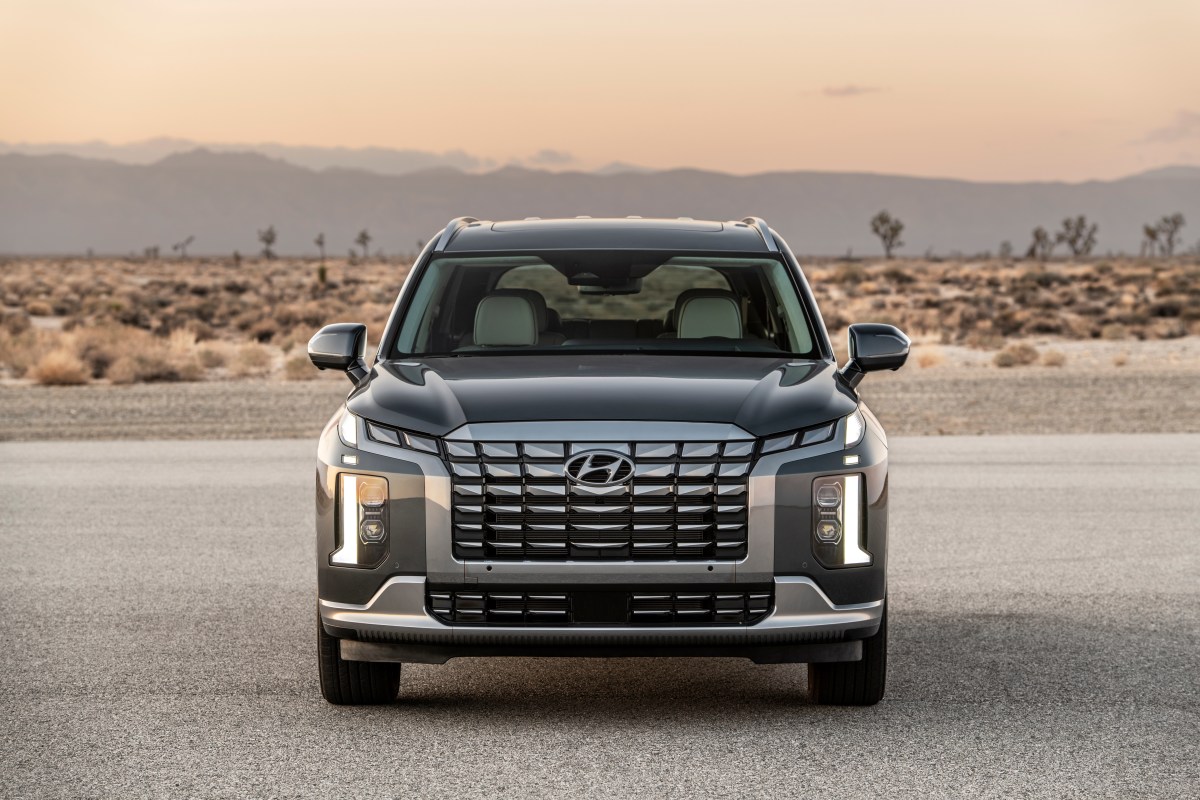
With 123,929 units sold last year, the Hyundai Palisade is a key model in the automaker’s US lineup, alongside the Tucson, Santa Fe, and Elantra. But with so many on the road, every recall or safety issue gets noticed by many owners.
Last month, Hyundai recalled 2020 to 2025 Palisade SUVs after regulators found that the third-row side curtain airbags might not meet federal safety standards. The main concern is whether these airbags actually protect passengers from being ejected in a crash. Soon after the recall, a class-action lawsuit was filed, claiming Hyundai didn’t do enough to address the problem.
The lawsuit, filed on February 5, 2026, alleges that Hyundai continued to sell and lease Palisades with the airbag issue, without fully fixing it or warning buyers of the risks. For a vehicle marketed on safety and family use, that gap is fueling frustration among owners.
What the Lawsuit Alleges
According to the lawsuit, over 500,000 Palisades built from April 2019 to June 2025 have a defect in their third-row side curtain airbags. The claim is that these airbags don’t meet federal standards meant to keep passengers from being ejected in a side impact.
The suit says Hyundai first found out about the problem after federal tests in April 2025 showed the airbags didn’t pass key safety checks. More tests and internal reviews confirmed the issue, which led to the recall in January 2026.
The main dispute centers on Hyundai’s response after the recall. The complaint says the company has not offered an effective repair or fully informed owners and buyers about the scope and impact of the defect. It also alleges that Palisades were still marketed and sold without a clear long-term solution.
The case is aiming for class-action status for Palisade buyers and lessees nationwide. The argument is that people either paid too much or might have chosen a different SUV if they’d known about the airbag problem. Meanwhile, Hyundai kept making money while owners waited for answers.
Of course, these are just the plaintiffs’ claims for now, and the courts still have to sort out what actually happened.
Not the First Lawsuit Over the Palisade
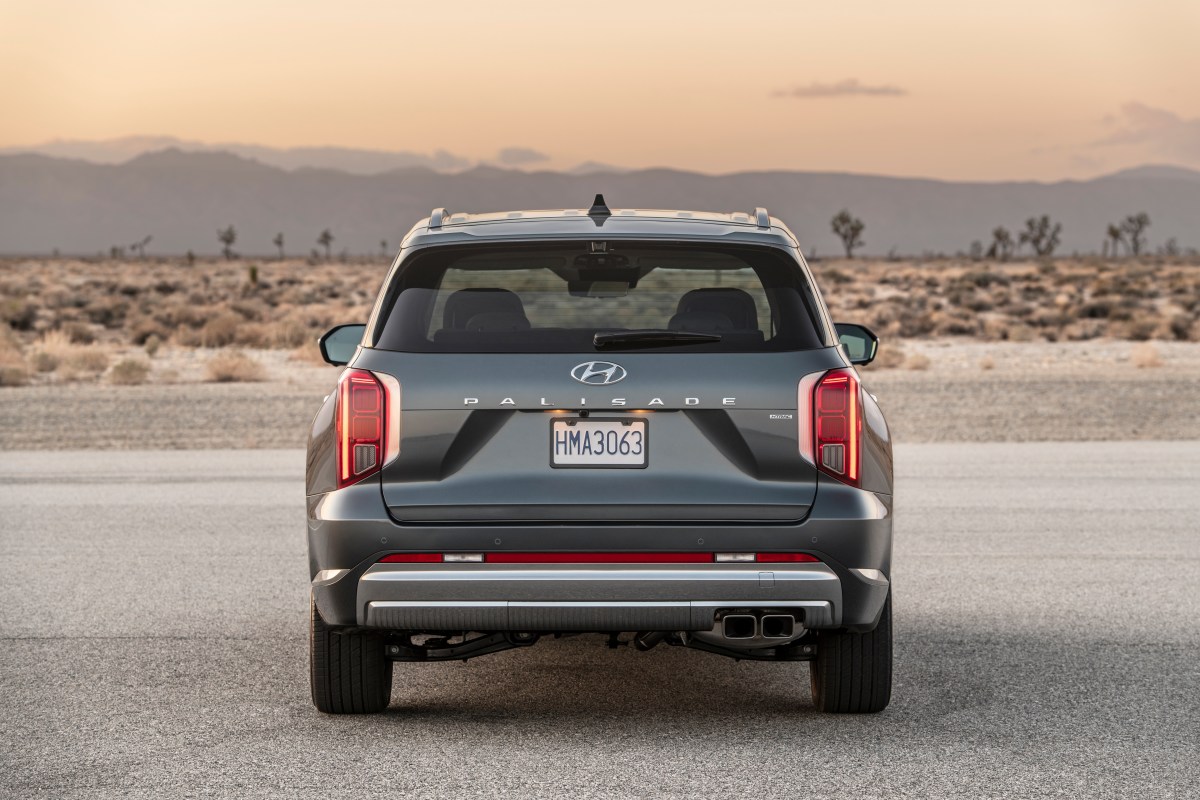
This isn’t the first time the Palisade has met legal heat. Earlier lawsuits have focused on other issues, such as brake problems and engine failures. None of this means the Palisade is unsafe across the board, though, but it does show how quickly legal pressure can build when a popular model runs into repeated technical problems.
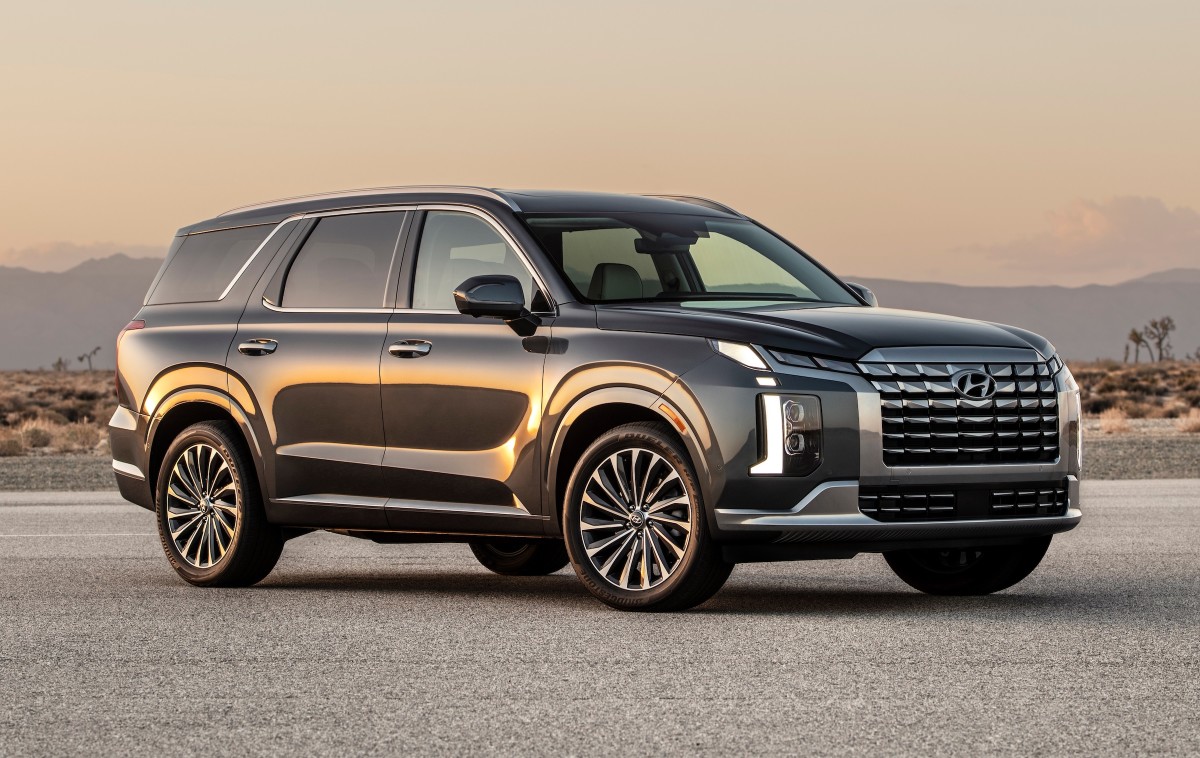
For Hyundai, the real test is fixing the issue and managing how buyers see the brand after so many recalls and lawsuits. With the Palisade being such a key part of Hyundai’s US lineup and the rest of the world, how the company handles this latest lawsuit could be just as important as what the courts decide in the end.
Hyundai


There are no reviews to display.