




Another Recall for a Recall Fix
It’s been more than two years since Jeep first recalled more than 330,000 units of Grand Cherokee for a serious rear suspension issue. However, over 80,000 of them are now headed back to dealerships for another round of repairs. The original problem? Rear suspension parts could come loose while driving, turning into road hazards for everyone. That was supposed to be fixed, but as it turns out, the solution didn’t always hold up.
Even after the first recall was supposedly finished, owners kept reporting that the problem either came back or never really disappeared. The NHTSA took notice and launched a new investigation late last year. The verdict from that investigation is in: another recall ensues, this time aimed at vehicles that were already supposed to be fixed – or at least partially fixed – the first time around.
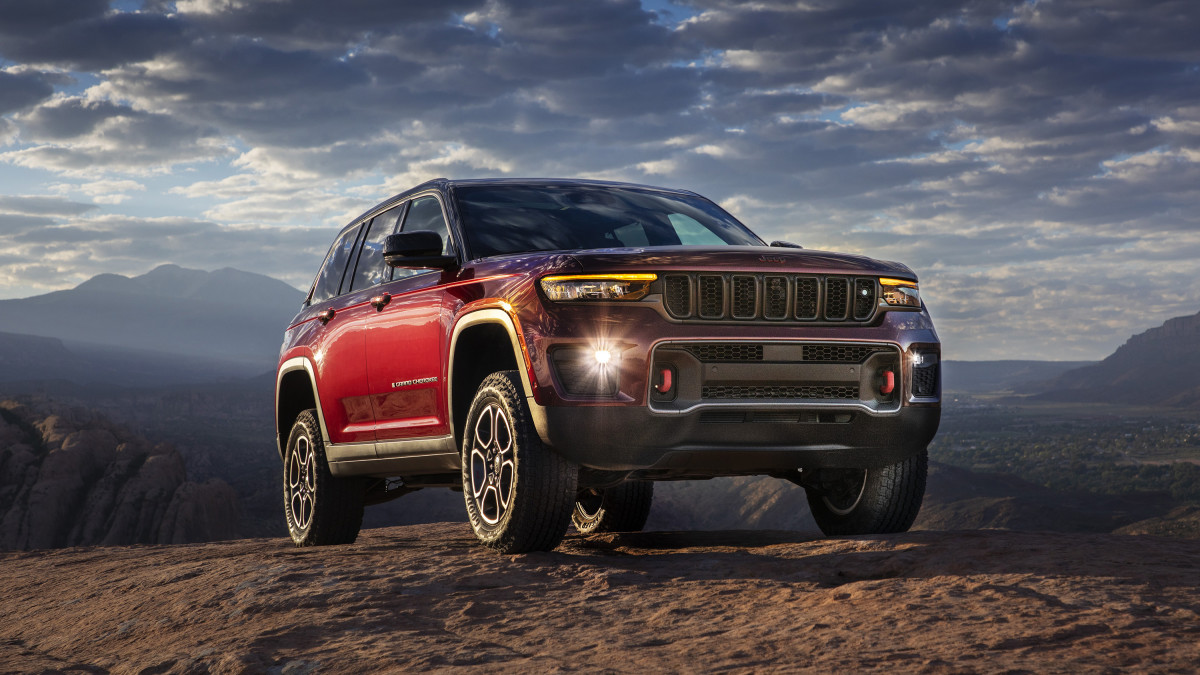
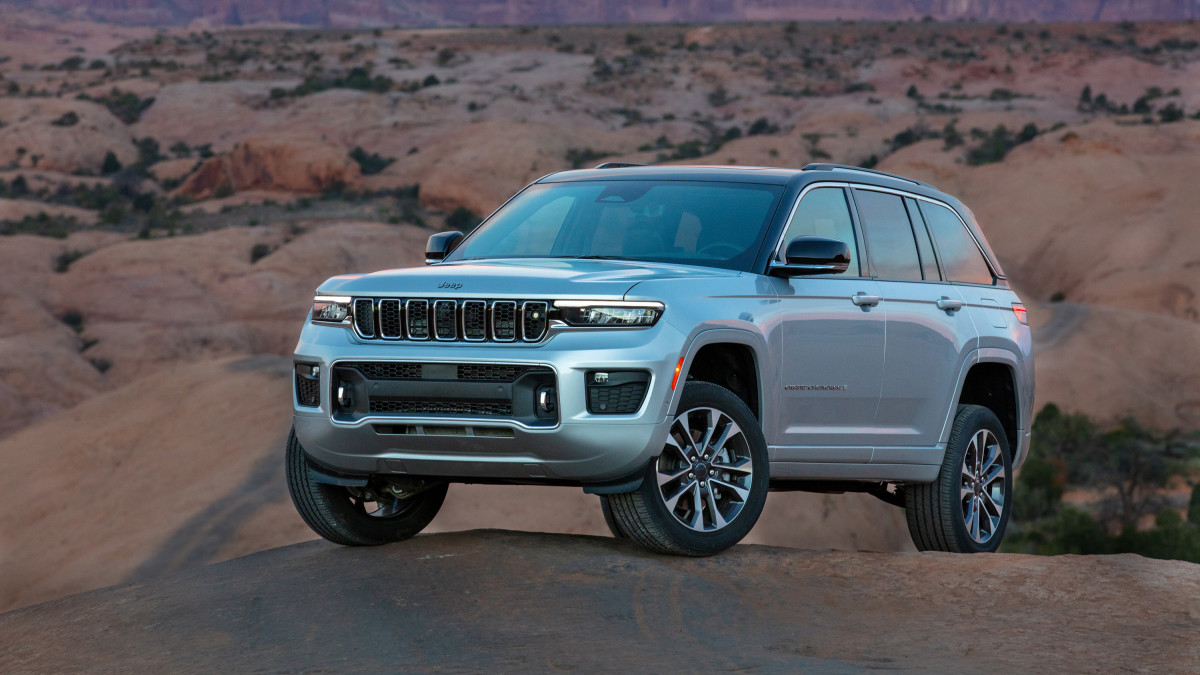
This latest recall covers specific 2021 to 2023 Grand Cherokee and Grand Cherokee L models. Jeep says some of these SUVs left the shop with a rear coil spring that wasn’t installed quite right during the first repair, or with recall work that never actually got finished.
What Went Wrong, and What Happens Next
The problem is simple but serious: if the rear coil spring isn’t seated properly, it can eventually work itself loose. If that happens while driving, the spring could end up on the road, putting other drivers at risk – not just the people inside the Jeep.
This isn’t about a bad part or a defective batch. The real issue is how some of these Jeeps were fixed the first time. In some cases, the spring isolator wasn’t installed the way it should have been. In others, the paperwork shows the recall work was never fully done at all.
Dealers will inspect the rear suspension and correct the spring installation as needed. While the repair is straightforward, the need for a second recall highlights the importance of proper execution. Owner notifications will begin in phases starting in early 2026, with repairs provided at no charge.
Repeat Recalls Are Becoming Normal
This situation is not unique. Recalls to address previous recall repairs are becoming more common across the industry, driven by increased regulatory oversight, improved data collection, and longer vehicle lifespans.
Toyota, for example, has had to reissue recalls on certain Tundra pickups after backup camera fixes failed to hold up over time. In those cases, software updates or hardware replacements did not consistently solve the underlying problem, sending trucks back to dealers more than once.
For automakers, repeat recalls are a headache for their reputation. For owners, it’s just another hassle on top of a problem that was supposed to be fixed already. I mean, I think it’s not too much to expect that an issue should have been resolved the first time, right?
Jeep


There are no reviews to display.