




Breaking Range Barriers with Smart Engineering
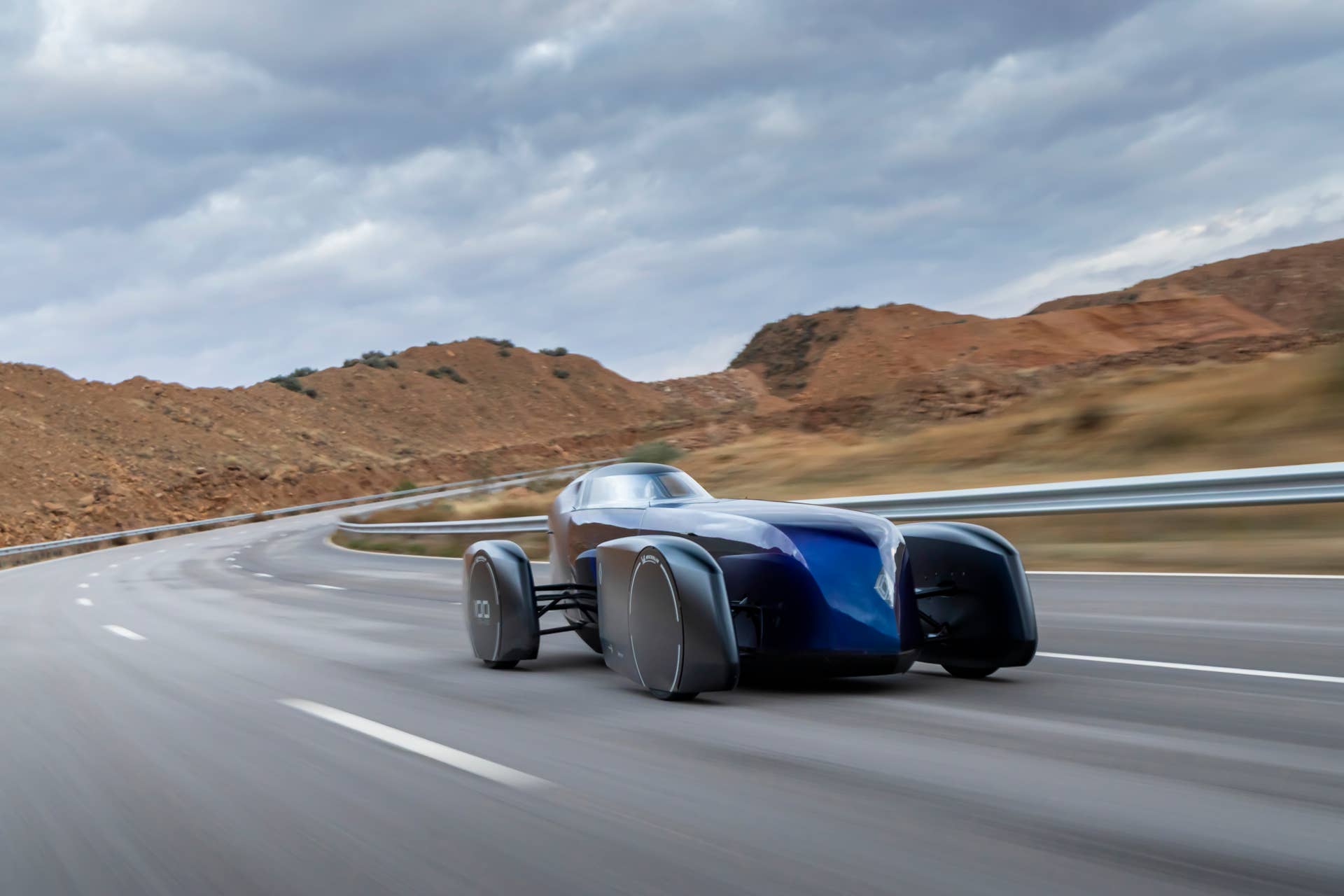
Renault has demonstrated that electric vehicles don't need massive battery packs to achieve impressive range figures. The company's Filante test vehicle just managed to drive 626 miles on a single charge, finishing the run with 11 percent battery remaining and setting an efficiency record in the process. What’s more impressive is that this figure wasn’t a hypermiling attempt; it was achieved at highway speeds, at an average of 63 mph.
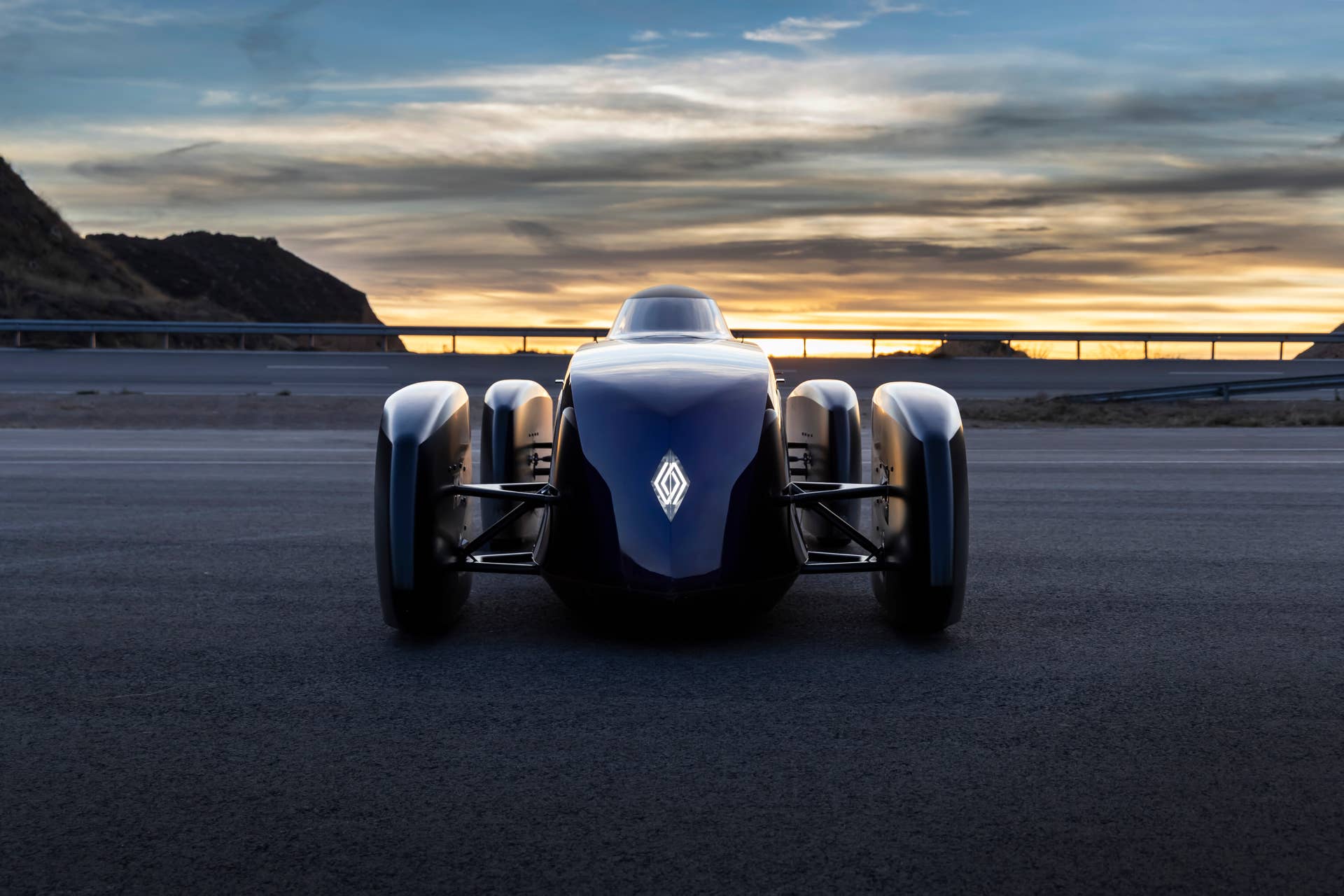
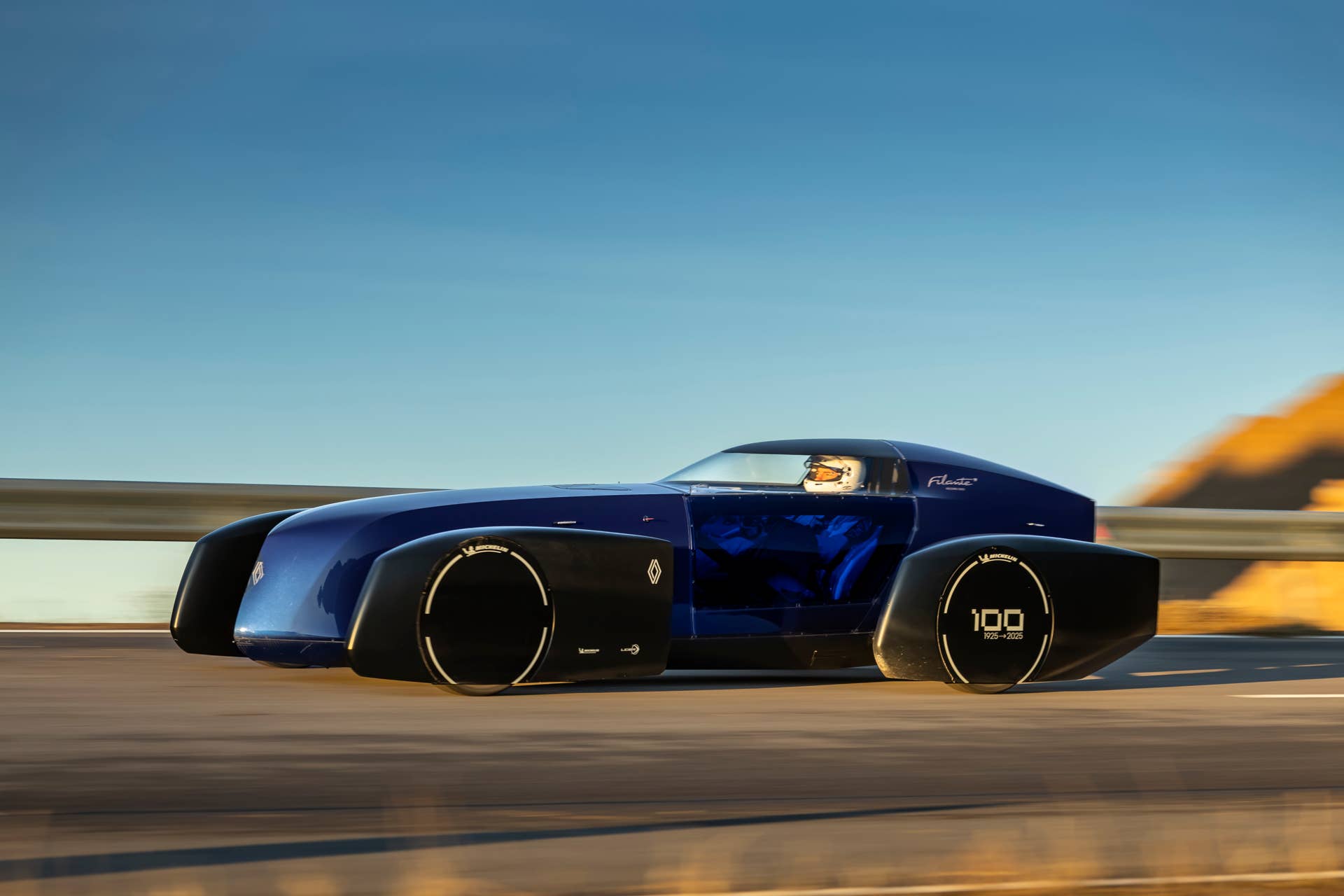
Sure, the Filante is a streamlined test vehicle weighing just 2,200 pounds, approximately half the weight of typical EVs today, but its secret lies in combining optimized aerodynamics with minimized rolling resistance. It also uses power-saving steer-by-wire and brake-by-wire systems. The result is an average efficiency of 8 miles per kWh, far exceeding even the best production EVs like the Tesla Model 3, which manage around 5 miles per kWh. This remarkable efficiency demonstrates that aero and intelligent power management can deliver results that rival simply stuffing more cells into the floor pan.
Renault
From Test Track to Production Reality
The Filante uses the same 87 kWh battery pack found in Renault production models. The Renault Scenic E-Tech electric crossover equipped with the same battery achieves approximately 380 miles under official testing conditions. During sustained highway driving, that figure typically drops by 30 percent, illustrating how far current production vehicles remain from optimal efficiency, in terms of aerodynamics, rolling resistance, and weight.
Renault’s minimalist approach matters because battery production remains resource-intensive and expensive. By maximizing efficiency, automakers can deliver competitive range figures with smaller packs, reducing manufacturing costs and the environmental impact, ultimately making for more sustainable electric vehicles.
Renault
A New Direction for EV Development?
While the Filante is an aerodynamic test platform rather than a production model, the technologies it validates will find their way into future Renault electric vehicles. The lessons learned from this record run will work their way into everything from body panel design to regenerative braking calibration. Engineers can now apply these findings to vehicles that consumers will actually drive, improving real-world range without adding weight or cost through bigger batteries.
Renault
For consumers, this could mean future EVs that cost less, charge faster due to smaller batteries, and still deliver the range needed for daily driving and longer journeys. The Filante project proves the concept works.


There are no reviews to display.