




A V12 in an EV World
Rolls-Royce is in an interesting position right now. The all-electric Spectre is already on the road, with a second EV in the pipeline, but early demand hasn’t quite matched expectations. That’s worth noting, since Rolls-Royce has publicly committed to going fully electric by 2030.
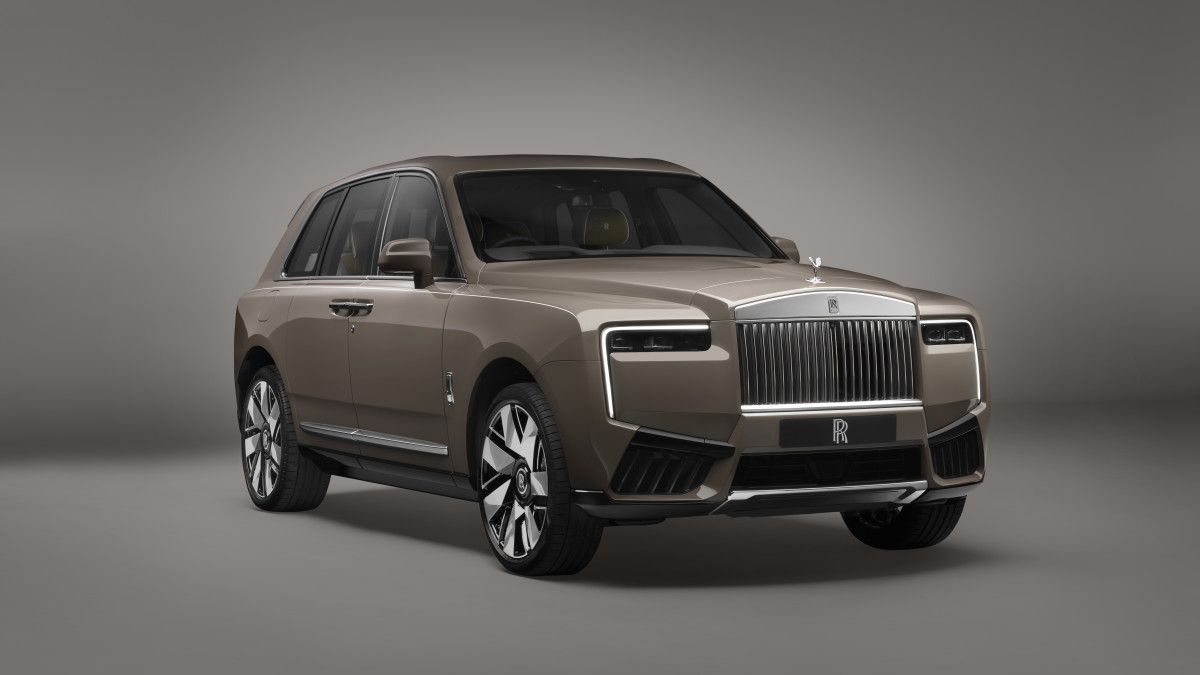
Still, electrification hasn’t shut the door on combustion just yet. According to Autocar, BMW – Rolls-Royce’s parent company – has confirmed that its current V12 can be updated to meet upcoming Euro 7 emissions standards, which are set to take effect for new passenger cars from this year onward. That means Rolls-Royce won’t face regulatory pressure to immediately retire its most iconic engine, even as its public-facing strategy continues to lean electric.
Rolls-Royce
How BMW Is Keeping Big Engines Alive
BMW’s confidence comes from planning ahead. According to Dr. Joachim Post, member of the Board of Management of BMW AG in charge of the development of future BMWs, the automaker’s Euro 7 compliance won’t need a full engine redesign. Instead, BMW is focusing on exhaust tweaks – mainly new catalytic converters and updated emissions hardware.
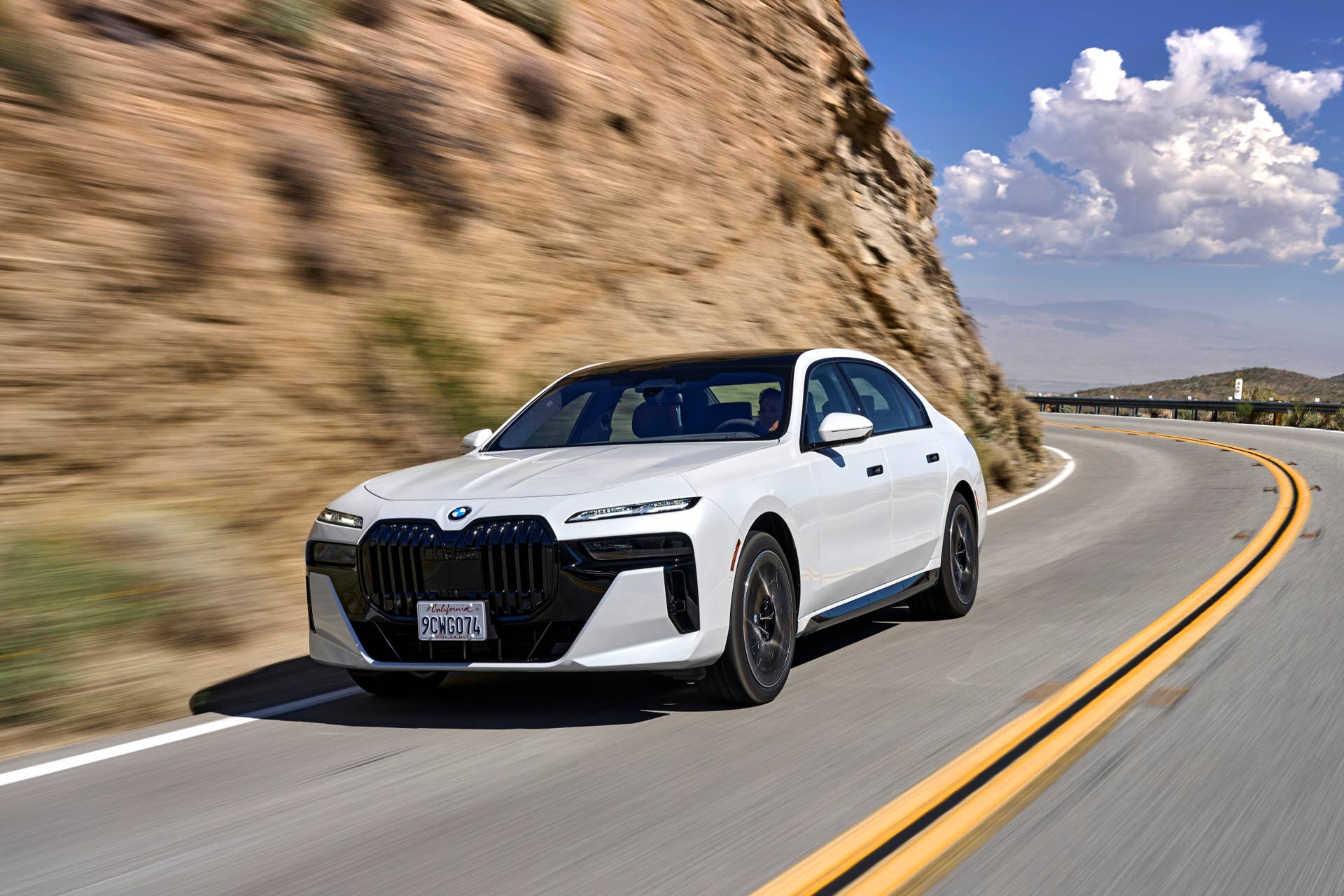
BMW has been updating its engines with stricter rules in mind, so meeting Euro 7 doesn’t require a huge investment. This benefits Rolls-Royce, but also means BMW’s next models will still offer four-, six-, eight-, and twelve-cylinder options, all ready for the new standards.
This shared approach covers everything from BMW M cars to big sedans, SUVs, and even Rolls-Royce’s low-volume models. For now, BMW sees combustion engines running alongside EVs, not being pushed out entirely. And thanks to that, combustion is very much alive for Rolls-Royce, as it is for BMW’s own models.
BMW
Europe’s Rules Are Now Softer
This strategy fits with Europe’s shifting rules. The EU still plans to ban new pure gasoline and diesel cars after 2035, but recent changes allow combustion engines that run on carbon-neutral or synthetic fuels.
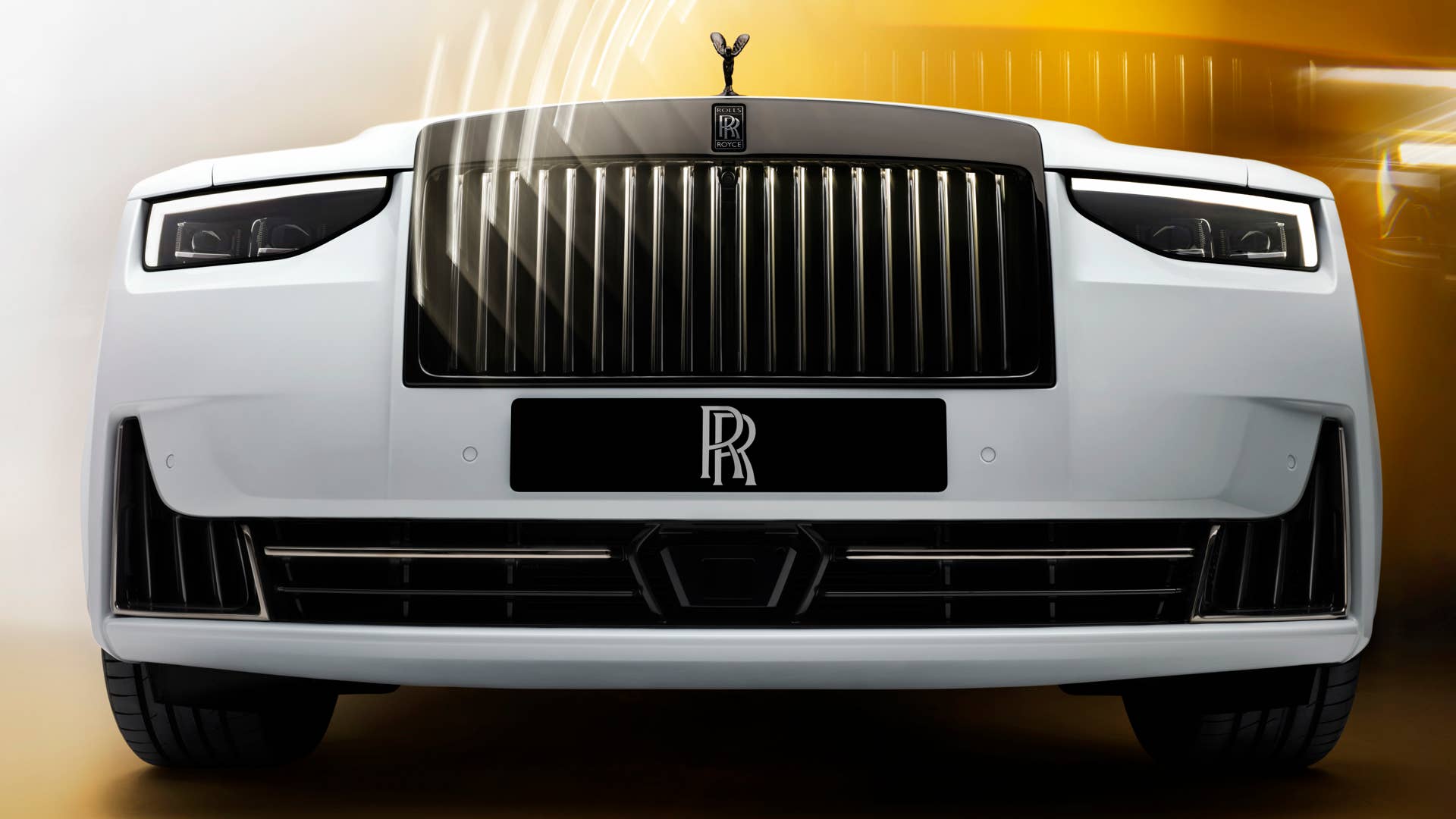
This key detail gives brands like BMW and Rolls-Royce more breathing room, especially in low-volume luxury segments where buyers aren’t always clamoring for EVs. For Rolls-Royce, it means the V12 can stick around without running afoul of the new rules – at least on paper.
The bottom line: the move to EVs isn’t as straightforward as it once seemed. For established luxury brands, this extra window could be just enough to keep engines like the V12 alive a little longer.
Rolls-Royce


There are no reviews to display.