


Euro NCAP Pushes Back on “Safety Equals Higher Prices” Narrative
Euro NCAP is pushing back against a familiar industry refrain: that advanced driver-assistance systems are driving up vehicle prices. In an interview with Australia's Drive, secretary-general Michiel van Ratingen stopped short of directly accusing automakers, but made it clear the organization does not design its protocols to inflate costs.
“Costs are a very important aspect of the whole discussion,” he said, emphasizing that Euro NCAP’s 2026 and 2029 roadmaps are deliberately shifting away from simply mandating more hardware.
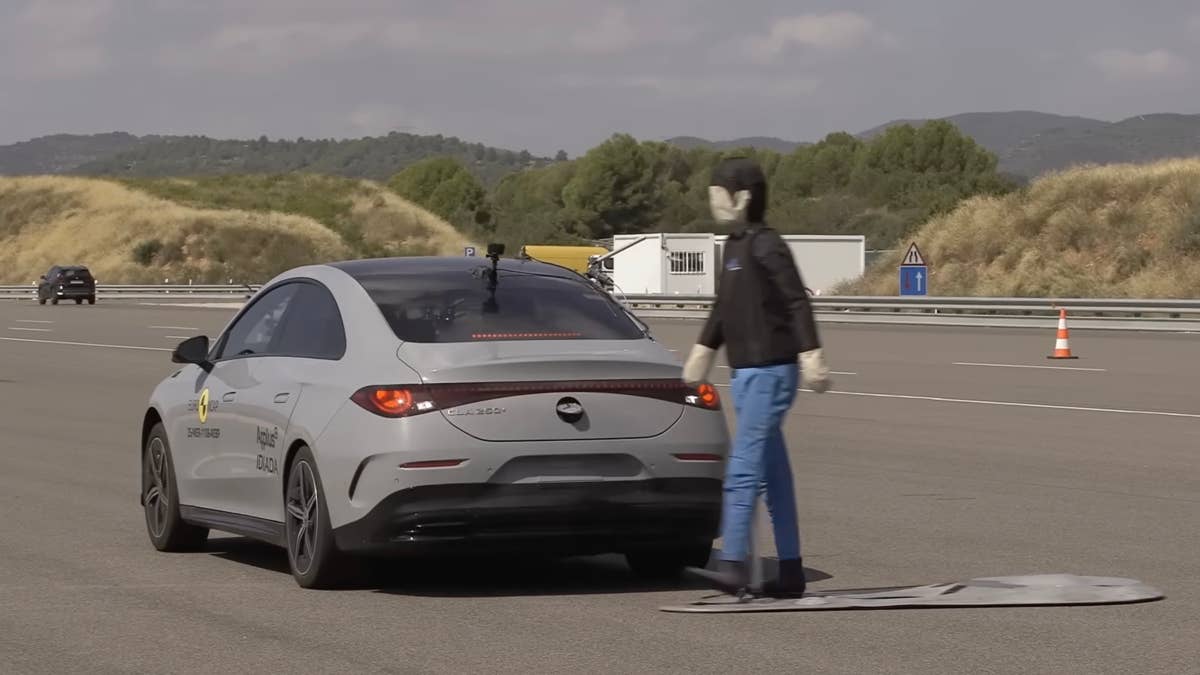
Instead, the focus is now on system integration, getting existing sensors and safety features to work cohesively. Van Ratingen noted that many modern vehicles already carry the necessary hardware; the real gains lie in optimizing software and coordination. That pivot, he argues, should reduce the need for costly additions while still improving safety outcomes, thereby undermining claims that stricter crash-test criteria inherently lead to price hikes.
Euro NCAP/YouTube
Debunking the Cost Myth
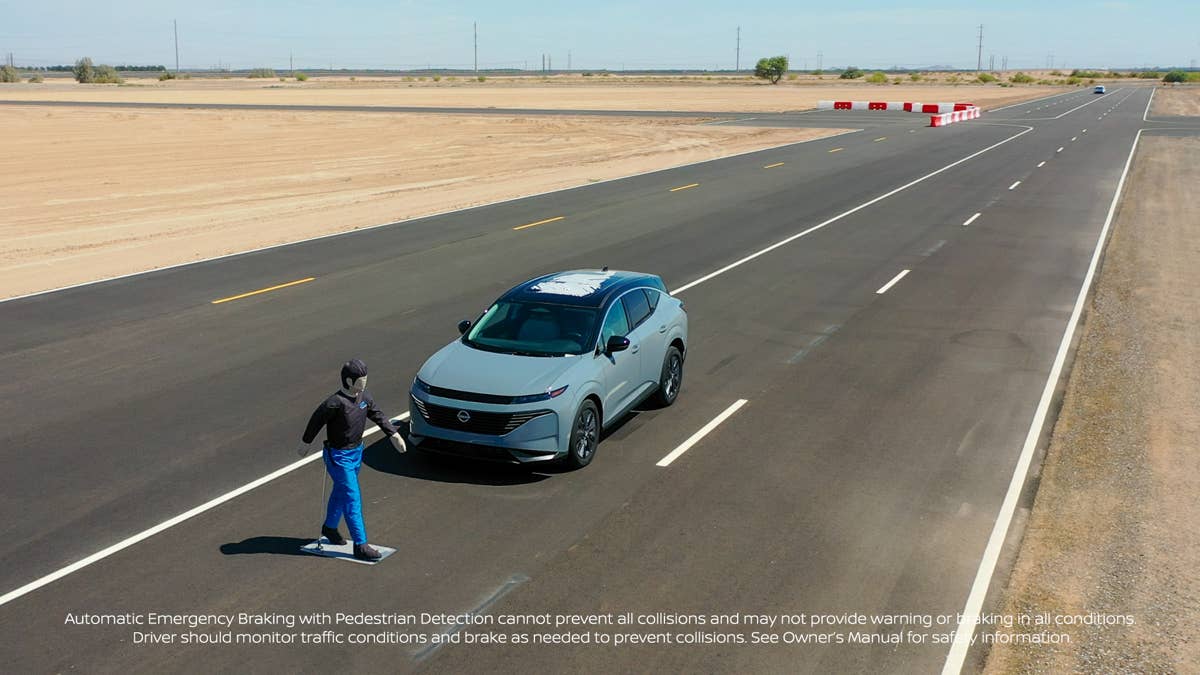
The interview aligns with a broader industry analysis, which argues that blaming safety tech for rising car prices is overly simplistic. While features like AEB, lane-keep assist, and blind-spot monitoring do add cost, they are only one variable in a much larger equation. Vehicles today are larger, more complex, and packed with infotainment, electrification components, and connectivity systems, all of which contribute significantly to pricing.
There’s also a financial dimension. As buyers increasingly accept longer loan terms, automakers and lenders gain more flexibility to push transaction prices higher without immediately shocking monthly payments. Combine that with global factors like supply chain volatility and currency fluctuations, and the narrative that safety tech alone is responsible for the situation starts to look more like convenient scapegoating than economic reality.
Nissan
Democratize Safety, Don’t Monetize It
Van Ratingen’s most compelling argument is rooted in scale economics: safety tech should get cheaper, not more expensive, as adoption widens.
“Democratize it,” he said, stressing that widespread implementation across brands will naturally drive costs down. This is consistent with how most automotive technologies evolve, from premium-only features to standard equipment once production volumes rise and supplier costs fall.
There’s also evidence that safety tech can offset costs elsewhere. A study cited by Mazdasuggests advanced safety systems can reduce insurance claims, which in turn lowers premiums for owners. That creates a downstream financial benefit that rarely enters the pricing debate.
If anything, positioning safety as a cost burden ignores its potential to deliver long-term savings. The more credible stance is that automakers should absorb early development costs and scale the tech efficiently, because using safety as a justification for perpetual price increases doesn’t hold up under scrutiny.


There are no reviews to display.