



Cars Aren't Getting Any Cheaper
How much is the average price of new cars these days, you ask? It's now at over $50,000, which is a huge jump from about five years ago. It's mainly driven by EVs and the barrage of new models from luxury automakers, but the additional standard features are also a factor here.
We're admittedly spoiled for equipment these days. We were all content with Bluetooth connectivity, but we now live in a time where people scoff at the lack of wireless CarPlay and the like. We also get far more advanced safety systems that were once reserved for plutocrat sedans, along with more convenience features that have become the norm.
But the more stuff we put in cars, it inevitably drives up prices. Now, the government wants to step in to curb the rising MSRPs.
Safety Mandates Hurt Affordability, Says the Senate
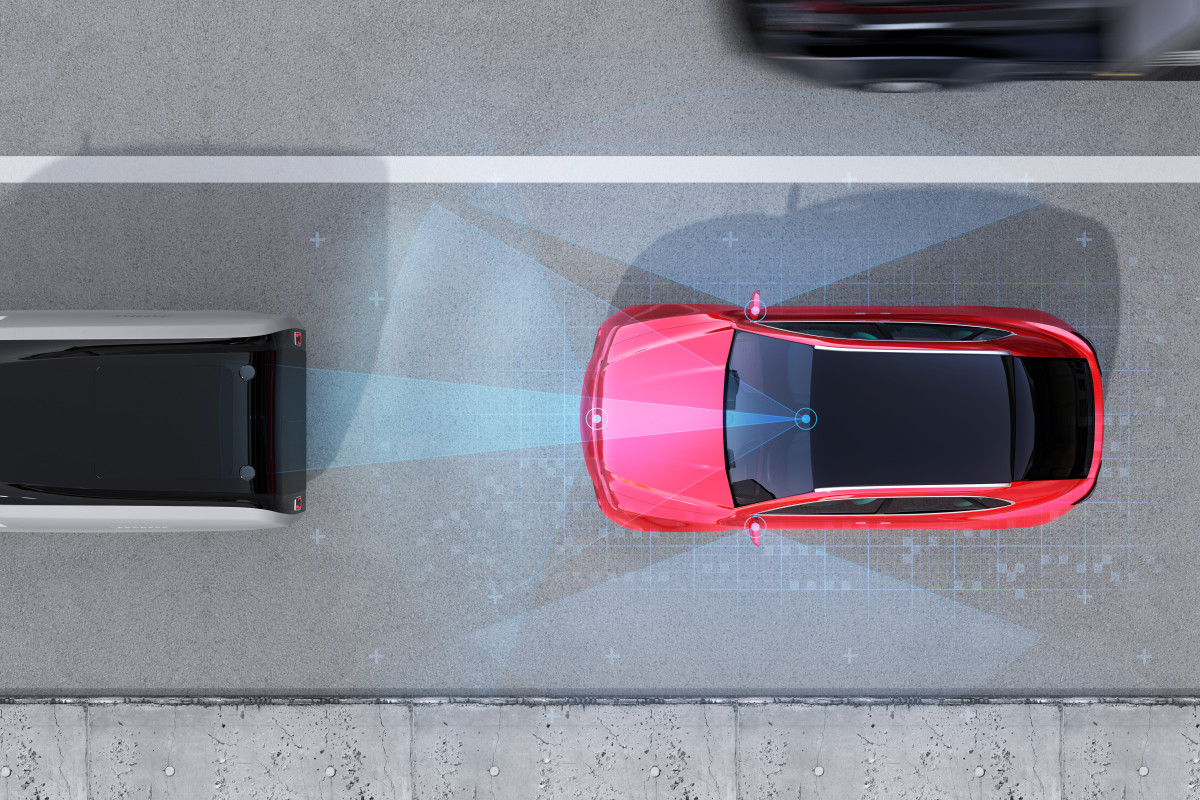
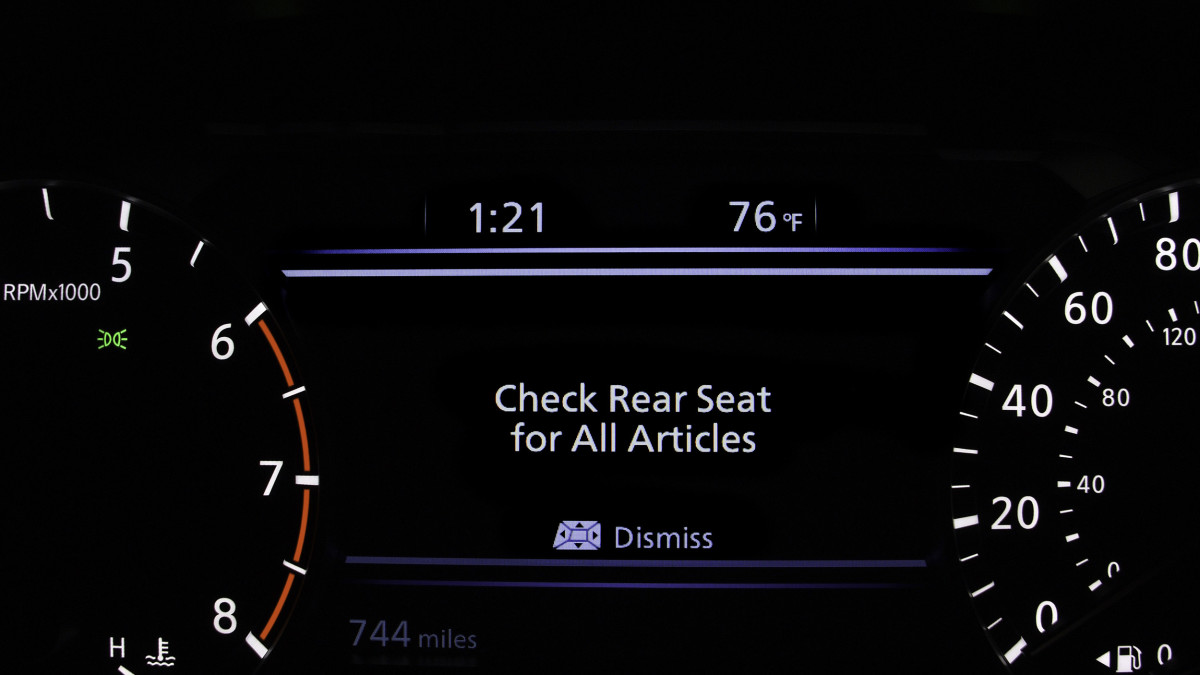
In a report from The Wall Street Journal, a Senate committee has been tasked with challenging the mandates currently set in place. The hearing will be held in January, with Senate Republicans questioning the need for features such as rear occupant reminders and autonomous emergency braking.
The hearing will be held on January 14, 2026, by the Senate Committee on Commerce, Science, and Transportation. There, the panel will ask key automakers why cars are getting more expensive. The CEOs of Ford, General Motors, and Stellantis have been summoned for the hearing, as well as a senior executive from Tesla.
The Argument
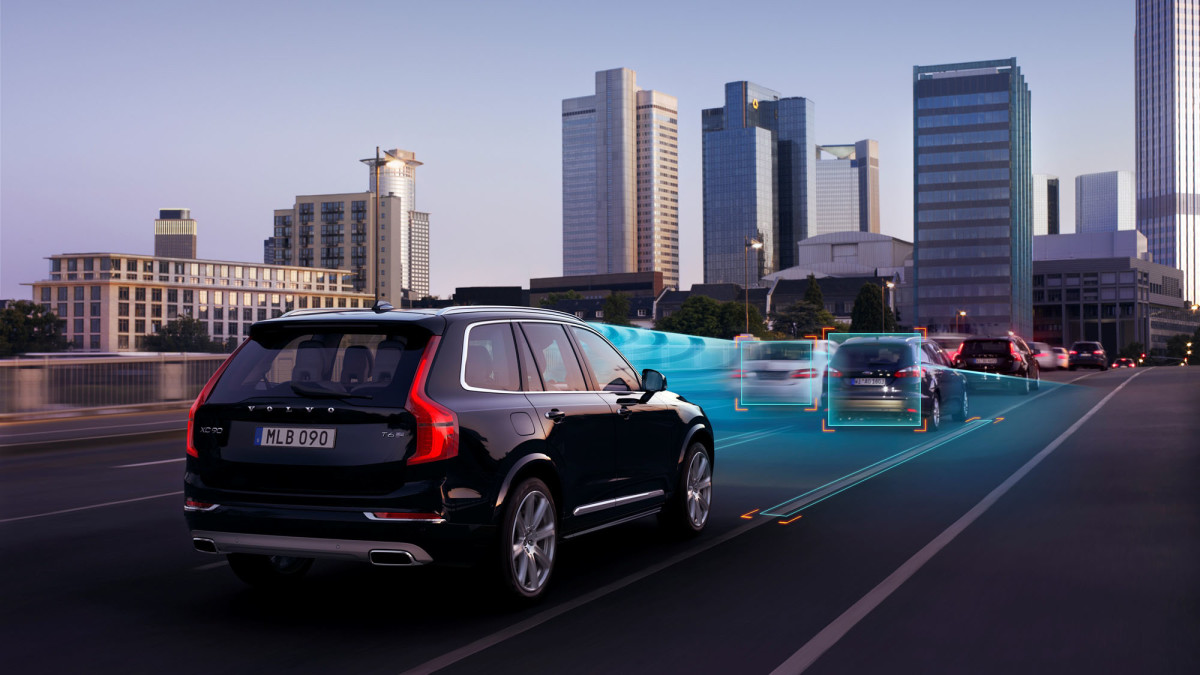
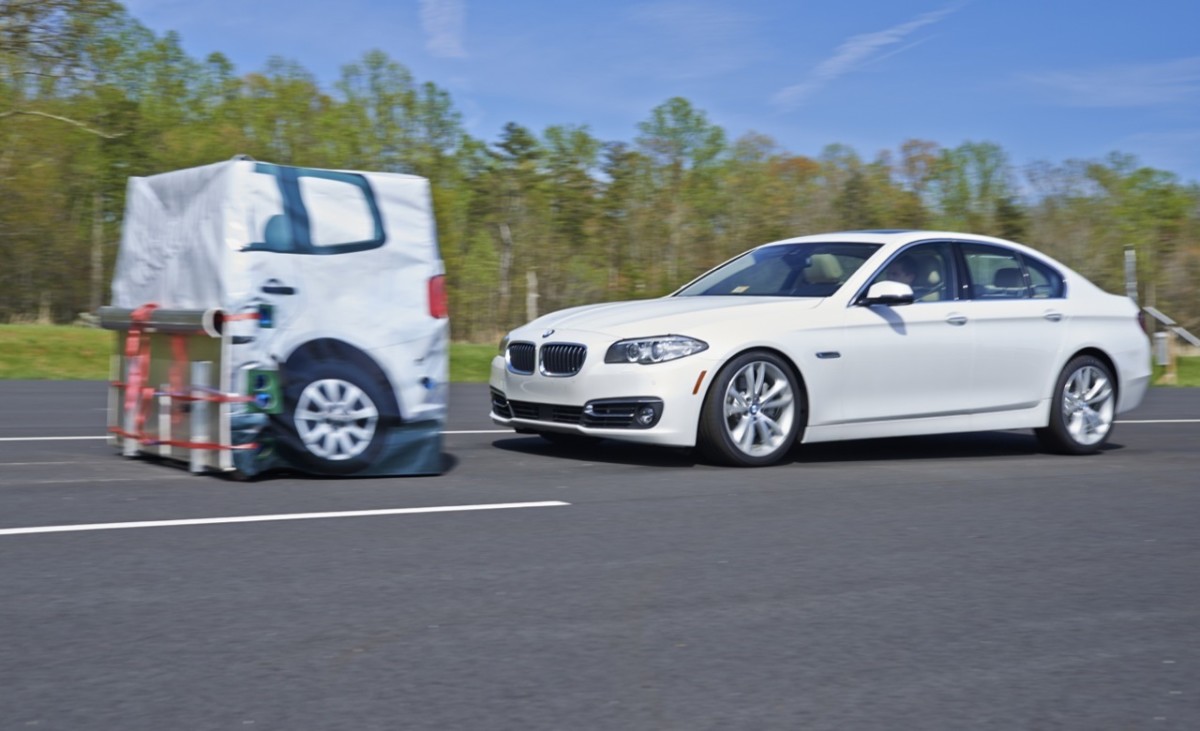
Per WSJ, the committee argues that new safety tech doesn't offer as much benefit compared to seatbelts and vehicle crashworthiness. They also argue that the sensors used for advanced driver-assist systems are expensive to repair. Autonomous emergency braking systems were also called out, as they could allegedly cause more rear-end collisions than without them.
“Americans have been clear that they are hyper-focused on affordability,” said Sen. Ted Cruz (R., Texas). Reducing the number of features in cars will lower costs, for sure, but safety groups and advocates have stated some counterpoints.
Volvo
Counterpoints
A spokesperson of the Insurance Institute for Highway Safety (IIHS) said, "Regulation is the best way to make sure everybody’s got this technology that’s highly effective." The agency not only rates crashworthiness but also the performance of advanced driver-assist systems.
It's no secret that automakers and regulators don't always see each other eye to eye. That said, these features have helped prevent accidents from happening in the first place and have the potential to do so in the future. A study conducted by the AAA Foundation for Traffic Safety estimates that about 37 million crashes, 14 million injuries, and 250,000 deaths could be prevented by 2050.
It will be interesting to see how the hearing goes. So far, only the US has questioned the safety of advanced driver-assist systems, while the rest of the world has adopted them. That said, there is a fine line between assists and relying on them so much that it diminishes driver accountability.
Insurance Institute For Highway Safety


There are no reviews to display.