


Back to the '70s?
With conflict raging in the Middle East yet again, there's bound to be rippling effects across the world from trade to energy. Following U.S. air strikes over Iran, the latter has retaliated by closing down the Strait of Hormuz. To oversimplify things, it could trigger yet another energy crisis.
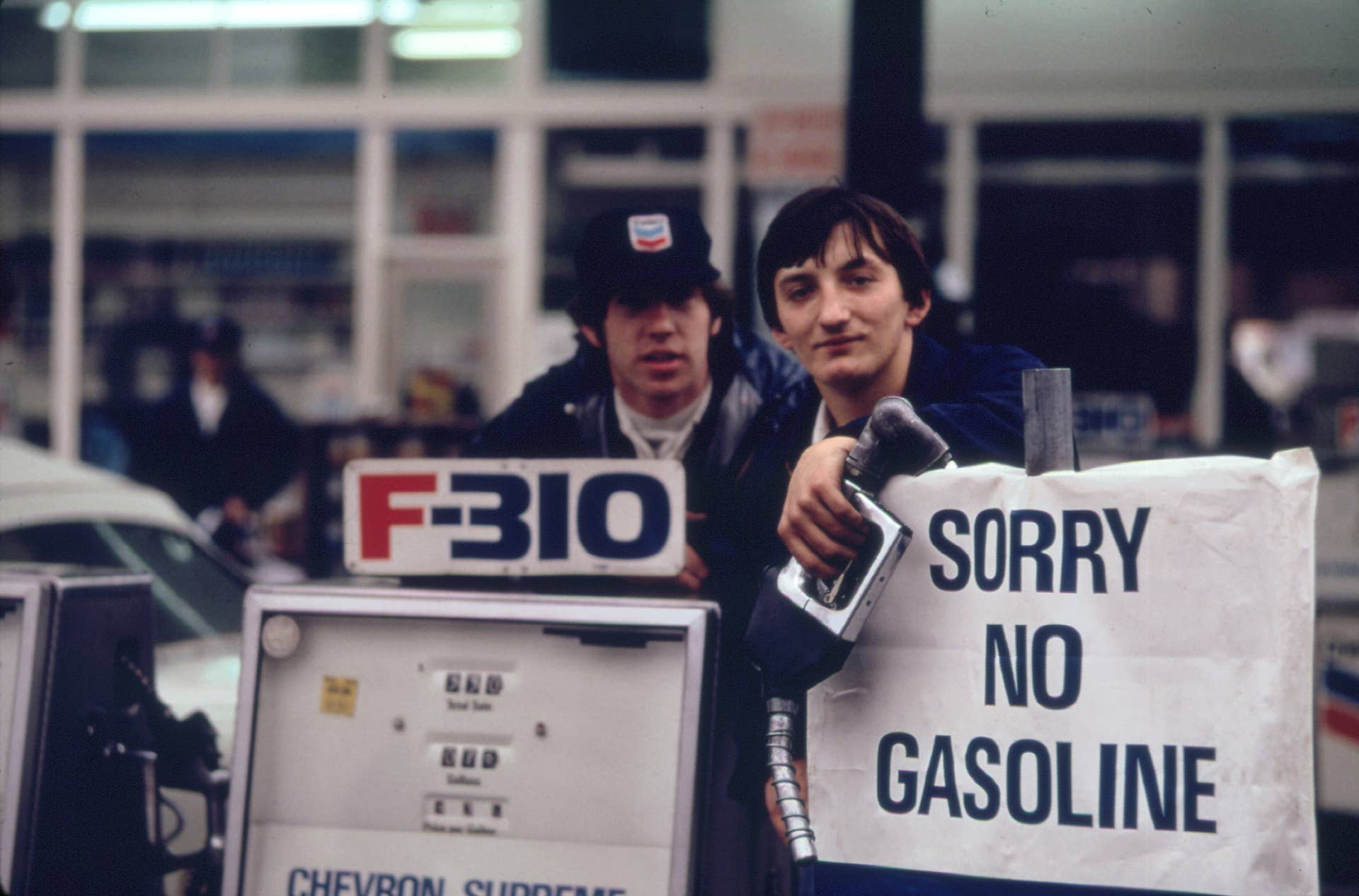
If so, we might experience something similar to the '70s, wherein successive oil crises heavily impacted the export of oil from the Middle East. The U.S. wasn't the only country affected by the embargoes in place at the time, and they also changed the course of automotive history. Once again, it's Iran that's in the middle of it all.
HUM Images/Universal Images Group via Getty Images
Strait of Hormuz: Its Significance
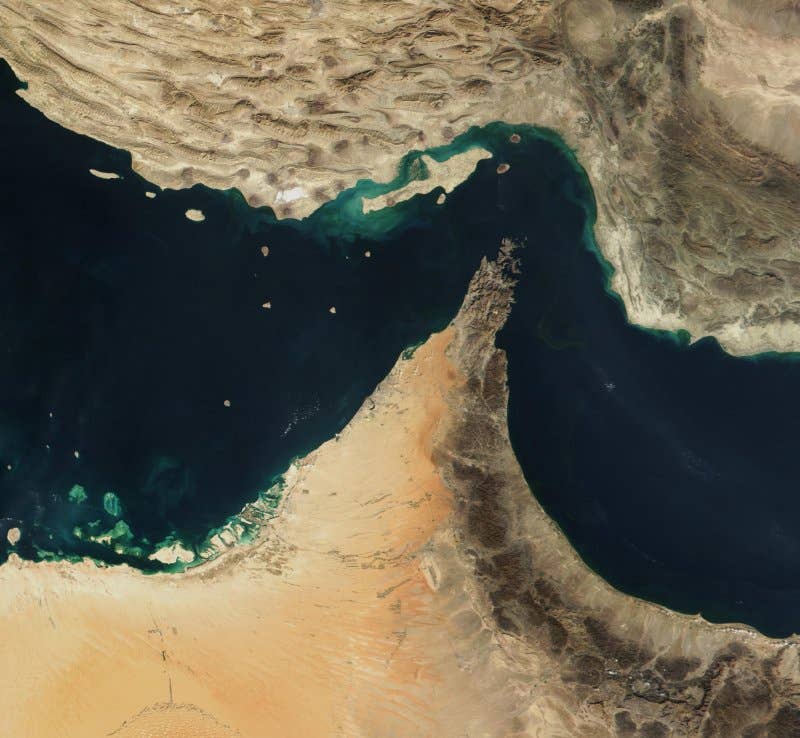
The Strait of Hormuz is located between the Persian Gulf and the Gulf of Oman. It's essentially the gateway to the Persian Gulf from the open seas and a strategic choke point for a significant share of the world's oil exports. Aside from Iran, oil-producing nations such as Iraq, Saudi Arabia, and the United Arab Emirates use the strait to export liquid gold from their respective countries.
According to the U.S. Energy Information Administration (EIA), it's the world's most important strait, with about 20 percent of oil traded globally passing through there. The EIA adds that 35 percent of seaborne traded crude oil traverses the strait. Data analytics company Kpler also stated that 13 million barrels per day moved through it in 2025. Any disruptions there are bound to have immediate effects on the world's crude oil supply chain.
The Longer it's Closed, the Worse it Gets
We're already beginning to see the effects of the closure. At the time of writing, Brent crude rose about 7 percent, pushing prices to $78.25 per barrel. The Guardian notes that up to 15 million barrels of crude oil could be blocked from reaching their destination – per day.
Within just a few days after the initial strikes, prices per barrel have already jumped by a significant margin, and it'll only keep on climbing the longer the strait remains closed. Per CBS News, President Donald Trump said the whole operation should take 'four weeks or less,' or 'until all of our objectives are achieved.'
Alternate routes are available, but the volatile situation in the Middle East isn't helping matters. It'll be more expensive to transport, for starters, and taking the Red Sea isn't exactly the safest option, either. With the way things are going, experts fear the possibility of crude oil reaching — or even breaching — the $ 100-per-barrel mark. If so, plans to loosen federal fuel efficiency standards could take a back seat if push comes to shove.
High Demand, Choked Supply
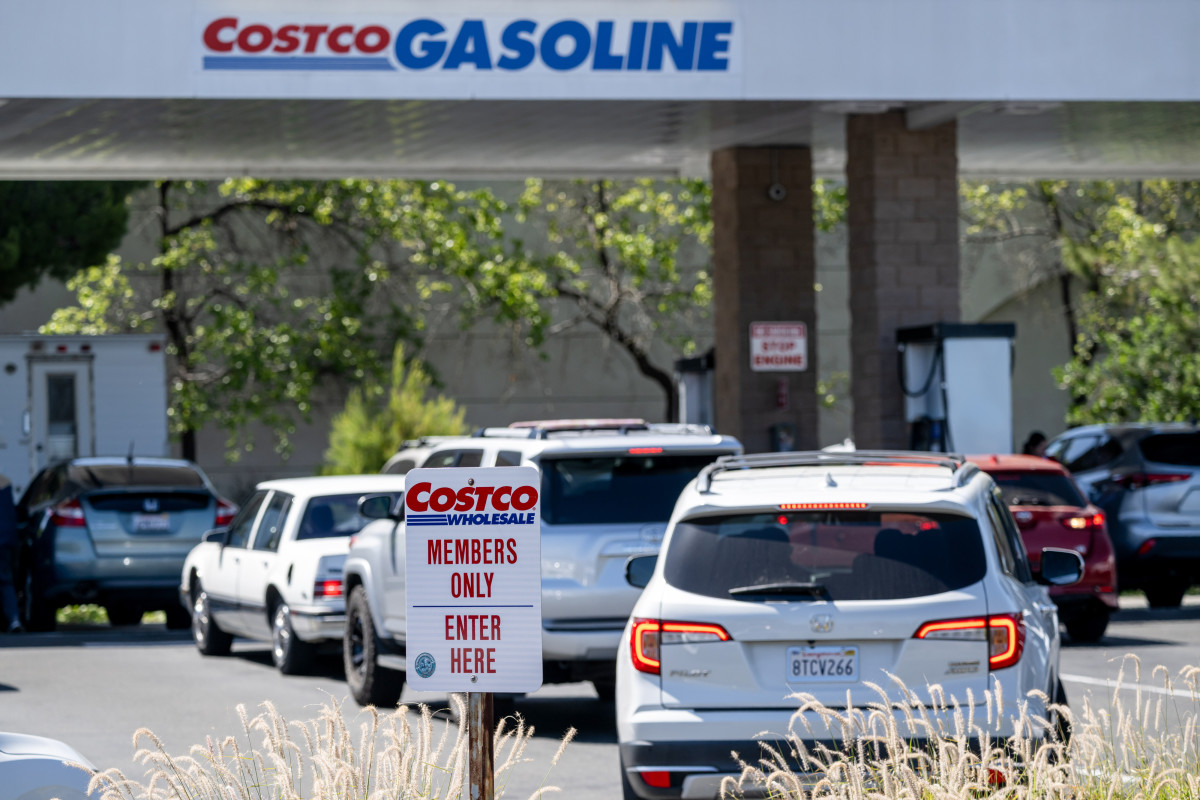
Oil is a commodity that keeps the world spinning. Given how crucial it is, there's bound to be a bidding war over every barrel that can potentially drive prices to new highs. That said, some oil-producing nations agreed to increase supply to some degree, but that solution will only curb the inevitable price hikes.
We're still far from the dark days of long gas station queues and odd-even rationing that afflicted the '70s. But for as long as the Strait of Hormuz remains closed, the U.S, as well as the world, could hurtle quickly into a part of history it would rather not repeat.
Getty Images


There are no reviews to display.