




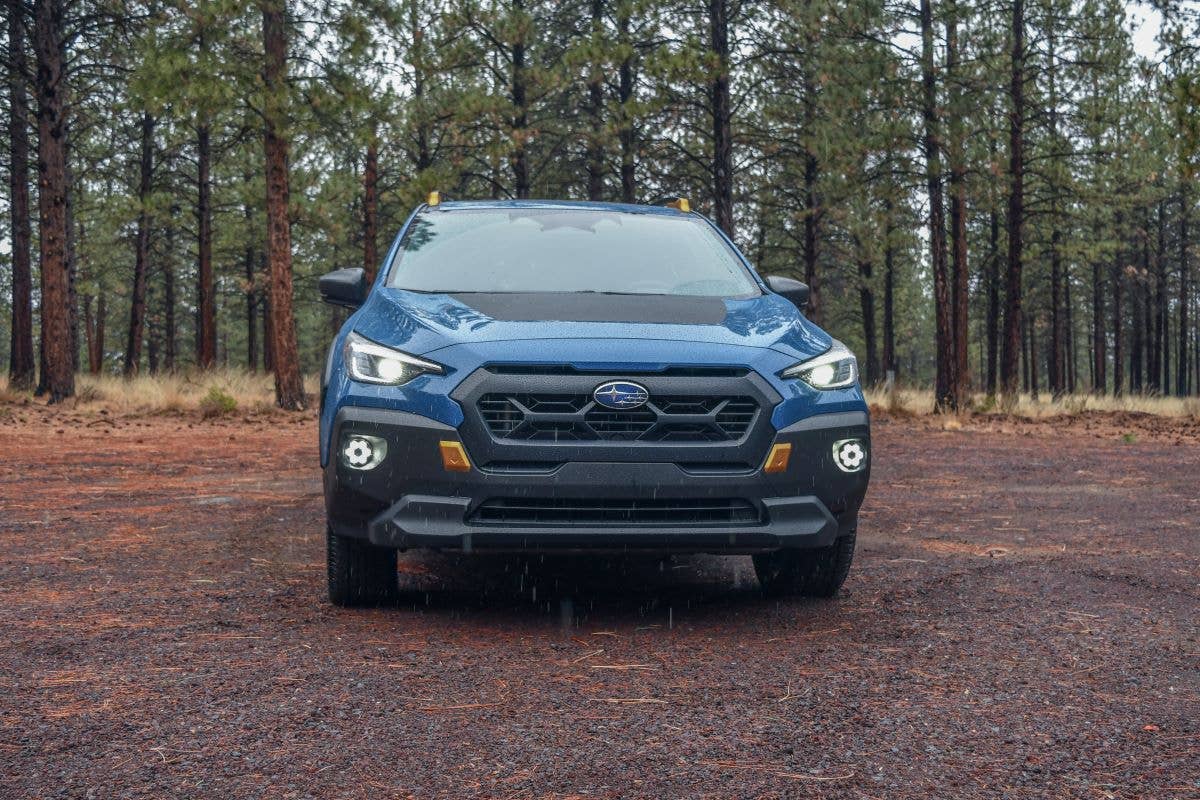
For the second year in a row, Subaru came in as the top-ranked marque in the annual Consumer Reports Auto Brand Report Card, the non-profit publication has announced. The Japanese automaker outranked not only Toyota and Honda – competitors normally known for their quality and reliability – but high-line luxury brands like Porsche, Mercedes-Benz, Lexus and second-ranked BMW.
Kristen Brown
Related: The Toyota That Refuses to Die — Meet the Industry’s Longevity King
Asian brands generally dominated the annual study, while domestic U.S. brands – with a few exceptions -- largely lagged behind the rest of the industry. Surprisingly, many mainstream brands matched, and even exceeded, the performance of top-tier luxury marques.
Behind the Numbers
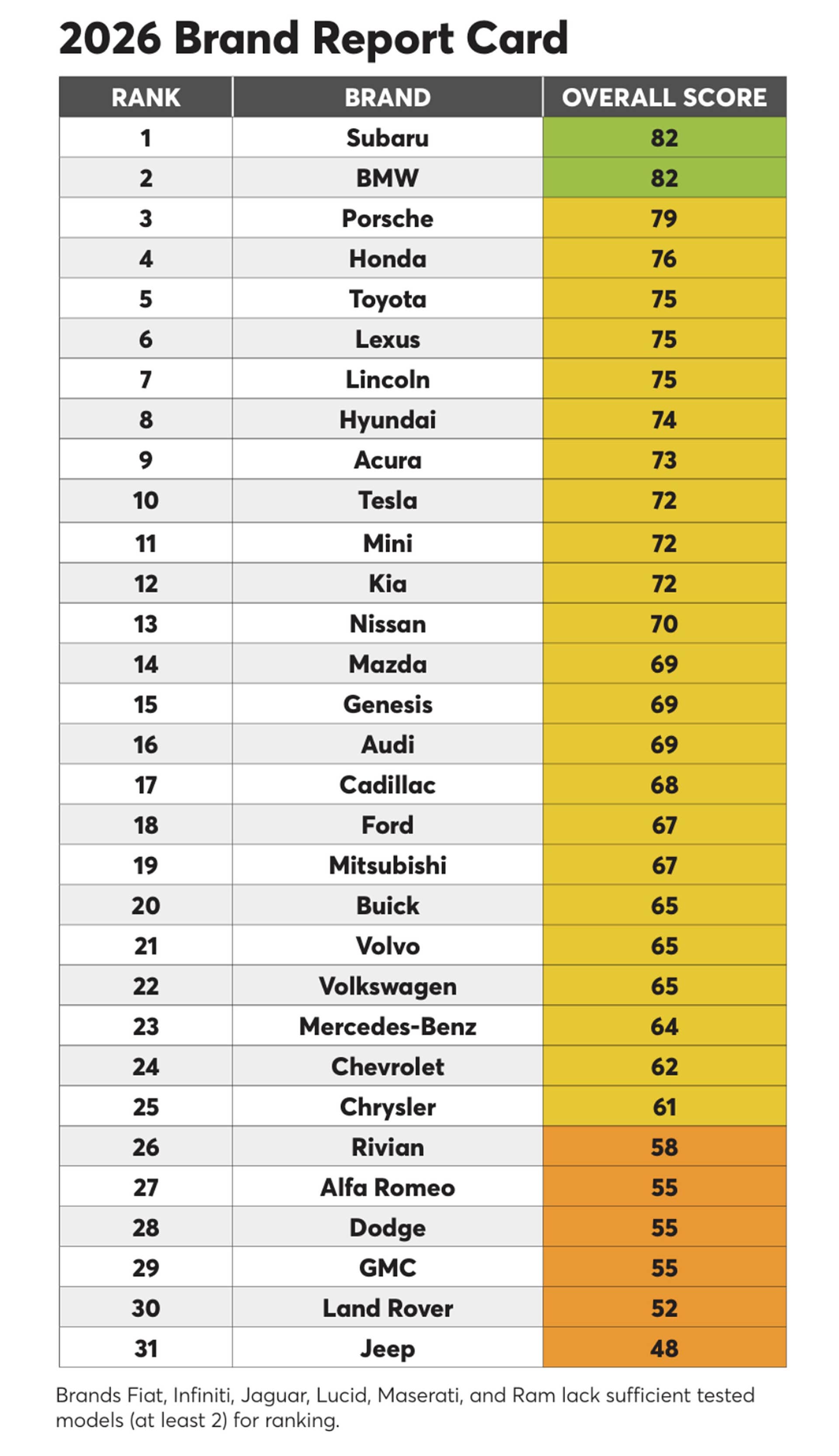
The Auto Brand Report Card takes into account a variety of factors, including “CR’s road-test scores, predicted reliability and owner satisfaction from survey data, and safety ratings for all tested models from each automaker,” the non-profit organization explained.
Using that metric, Subaru came in tops for the second consecutive year – and the third time in the last half-decade. BMW came in a close second, followed by Porsche, Honda, Toyota, Lexus, Lincoln, Hyundai, Acura and, rounding out the top 10, Tesla. The upstart EV manufacturer made one of the biggest year-over-year jumps, CR noted, largely due to improvements in reliability.
Related: Tesla Model Y Posts Worst Defect Rate of Any New Car in a Decade
Reliability Rankings
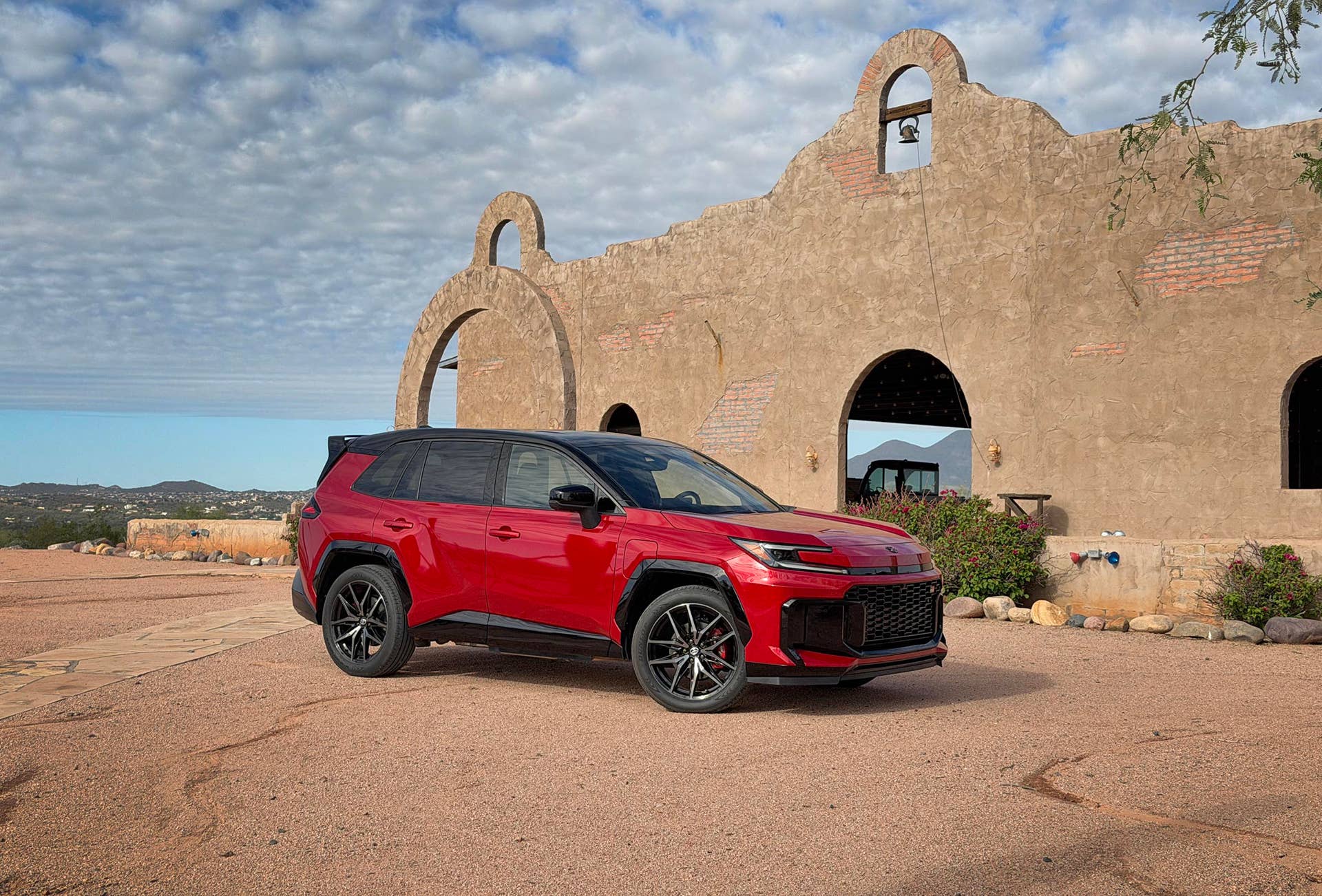
While CR takes a variety of different factors into consideration when it comes to marking up the annual report card, reliability is clearly something that motorists tend to watch closely. And, here, the results were a bit different. Toyota lived up to its long-standing reputation for delivering industry-leading quality and reliability, though Subaru came in second in this category, followed by Lexus, Honda and BMW – again demonstrating the improvements mainstream brands have made in recent years.
Part of the challenge for luxury brands, according to industry analysts, is the fact that they typical come equipped with a wide range of features, including the latest digital technologies. Other studies, such as the J.D. Power Initial Quality Study, have routinely found that high-tech features, such as navigation and voice control, are today the source of far more owner complaints than traditional concerns about faulty engines and transmissions, body misfits and wind noise.
For those shoppers focused on reliability, “Our surveys continue to show that the slow and steady approach to vehicle redesigns pays dividends for reliability, while more aggressive changes and the introduction of new technologies often lead to setbacks,” said Jake Fisher, senior director of auto testing for Consumer Reports. “For reliability-conscious car shoppers, the best bet is to steer clear of newly-introduced or newly-redesigned vehicles in their initial model year, as that’s when they are almost always the most problematic.”
Winners and Losers
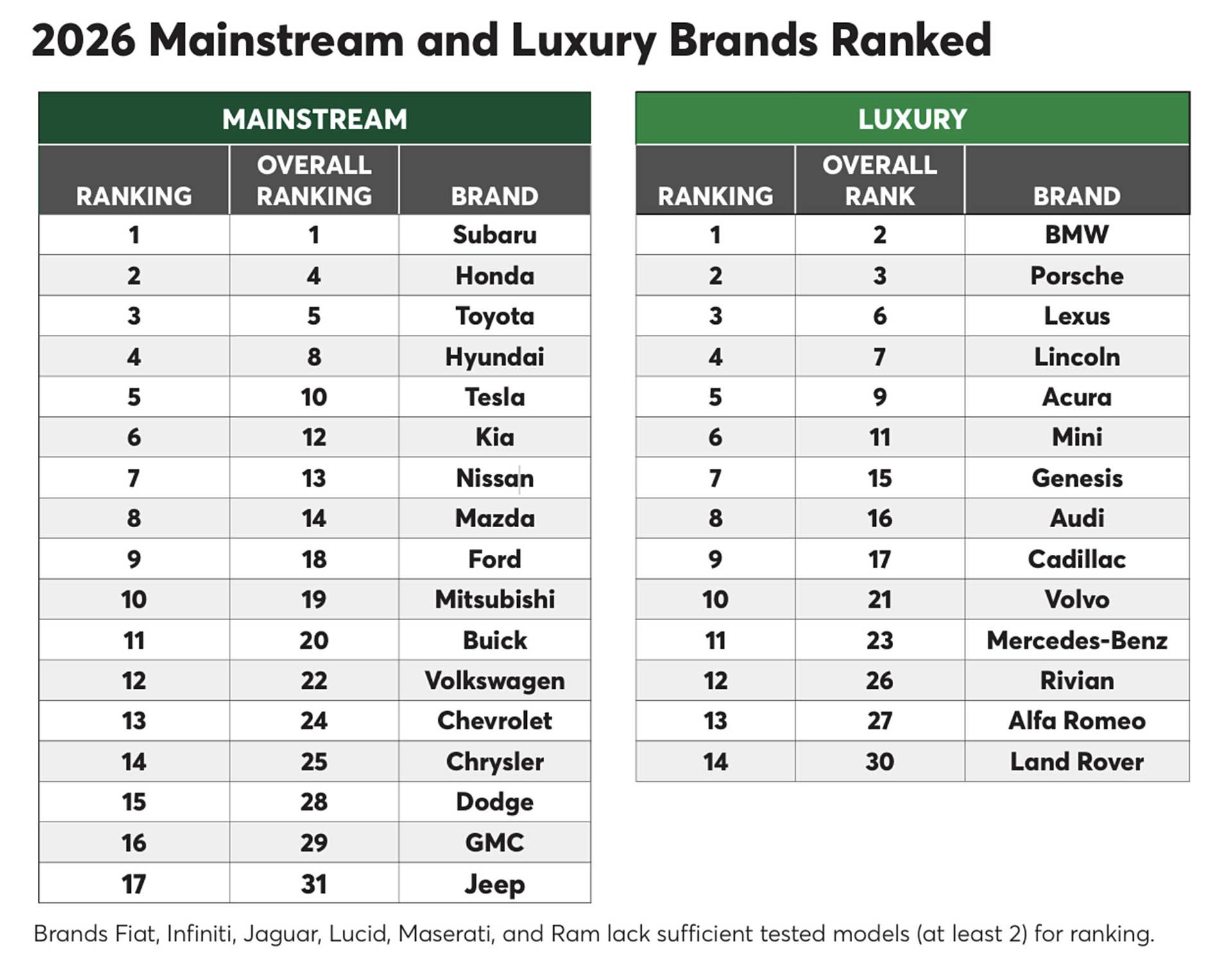
By virtually all the metrics used by Consumer Reports, Japanese brands tended to come out on top in this year’s report card. They accounted for five of the top 10 brands overall. That said, Mazda and Mitsubishi tarnished the Japanese halo. Mazda, in particular, faced some serious reliability issues with the conventional and plug-in hybrid versions of its flagship CX-70 and CX-90 models.
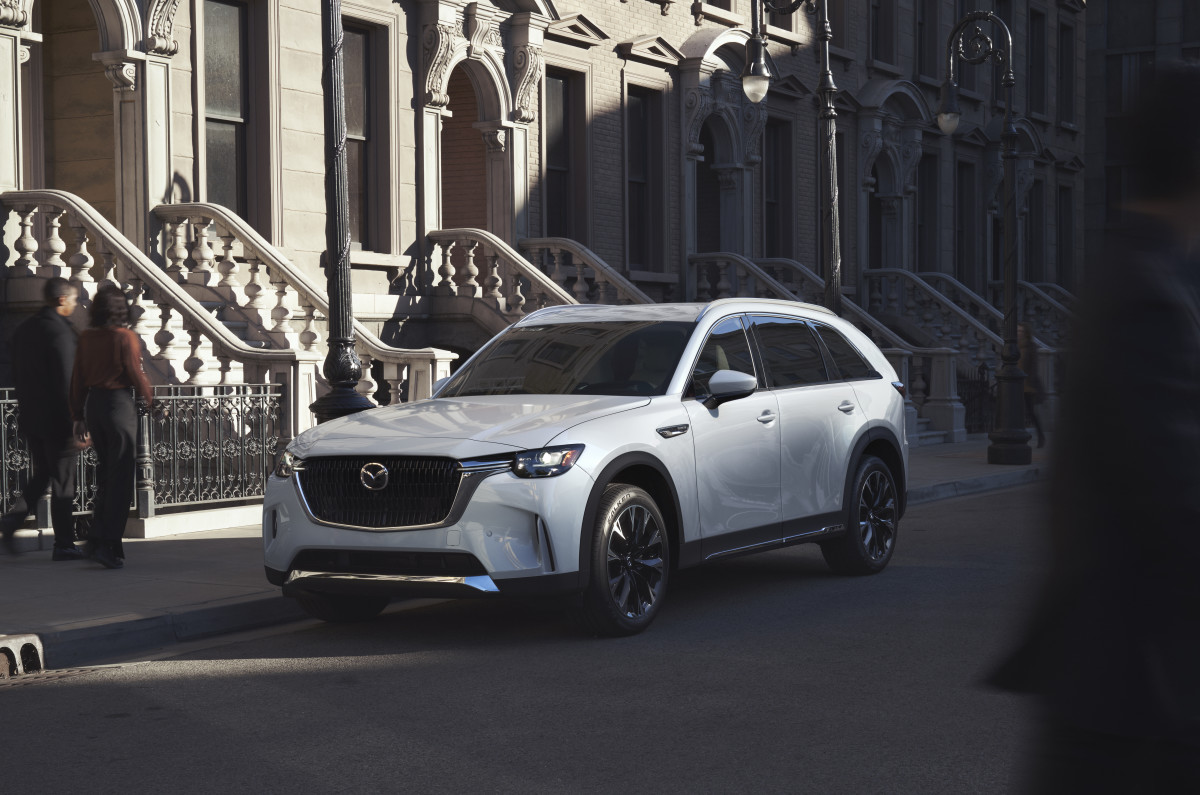
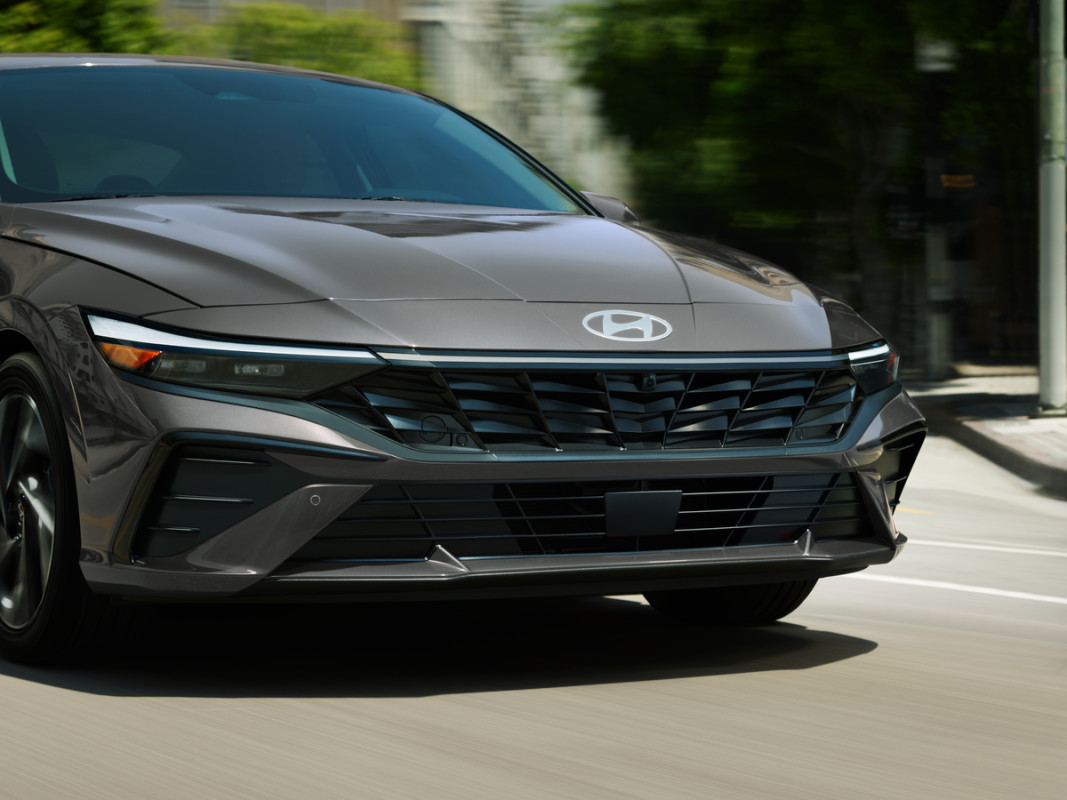
Only two European brands, BMW and Porsche, cracked the top 10, along with one Korean carmaker, Hyundai. Among domestic American brands, Lexus and Tesla made it into that elite group, while other domestic brands struggled. Overall, Jeep landed dead last among the 31 marques included in this year’s report card, though Land Rover was a close second-to-last.
Prices Hit a New Record
With growing concerns about the economy and inflation, “Affordability continues to be a top concern for Americans, with prices rising on everything from groceries to cars,” says Phil Radford, president and CEO of Consumer Reports. The challenge is making “the best choices with their hard-earned money.”
New vehicle prices, at an average of over $50,000, have reached new records and seem likely to continue rising due to the Trump administration’s tariffs on imported autos and auto parts. And that’s encouraging consumers to think more carefully when it comes time to consider buying a new car.
Hybrids Stand Out
Reliability is just one thing motorists need to consider when buying a new vehicle. And though fuel prices have been relatively stable over the past year, costs can quickly add up if you’re clocking the typical 12,000 to 15,000 miles annually.
That’s led to a sharp surge in sales of hybrid vehicles over the last several years, 1.6 million sold last year, about 10% of the overall market. Perhaps the biggest surprise in this year’s CR Auto Report Card is the finding that “On average, hybrids have about 15 percent fewer problems than internal combustion engine (ICE) cars,” a summary of the CR study reported. Among conventional hybrids, it added, “only the Hyundai Sonata Hybrid, Lincoln Nautilus Hybrid, and Mazda CX-50 Hybrid have below-average predicted reliability scores.”
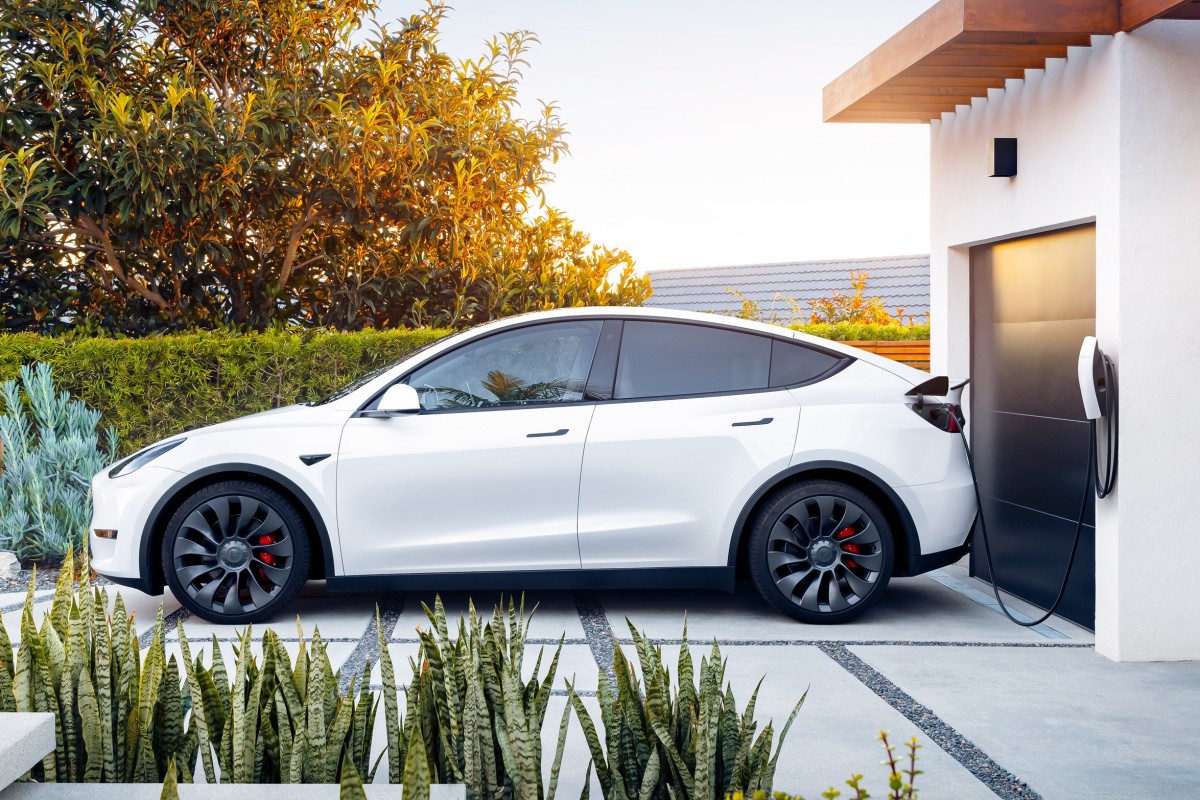
Unfortunately, the news wasn’t nearly so good for other electrified vehicles. The owners surveyed for this year’s report car experienced about 80% more problems with their plug-in hybrids and pure battery-electric vehicles than did owners of ICE models – with EVs and PHVs accounting for seven of the 10 least reliable vehicles. That said, over a dozen EVs from Tesla, Ford, Toyota, Lexus, Subaru and Hyundai ranked average or better in terms of reliability. The Tesla Model Y was the most reliable EV, though the Rivian R1T was rated least reliable. “With so many newly introduced EVs and PHEVs, along with the still relative newness of the technology, these growing pains were inevitable,” Fisher said. “However, we are seeing evidence in our survey that some EVs are improving as they age, and there are some reliable models available.”
Tesla
Who They Surveyed
The Auto Brand Report Card was based on surveys submitted by about 380,000 owners of vehicles from the 2000 through 2025 model years, CR said, with a handful of 2026 models included. The organization noted its “reliability predictions are based on overall reliability for the past three model years, provided the vehicle has not undergone a redesign. One or two years of data will be used if the model was redesigned in 2025 or 2024.”


There are no reviews to display.