


Still Driving Through Uncertainty
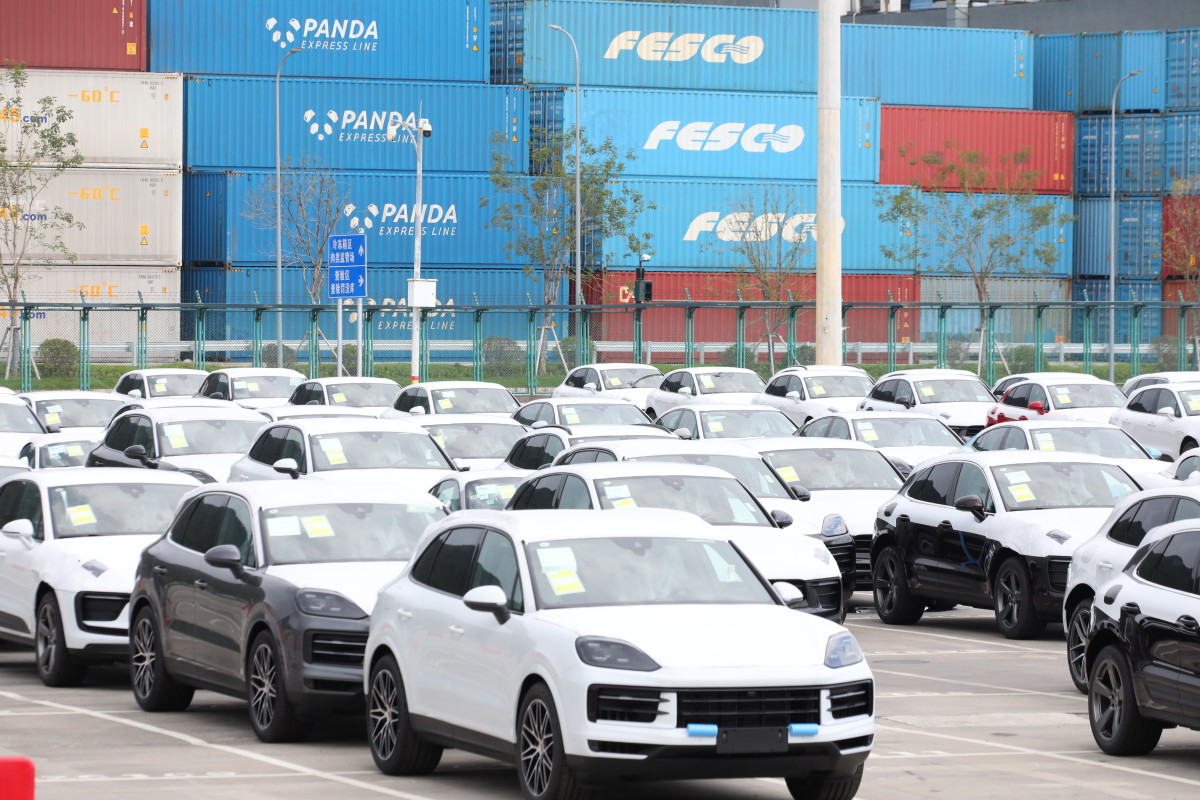
The tariffs imposed by the Trump administration sent the automotive industry into turmoil, particularly for brands like Audi that lack local manufacturing in the U.S. Now, although the Supreme Court recently ruled 6–3 that many of the president’s tariffs issued under the International Emergency Economic Powers Act (IEEPA) were illegal, the sector could continue facing ongoing trade pressures.
According to Automotive News, the tariffs on imported vehicles and auto parts were imposed under Section 232, not the IEEPA. That distinction matters: while businesses affected by tariffs issued under IEEPA – which the Supreme Court ruled unlawful – may attempt to seek refunds, a process expected to be a “mess,” automakers will continue to face import duties under Section 232.
Getty Images
A Record of Receipts
The report stated that the federal government has collected about $314.4 billion in total duties, taxes, and fees since the start of 2025, with approximately $133.5 billion generated under the emergency powers law.
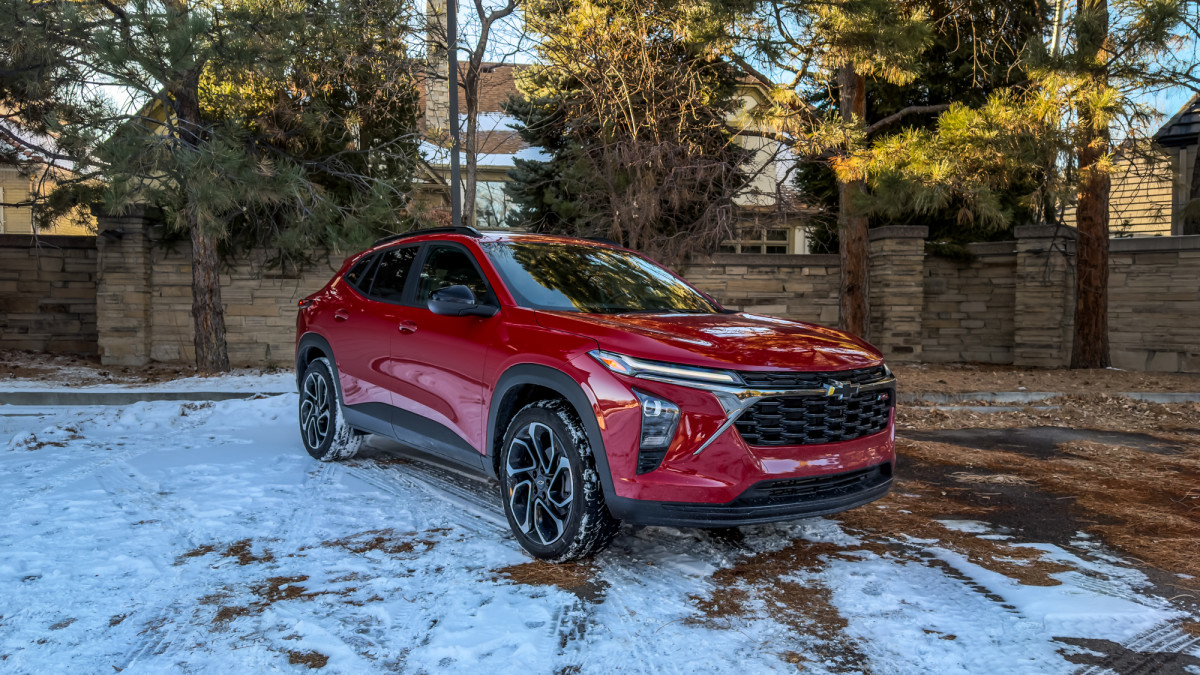
Car buyers don’t pay the tariffs directly, though automakers are absorbing much of the added cost. Over the long term, however, the import duties have placed sustained pressure on brands that rely heavily on overseas production, prompting some to consider expanding or establishing manufacturing operations in the U.S. But not all are rushing to localize. General Motors, for instance, continues to import the South Korea–built Chevrolet Trax, choosing to manage the import tax amid strong U.S. sales.
In response to the Supreme Court ruling, Trump announced a new 10-percent global tariff – later raised to 15 percent – set to last up to 150 days, though it exempts vehicles and auto parts already subject to Section 232 tariffs.
Chase Bierenkoven
Staying Competitive at Home
The evolving tariff landscape has prompted calls for automakers and suppliers to strengthen their North American integration under the United States–Mexico–Canada Agreement (USMCA), emphasizing that deeper regional cooperation is critical to maintaining global competitiveness, particularly as Chinese automakers continue expanding their presence in international markets.
A Toyota North America spokesperson said in a statement, “We are eager to see a renewed USMCA that strengthens North American competitiveness and delivers great certainty for the industry.”
It remains unclear how the trade frameworks the U.S. has reached with key automotive exporters – including the European Union, Japan, and South Korea – will play out in the wake of the Supreme Court’s 6–3 ruling. However, the report noted that the decision is expected to provide financial relief for many companies affected by the emergency-based tariffs and improve supply chain visibility, particularly across Asia-based sourcing networks.


There are no reviews to display.