


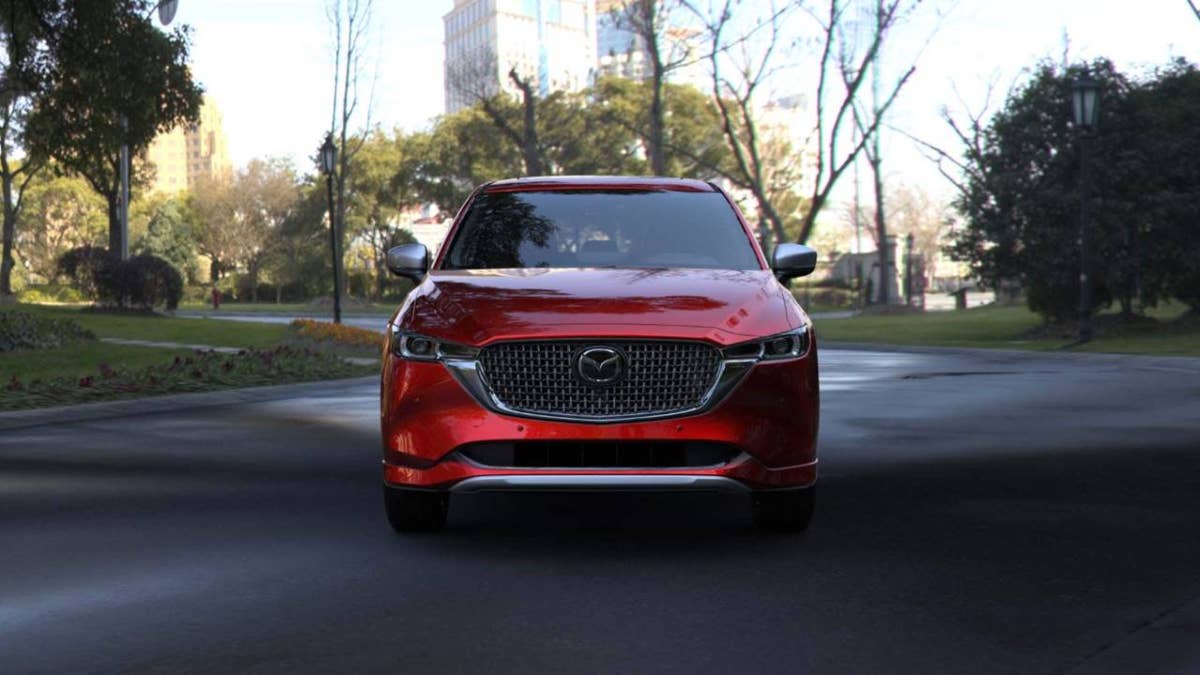
The logo on the hood used to be the whole point. You bought the German sedan or the British SUV because the badge told the world something about where you'd arrived. That calculus, according to a new survey from Mazda North American Operations, is eroding fast. In a study of recent car buyers, 81% said the experience behind the wheel, encompassing comfort, performance, and intuitive technology, is what makes a vehicle stand out. Only 19% pointed to the brand's badge. And when asked to define what "more" means in a vehicle, just 7% of respondents chose status or social recognition. Seven percent. That's fewer people than the margin of error in most political polls.
Mazda
What buyers actually want is less glamorous and far more practical. Space and practicality led the list at 40%, followed by value paired with quality at 36%. Advanced technology, driving enjoyment, and performance capabilities each came in at 30%. These are people who want a car that fits their life, not one that impresses the neighbors.
The markup isn't worth it
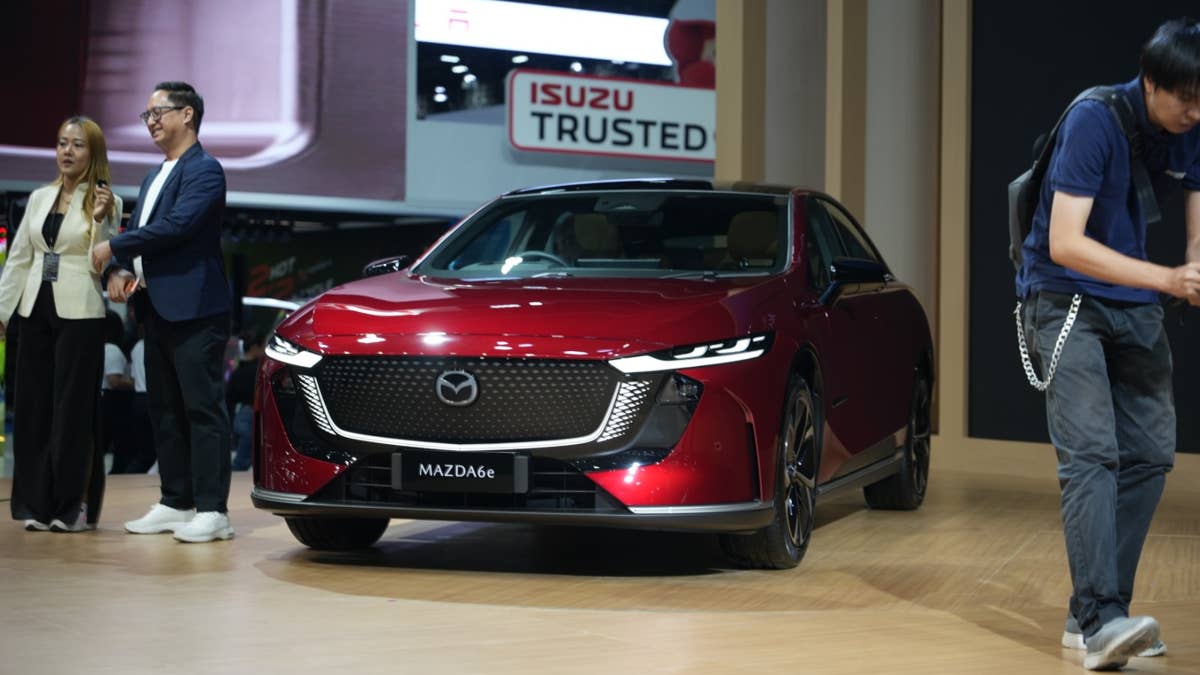
The survey's sharpest finding might be this: 76% of respondents said the premium markup on traditional luxury brands isn't worth the money, and 83% believe buying a mainstream brand with a premium feel is the smarter choice. In a market where the average new car now costs north of $49,000, that's not an abstract opinion. It's a financial calculation that millions of buyers make every time they walk onto a lot.
Earl Lee/Autoblog
Mazda posed a hypothetical to drive the point home. If respondents received a $75,000 cash windfall, the top priorities were retirement savings (67%), paying down debt (65%), and emergency funds (64%). A full 61% said they'd invest in a new vehicle, but only 46% would direct that money toward a high-end luxury car. The rest would rather spend smarter on something that delivers the features they care about without the badge tax.
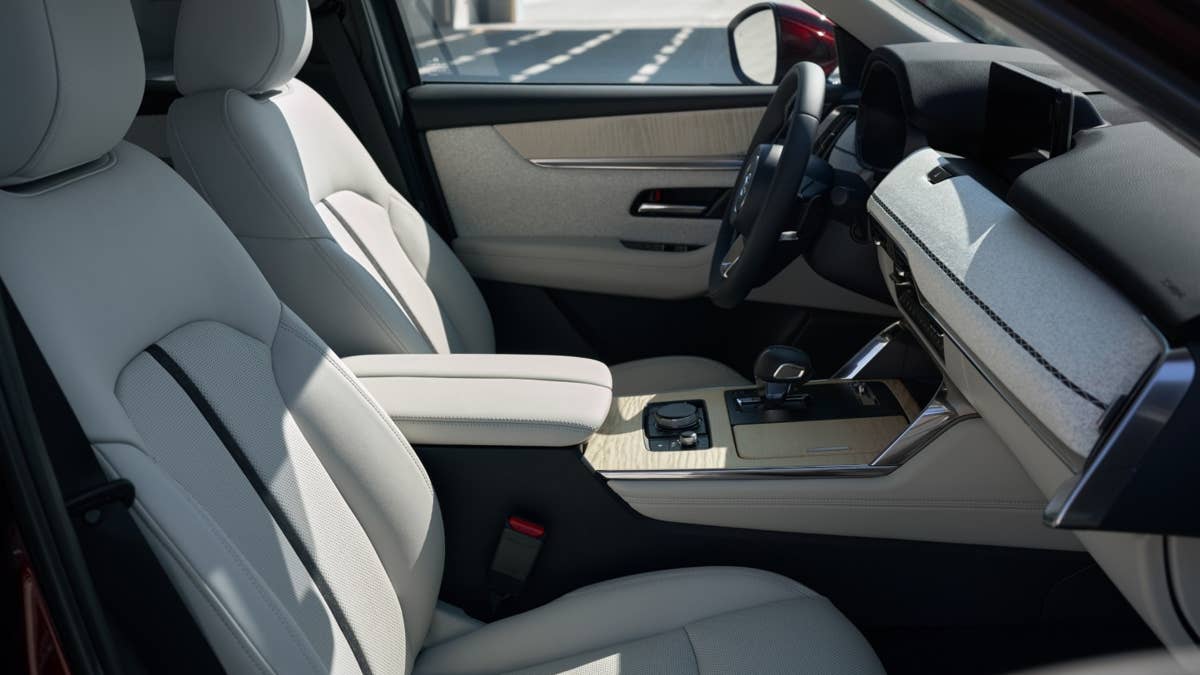
This tracks with what the broader market has been signaling for years. Brands like Mazda, Hyundai, and Kia have been steadily climbing in interior quality, technology, and refinement, while some traditional luxury players have coasted on reputation. The CX-90, for example, sits in showrooms with Nappa leather, a 12.3-inch infotainment display, and a starting price that undercuts a comparably equipped BMW X5 by more than $15,000. Consumers have noticed.
Safety is the new status symbol
Chase Bierenkoven
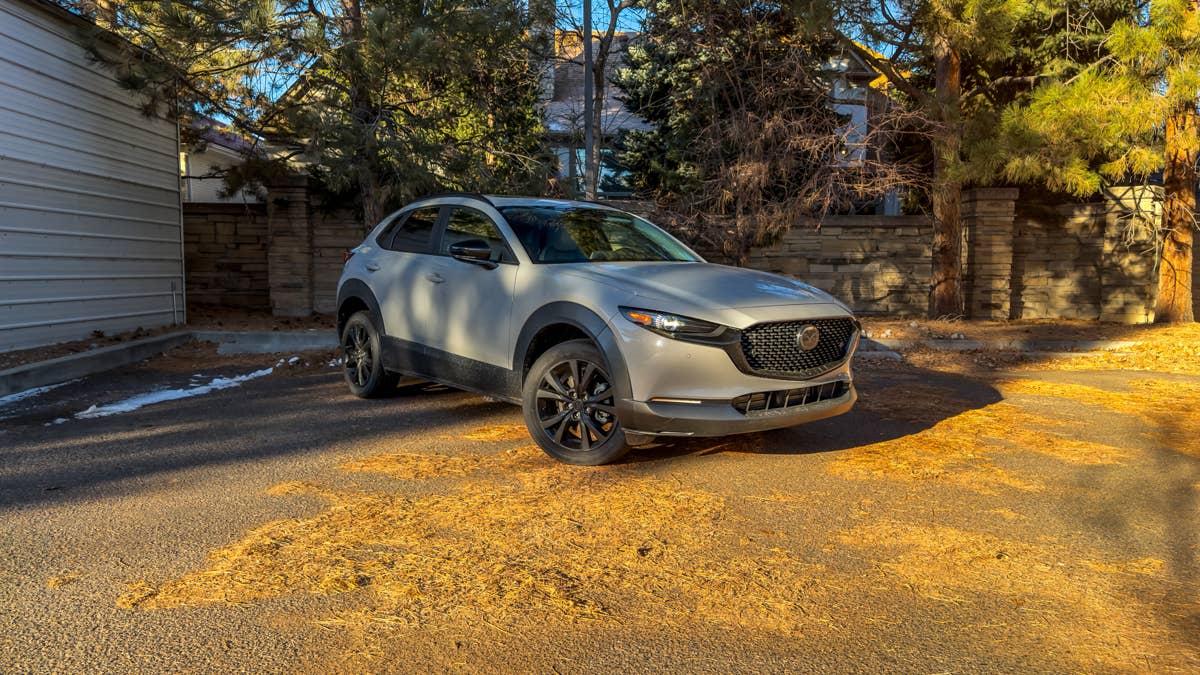
If the badge no longer defines premium, safety might. Seventy-five percent of survey respondents identified advanced active safety and driver-assist features as essential markers of a high-quality vehicle. That finding carries extra weight, given that Consumer Reports recently named Mazda its first-ever Safest New-Car Brand, a distinction that carries more credibility with buyers than most advertising campaigns could ever manufacture.
"Drivers are shifting their focus to what genuinely improves their time on the road," said Jennifer Morrison, Director of Vehicle Safety Strategy at Mazda North American Operations. "Comfort, safety, and features that support real life are winning out over labels, and people increasingly recognize they don't need to pay luxury prices for an exceptional vehicle."
The car as a quiet room
The survey also surfaced something more personal. When asked what lifestyle sacrifices they'd make to drive their dream car for free for a year, respondents were willing to give up alcohol (59%), their favorite podcast (58%), new clothes (55%), social media (54%), and even a gym membership (52%). That's a level of emotional attachment that goes well beyond transportation.
For parents, especially mothers (40% of whom agreed), the car is often the only quiet space in a day filled with school pickups, work calls, and the general chaos of running a household. For Gen Z drivers, 45% said the car is where they feel most like themselves, whether that means singing along to a playlist, decompressing after class, or just sitting in the driveway for five extra minutes before walking inside. But the standards for how you behave in that space are high. Respondents said they won't judge someone by the brand they drive, but they will absolutely judge texting while driving (75%), not wearing a seatbelt (68%), or a car that smells like it lost a fight with a fast-food bag (62%).
What this means for the market
Mazda commissioned this survey, so it's worth noting the obvious: the findings align neatly with the brand's own positioning as a mainstream automaker that delivers a premium experience without luxury pricing. That doesn't make the data wrong, but it does mean the framing is intentional. Still, the broader trend is real and supported by industry-wide sales data. Mainstream brands that have invested in interior quality, safety technology, and driving dynamics are gaining ground on legacy luxury names that have relied on heritage and badge equity to justify their pricing. The gap between a well-equipped Mazda CX-70, Hyundai Palisade, or Kia Telluride and an entry-level BMW, Audi, or Mercedes has narrowed to the point where many buyers are asking the obvious question: What am I actually paying for?


There are no reviews to display.