


The First Signs of a Bigger Plan
Tesla is reportedly building two new Supercharger stations that won’t be open to the public. Instead, the sites, which have been filed for permits in Arizona, will be dedicated to the company’s Robotaxi fleet, signaling confidence that a wider Robotaxi deployment could gain approval in the state.
So far, Tesla’s unsupervised Robotaxi operations are active in Texas, including its newest expansions into Dallas and Houston. In the San Francisco Bay Area, however, the Robotaxi fleet still requires a safety driver. A fully scaled operation would ultimately require removing the human driver, since people are limited by shift rules and break requirements. A private Supercharger site would also prevent the fleet from waiting in line behind other EV owners, especially now that several automakers, including Stellantis, have gained access to the Supercharger network.
On the same day, Tesla also submitted a draft for another proposed location in the city of Mesa, also listed as private use.
— MarcoRP (@MarcoRPi1) April 17, 2026
This site is located in an industrial area on the east side of the city. pic.twitter.com/jCC1IsKKKw
The Sites Behind the Strategy
The plans to build non-public Supercharger sites in Arizona were shared by X user MarcoRP, who said one will be located in Chandler and the other in Mesa. In the city of Chandler, Tesla submitted pre-permits for 56 V4 Supercharger stalls.
V4 Superchargers are Tesla’s latest generation of DC fast chargers. They can deliver up to 325 kW, compared with 250 kW on the V3 network. The underlying infrastructure is also designed to be future-proof, with the company saying it can support up to 500 kW. For a Robotaxi fleet, that could simply translate to faster turnaround times.
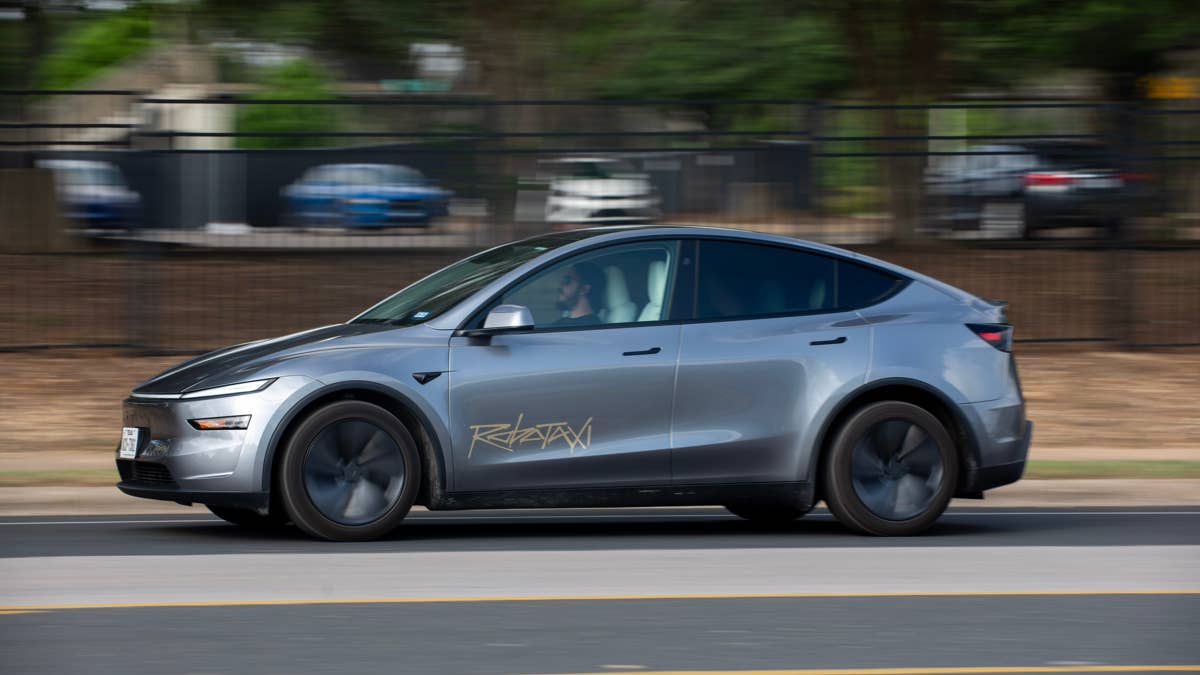
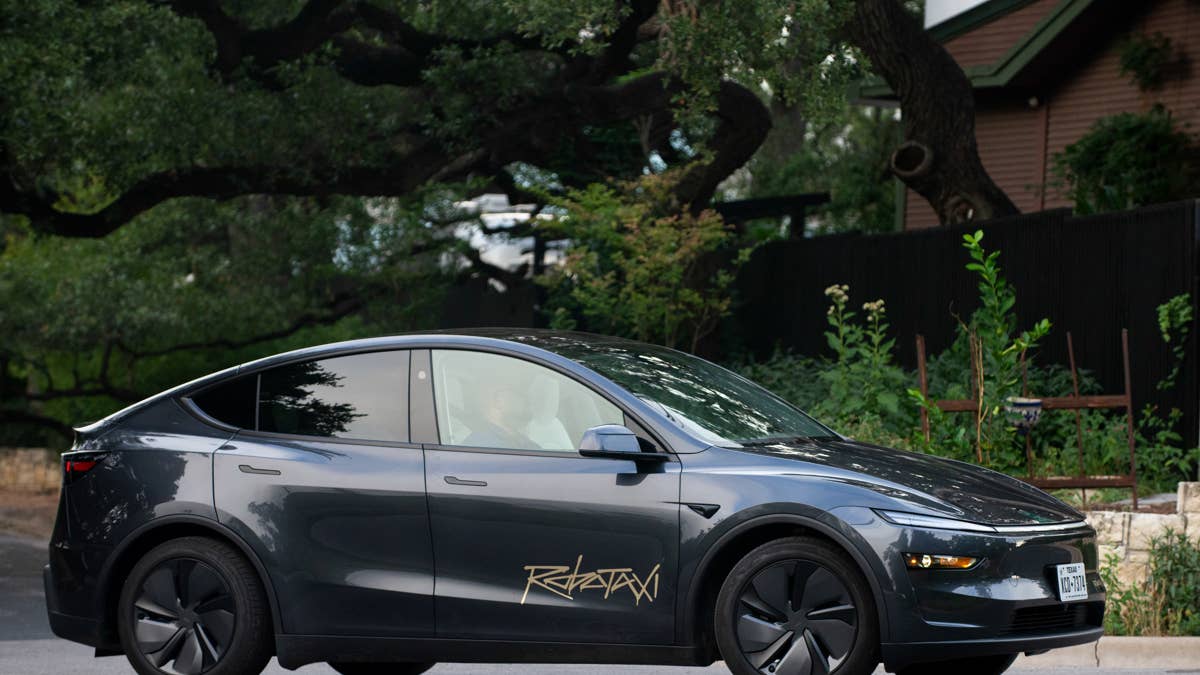
Meanwhile, the upcoming Cybercab is expected to use wireless charging, a technology already offered for EVs such as the Porsche Cayenne Electric. That should make operations more seamless, as there would be no need for a human to plug in the charger. The Cybercab is also designed as a two-seater, which could work in its favor for riders who usually travel alone by eliminating unnecessary weight. Customers who need more space could opt for a Model Y Robotaxi.
Scaling the Bigger Vision
Arizona is just one of the areas Tesla plans to expand its Robotaxi fleet into this year. During the company’s Q4 2025 earnings call, the company also said it is targeting expansion in Miami, Orlando, Tampa, and Las Vegas.
This latest development suggests that more private Superchargers dedicated to the Robotaxi fleet could be deployed across the U.S. in the coming years.


There are no reviews to display.