



Coast to Coast, No Hands
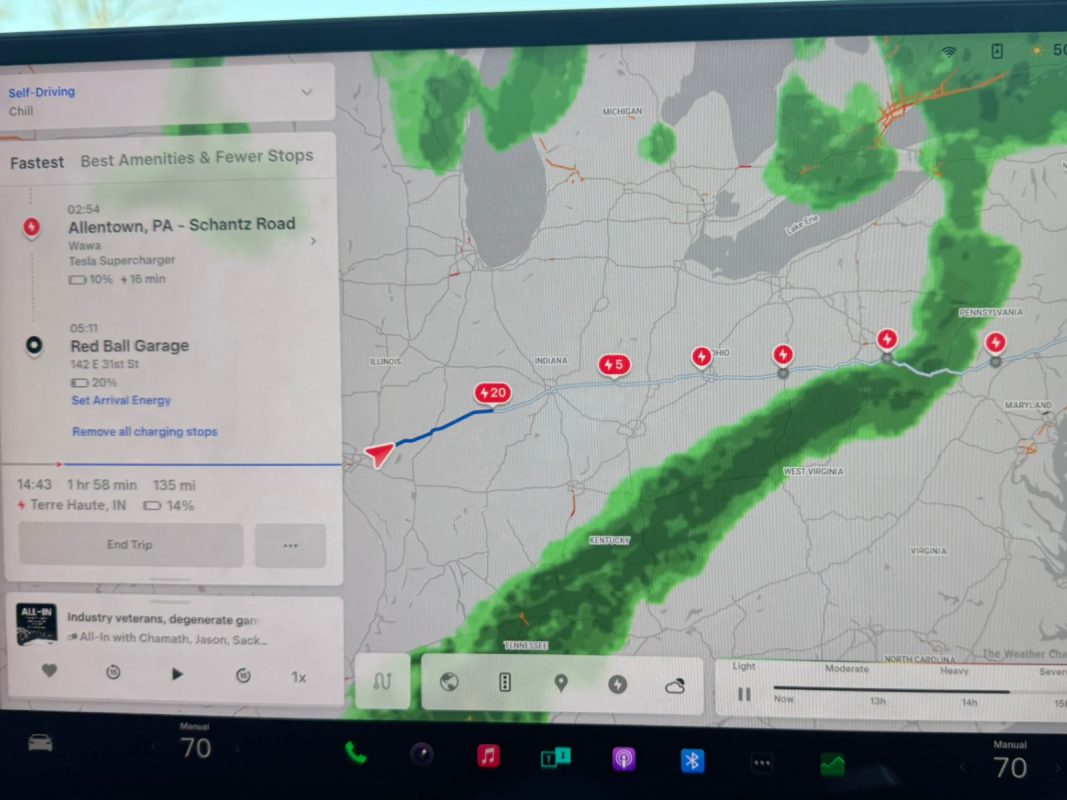
A 2024 Tesla Model S has reportedly achieved the first zero-intervention Tesla Full Self-Driving (FSD) Cannonball Run. The journey began in Los Angeles and ended in New York, with the small team covering 3,081 miles in 58 hours and 22 minutes.
For the uninitiated, the Cannonball Run originated in the early 1970s as a protest against newly imposed speed limits and heightened traffic enforcement in the U.S. In the Tesla world, the challenge became more relevant after CEO Elon Musk said the company would complete a coast-to-coast demonstration drive in 2017. That never happened—along with other pledges that later proved disappointing—but thanks to the team that recently completed the run, there is a clearer picture of what such a feat actually looks like.
Not Exactly Smooth Sailing
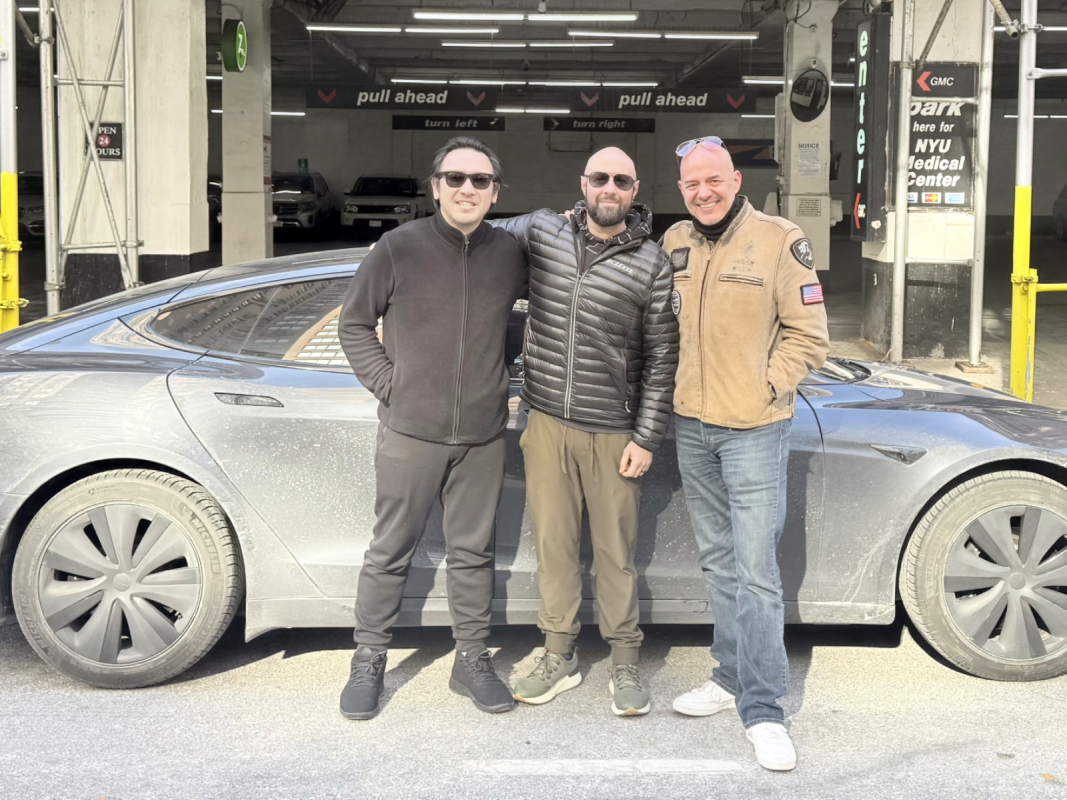
One of the team members and a former The Drive contributor, Alex Roy, said the video documenting the run “will be crazy.” The attempt was completed in snowy conditions – even during an active snowstorm – which typically has a negative impact on EV battery performance. Despite those challenges, the team maintained an average speed of just 64 mph – slower than previous attempts – while spending a total of 10 hours and 11 minutes stopped for charging, a hurdle drivers of gasoline-powered cars don’t have to deal with.
What was interesting in the report, however, was that the Model S made multiple detours, including a 90-minute diversion after one team member was left behind. How that situation happened is remarkable in itself, but it reflected the group’s dedication, as they chose not to take control of the vehicle and instead let FSD handle the situation.
Tesla’s Position on Full Self-Driving
With FSD still facing several well-documented issues—including some currently under investigation by the federal regulators—better and faster Cannonball Run results are expected as further updates roll out. It is also worth reiterating that FSD is classified as SAE Level 2 autonomy, meaning it still requires constant human supervision, something Tesla owners considering a similar challenge should keep in mind.
Tesla, for its part, is also working toward a fully autonomous driving system, though not for a road-going production EV. That technology is instead slated for its dedicated robotaxi program using the so-called Cybercab, expected to enter production in April 2026. Whether the company ultimately delivers on that timeline or adds it to the growing list of missed targets remains to be seen.


There are no reviews to display.