


The Next Phase Is Underway
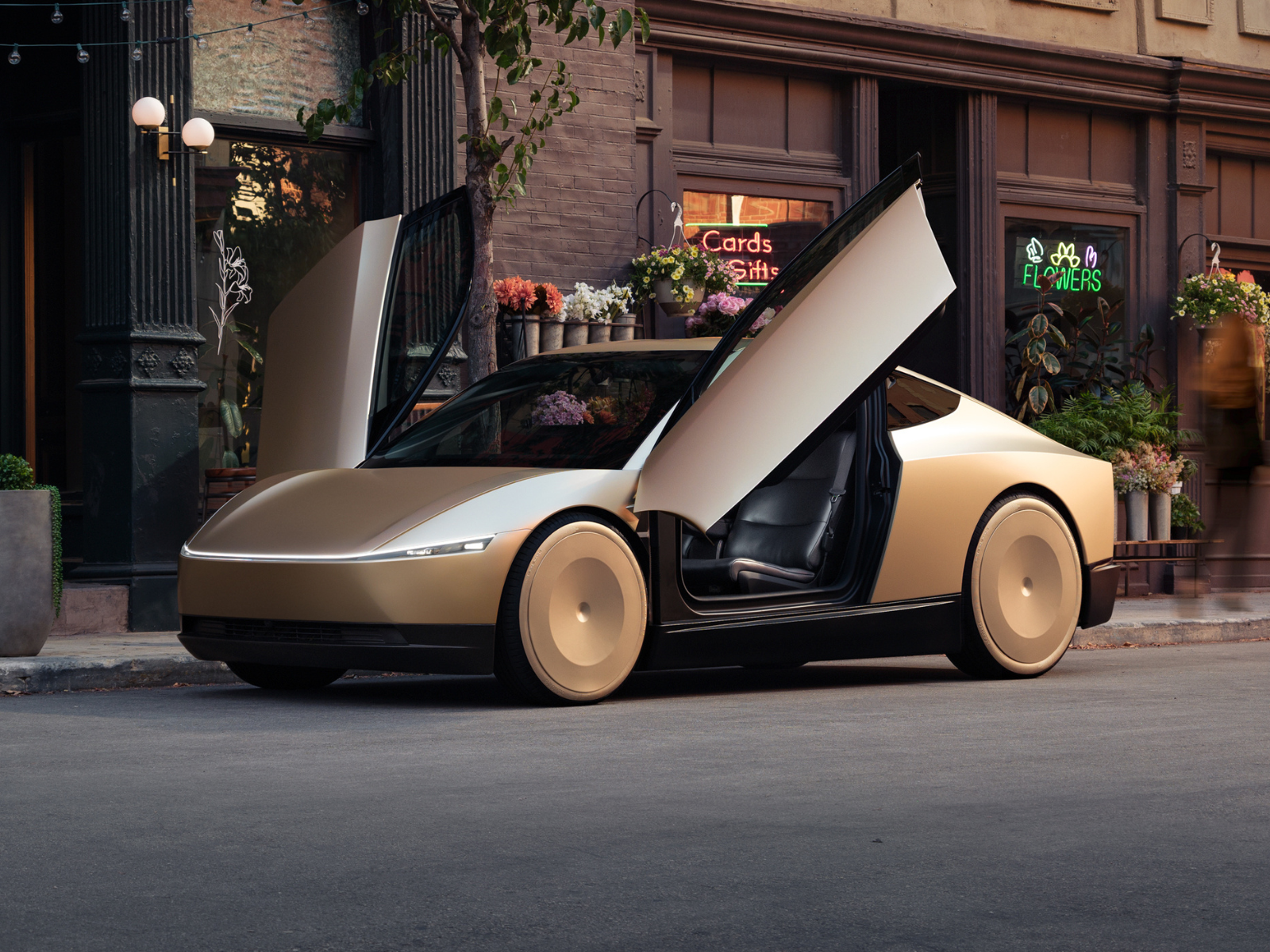
Tesla has officially begun production of the Cybercab at Giga Texas, marking a significant shift in its positioning as more than just an electric vehicle maker. However, there’s a major catch, as unsupervised driving without traditional controls has yet to be approved.
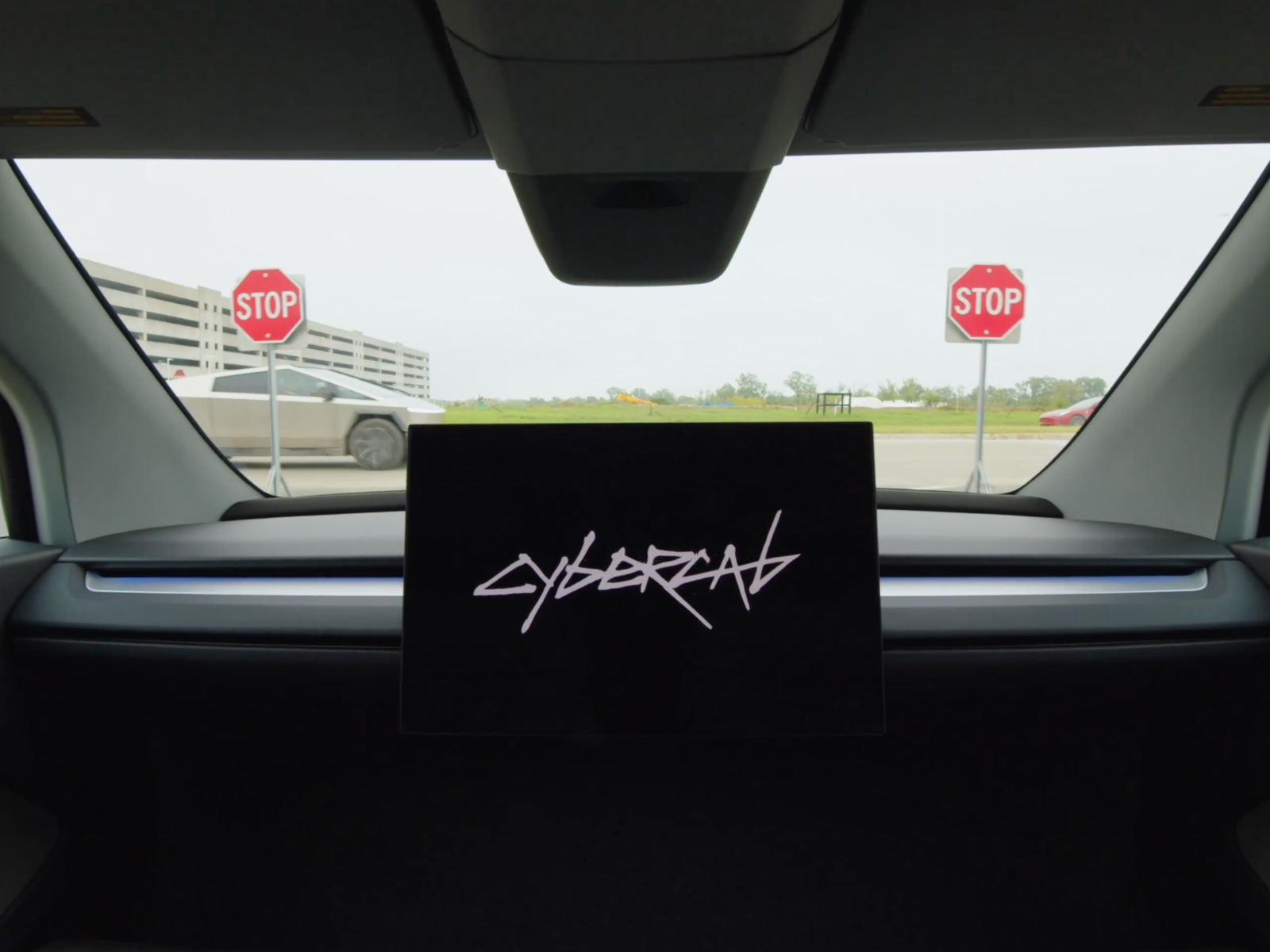
The Cybercab units rolling off the production line appear to lack a steering wheel and side mirrors, and likely pedals as well. Without approval for unsupervised autonomous driving, the two-seater robotaxi cannot enter service, though Tesla previously said its Plan B would be to install steering wheels and pedals. If anything, the start of production suggests the company is confident the Cybercab’s original purpose can be delivered.
Purpose-built for autonomy
— Tesla (@Tesla) April 23, 2026
Cybercab in production now at Giga Texas pic.twitter.com/Y9qG3KyWBa
Meeting the Requirements
Interestingly, the National Highway Traffic Safety Administration imposes an annual 2,500-unit production limit on vehicles that do not meet the Federal Motor Vehicle Safety Standards (FMVSS), some of which concern equipment the Cybercab appears to lack. However, Tesla Vice President of Vehicle Engineering Lars Moravy replied “No” to a question on X about whether the production cap applies to the Cybercab, a claim seemingly backed by drone footage showing a production unit with an FMVSS sticker.
While awaiting further developments, Tesla has expanded its unsupervised Model Y robotaxi operations to geofenced areas in Dallas and Houston. The company has also outlined plans to expand into more cities this year, including Phoenix, Miami, Orlando, Tampa, and Las Vegas.
The Cost-Cutting Play
The recent report that Tesla is building private Supercharger sites – likely intended exclusively for its robotaxi fleet – also suggests the company is moving forward with its plans.
The decision to remove the steering wheel and pedals is likely aimed at reducing costs and enabling the two-seat configuration. Over time, that could help lower production costs, since fewer parts are needed. A smaller, lighter electric vehicle like the Cybercab can also typically deliver more range than a larger alternative.
The start of production is only the beginning of Tesla’s rebranding, especially now that the Model S and Model X are being discontinued to make room for future projects. One of those is the Optimus humanoid robot, which is designed to perform labor-intensive tasks such as household chores.


There are no reviews to display.