


Tesla’s Inventory Problem Is Real
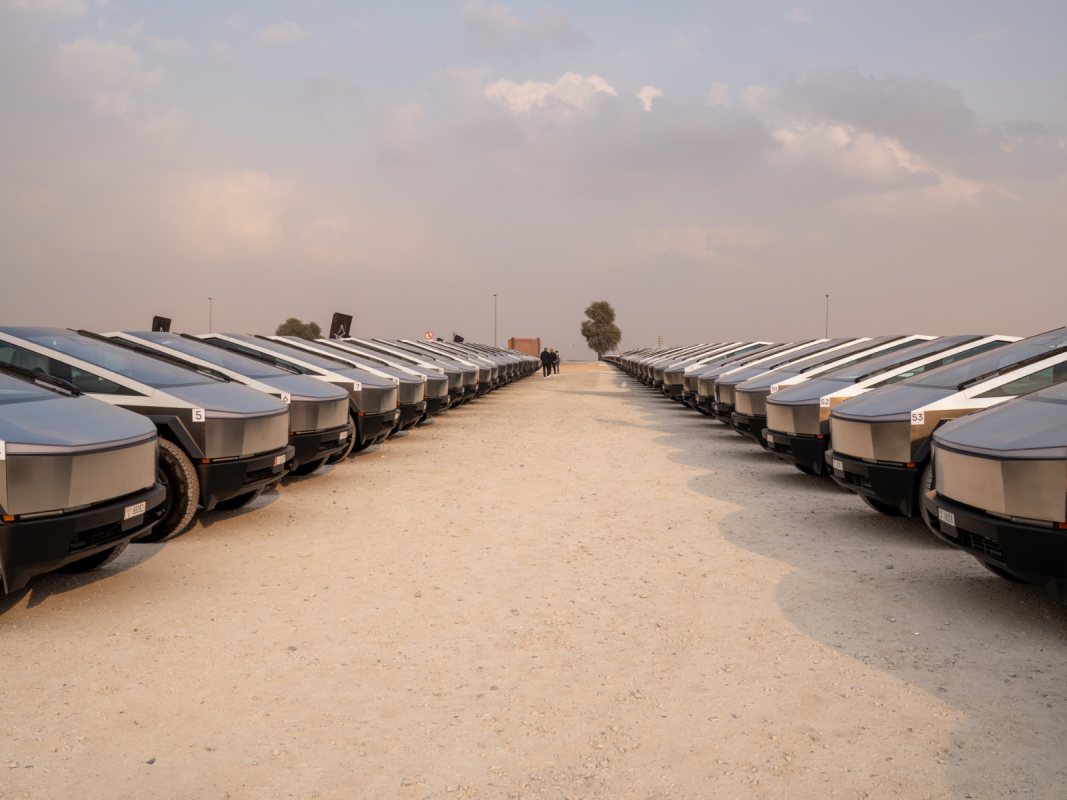
Tesla is facing an uncomfortable reality. In the first quarter of 2026, the automaker produced over 50,000 more vehicles than it sold, marking the largest production-to-delivery gap in its history.
According to figures cited by USA TODAY, Tesla built 408,386 vehicles but delivered only 358,023 units. That surplus now sits in lots and storage facilities, a stark contrast to the brand’s once razor-sharp inventory control.
This imbalance comes at a time when Tesla is still technically growing. Sales were up 6 percent year-over-year, but they still missed analyst expectations. The U.S. EV market is cooling, with sales dropping sharply in early 2026. Even so, for a company that built its dominance on demand outpacing supply, this backlog is a warning sign that the tide may be turning.
A Rough Start to 2026 Raises Bigger Questions
The year opened on shaky ground for Tesla, with declining momentum in key markets like California. Industry-wide headwinds are becoming harder to ignore. The removal of the federal $7,500 EV tax credit has fundamentally altered the affordability equation. Without incentives, EV pricing is being tested against real consumer willingness to pay, and the results are mixed at best.
There is also a demand ceiling emerging. Surveys suggest only a small percentage of American buyers are actively considering EVs as their next purchase. That creates a mismatch between aggressive production targets and actual market appetite. Tesla’s situation reflects this tension. It is not just about one company overbuilding. It is about an entire segment recalibrating after years of incentive-driven growth.
Autoblog / LeRoy Marion
EV Winter or Tesla-Specific Problem?
Zoom out, and Tesla is not alone. Several automakers are scaling back EV programs, delaying launches, or scrapping models altogether. The industry is entering what many are calling an “EV winter,” where early hype is giving way to slower, more measured adoption. In that context, Tesla’s surplus inventory looks less like an isolated misstep and more like a leading indicator.
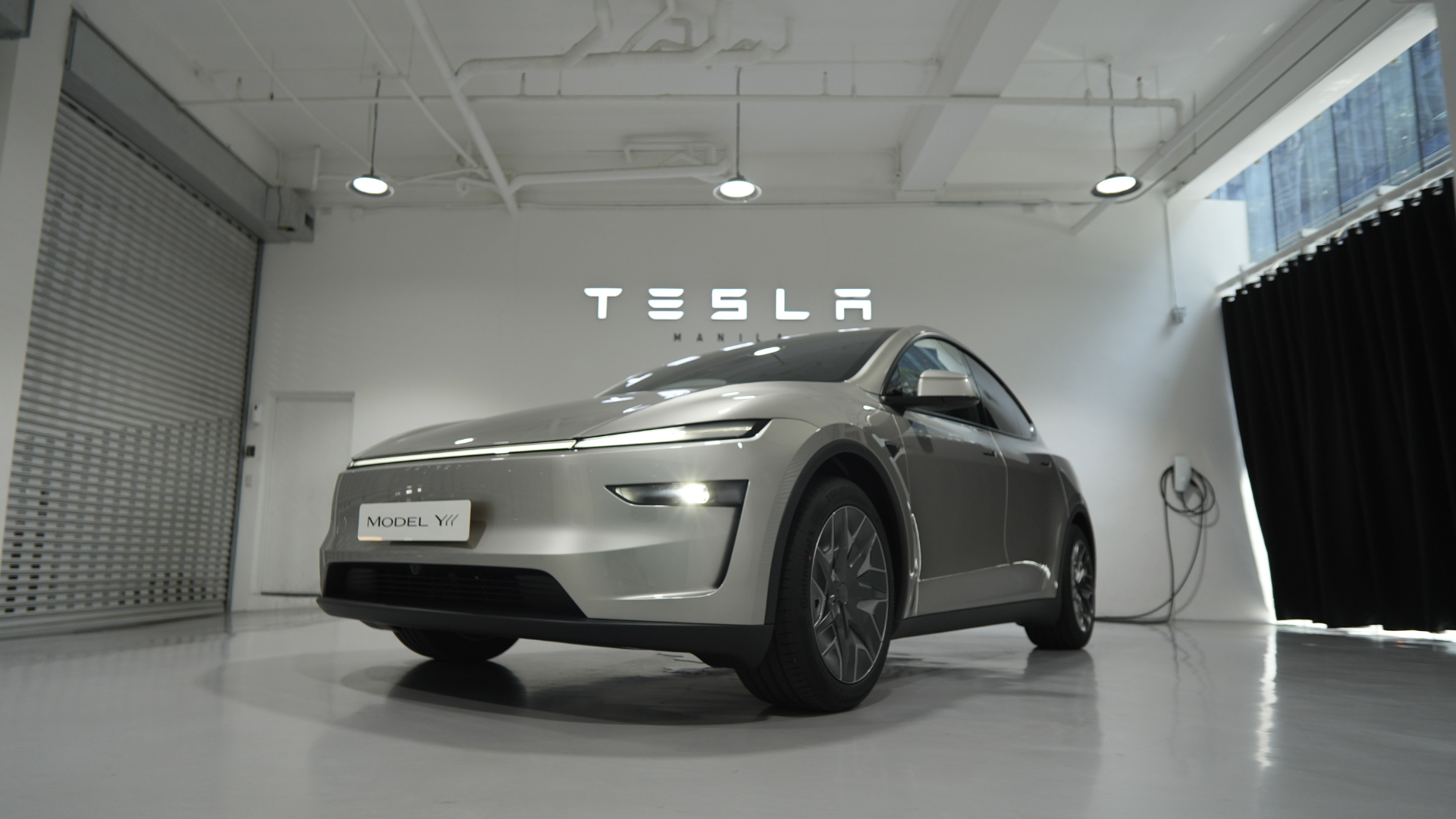
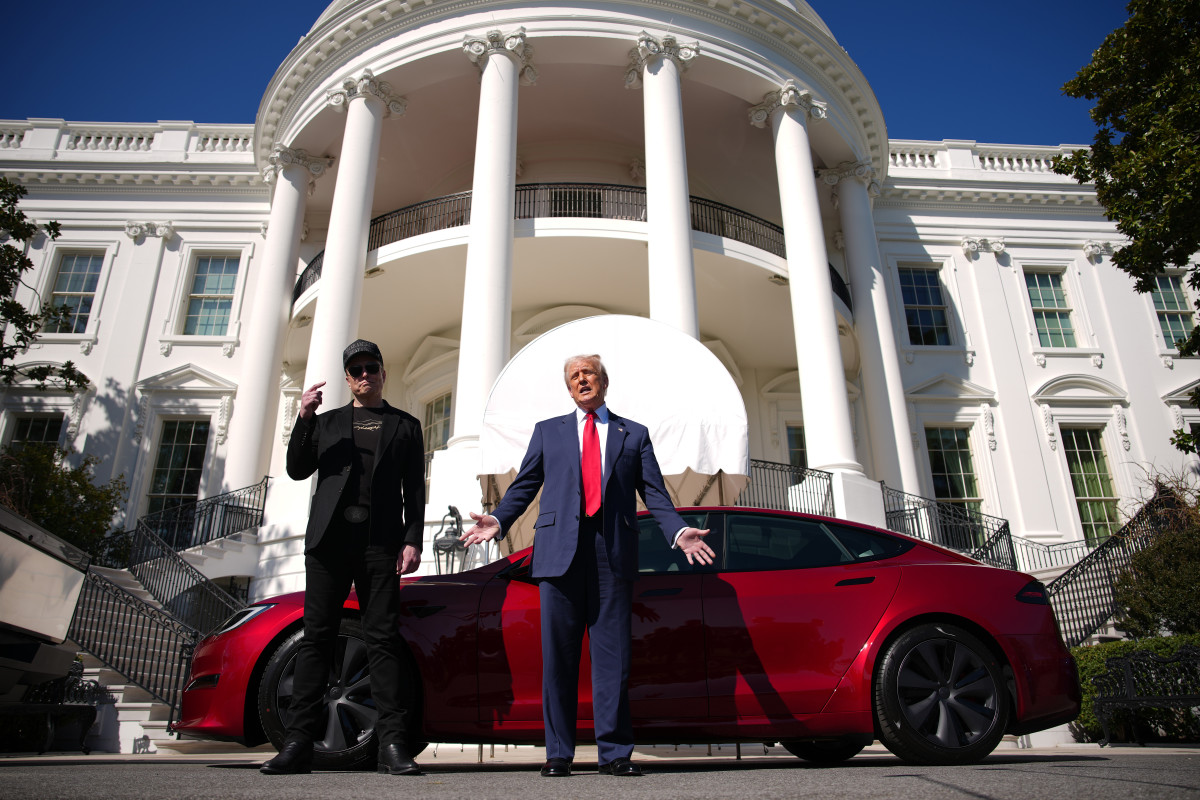
That said, Tesla has its own unique variables. CEO Elon Musk remains a polarizing figure, and analysts have pointed to his political visibility as a potential drag on brand perception. At the same time, Tesla’s lineup is aging, with heavy reliance on the Tesla Model Y and Model 3. The company is betting big on robotaxis and autonomy, but for now, it still needs to sell cars. And right now, it has tens of thousands too many.


There are no reviews to display.