




Mitsubishi's Rally History
Mitsubishi is far from the automaker it once was. Now purveyors of competently okay crossovers, there was a time when it made some of the most advanced cars out there and built some of the most dominant rally cars of all time. Well, you can't mention the company's glory days without giving a shout-out to its exploits in the World Rally Championship.
The Diamond Star brand's adventures in rallying date back to the late '60s with the Colt 1000F competing in Australia's Southern Cross Rally. But its first significant entry on the world stage was the Lancer 1600GSR in 1973, and subsequently won the 1974 and 1976 Safari Rally.
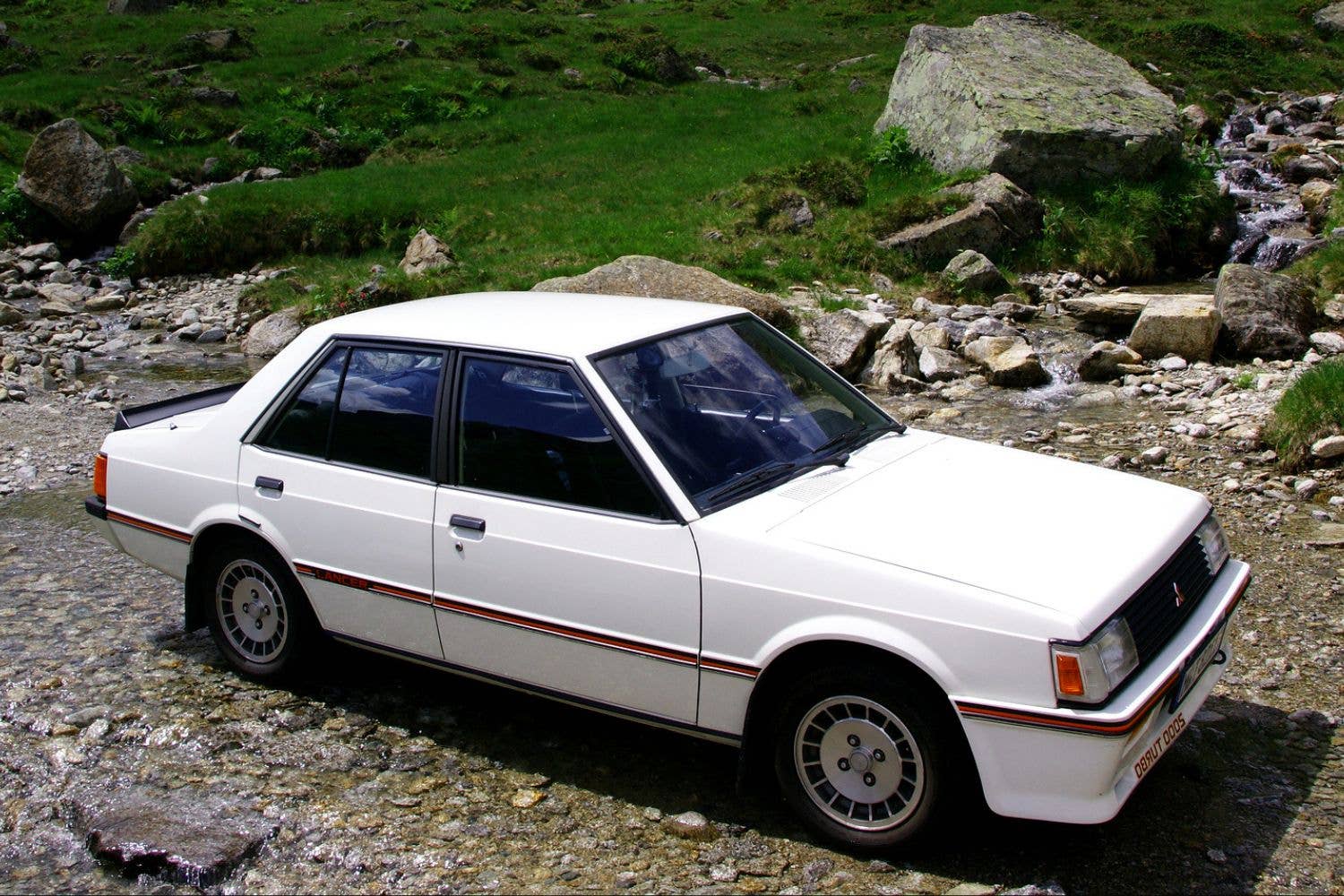
But then Mitsubishi wanted to aim higher and build a more powerful, competitive car for the World Rally Championship. The result was the Lancer EX 2000 Turbo, which debuted at the 1979 Tokyo Motor Show for the 1980 model year and complied with Group 4 rally rules at the time. It would essentially lay down the foundations for the Lancer Evolution models.
Familiar Mechanicals
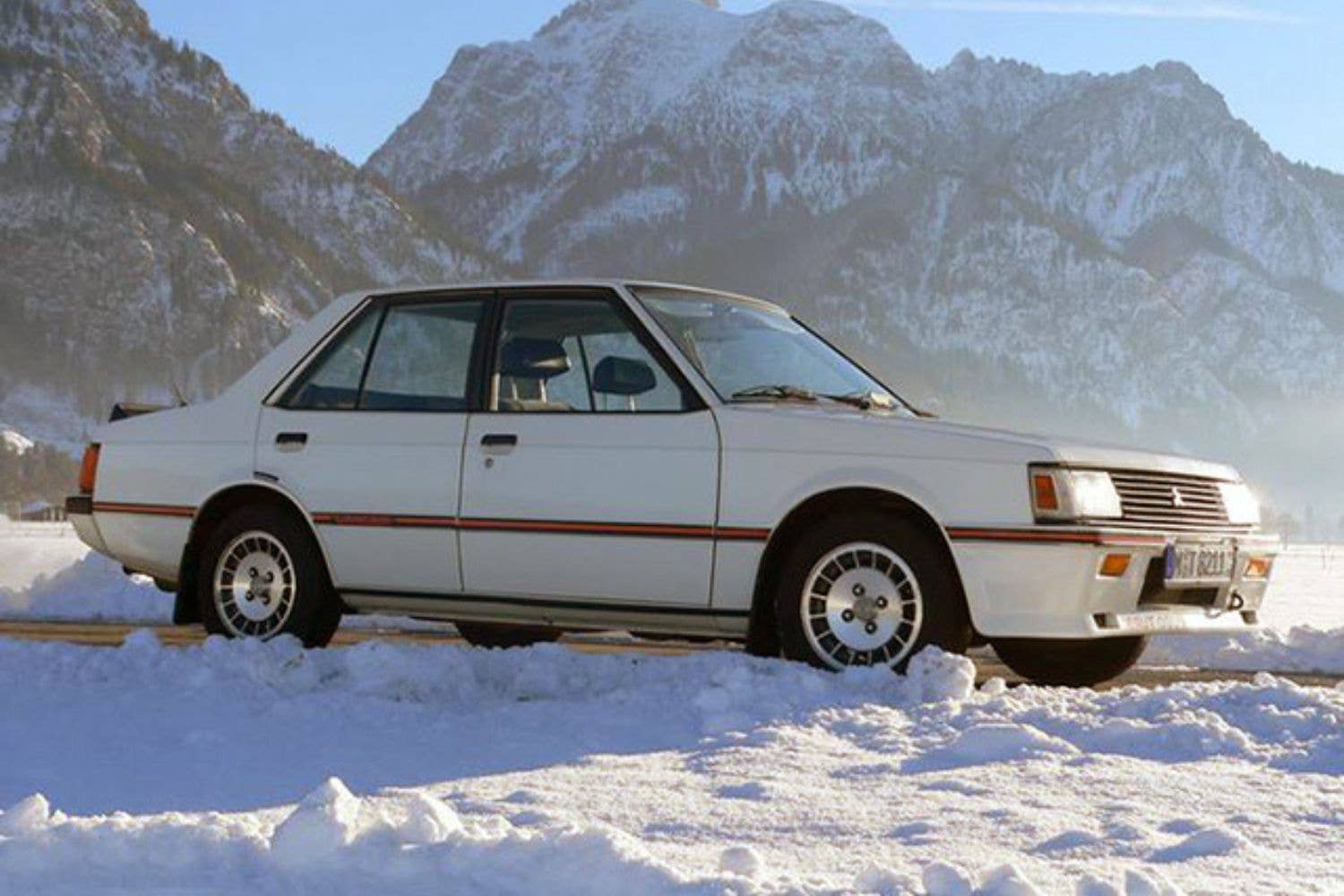
At first glance, the Lancer EX 2000 Turbo and Lancer Evolution are worlds apart from each other. For starters, the car from 1980 was rear-wheel drive and never offered with all-wheel drive. There's no wild body kit, and not even a spoiler that could double as a dining table. It's mild in comparison to the Evolution models we know (and miss) today.
So, what's the link between the EX 2000 Turbo and the Evolution? That would be the engine. The boosted boxy Lancer was powered by Mitsubishi's venerable 4G63T. It would be the same block that would power hot Lancers from 1992 to 2009, spanning nine Evolution models.
Facts and Figures
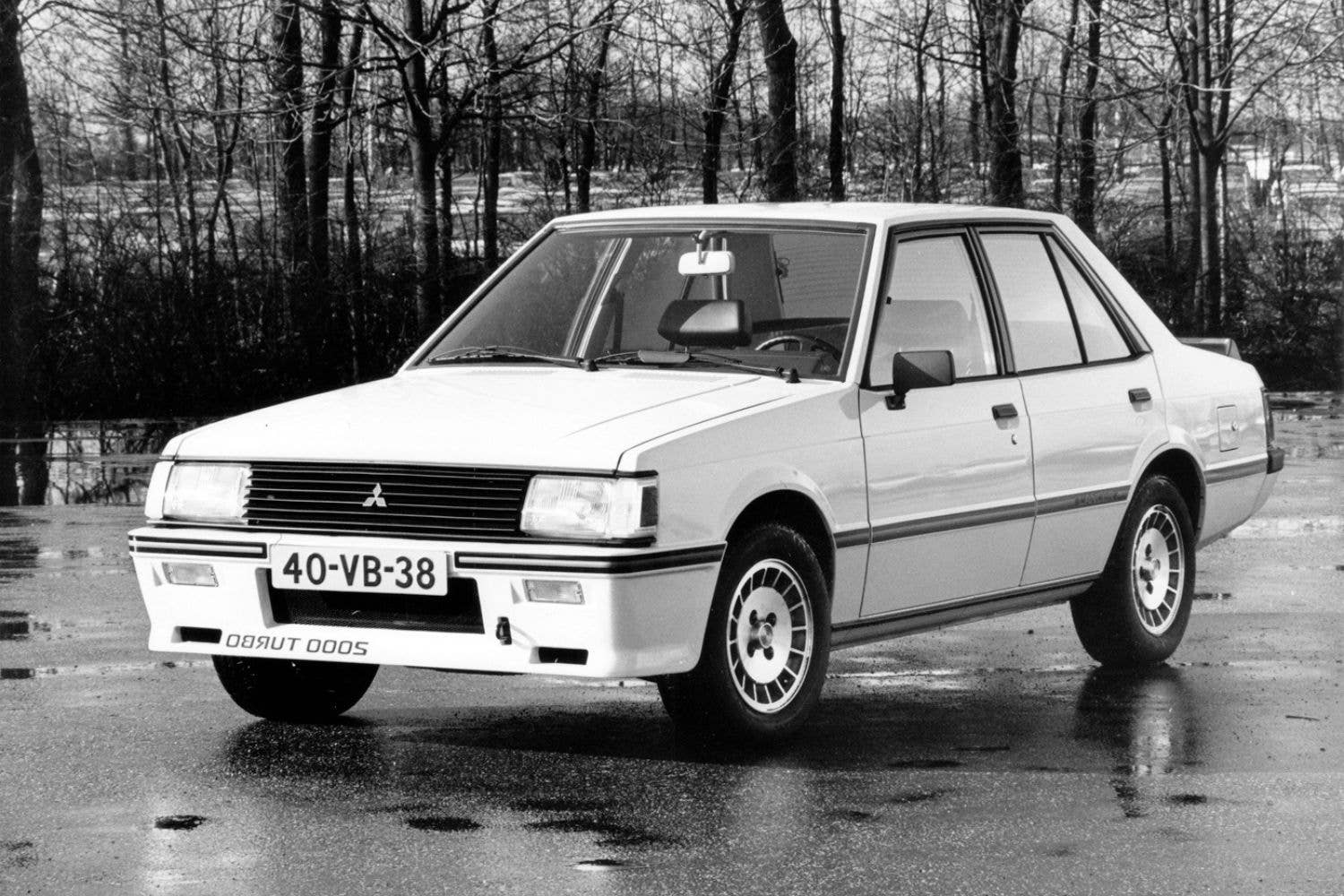
The Lancer EX 2000 Turbo's specs are tame by today's standards, but hugely respectable in 1980. The 2.0-liter turbocharged mill made 168 hp and 181 lb-ft of torque, a big jump from the more pedestrian versions of the Lancer. The car weighed under 2,500 lbs, so it was a turbocharged flyweight with an estimated 0-60 mph in the high-sixes to low-sevens. That engine was then mated to a five-speed manual.
Other highlights? It had a sportier set of front and rear bumpers, a squidgy rubber spoiler on the trunklid, and unique 14-inch alloys. Handling upgrades included stiffer springs and dampers, plus vented discs at the front. It also came with a pretty neat mirrored 2000 Turbo graphic on the bottom-right corner of the bumper.
An Abbreviated Rally Career
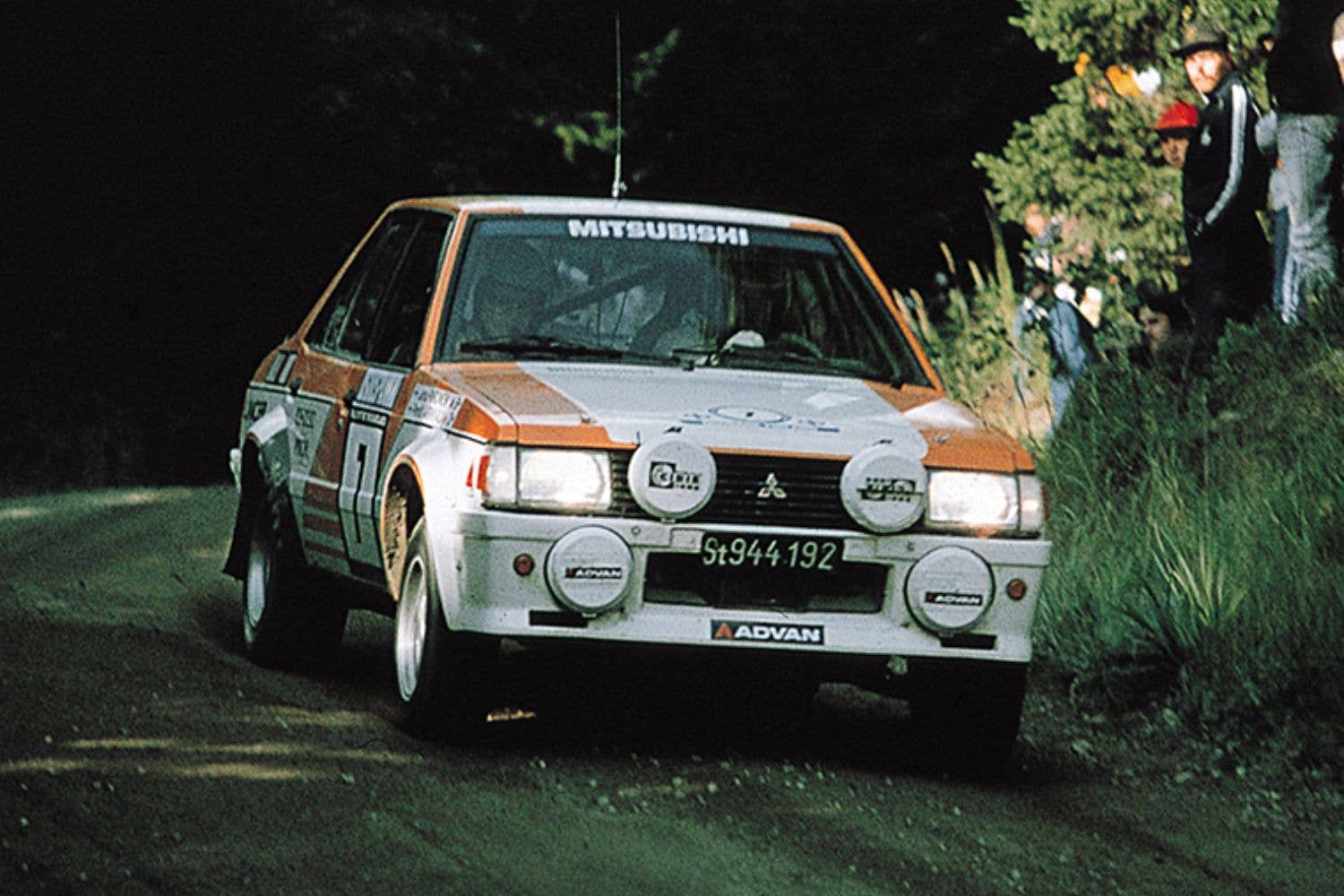
If it's such an important car for Mitsubishi, then why isn't it being mentioned too often in rally circles? Well, the 2000 EX Turbo came out right about the same time as the Audi Quattro. You can already see where this is going.
Mind you, the car had some decent results, although it never really entered a full season. Its best result was third in the 1982 1,000 Lakes Rally in Finland, and the highest-placed car that wasn't an Audi. The Quattros? The one in second place was four minutes ahead of the Lancer. The message was clear: all-wheel drive was the way to go in the sport. Thus, at the end of the 1983 season, the Lancer EX 2000 Turbo was retired from competition.
M
A Lasting Legacy
One might think that it's a JDM special, but the irony is that the EX 2000 Turbo wasn't even sold in Japan. It was strictly for the European market with the main intention of leaving an impression on the World Rally Championship. That said, the Japanese market did get turbocharged Lancers, though those used a 1.8-liter engine. It was first called the Lancer Turbo, then eventually the Lancer 1800 GSR Turbo when it gained an intercooler. That car actually made an appearance in several Gran Turismo games, but is now missing in the seventh installment.
The existence of this car is pretty much esoteric knowledge in America, but the Lancer EX 2000 Turbo is celebrated in parts of Europe and Asia. It's an incredibly rare car with just 1,250 made simply to comply with homologation rules, but that further adds to its cool factor. Okay, it wasn't the most successful rally car, but Mitsubishi learned several valuable lessons from the EX 2000 Turbo program.
Those lessons eventually turned the brand into a powerhouse in the World Rally Championship. Mitsubishi's return to the WRC in the '90s would prove much more fruitful, clinching four driver's titles in a row from 1996 to 1999, one manufacturer's championship in 1998, and countless wins along the way. The EX 2000 Turbo walked so that the Evolution could fly through stages.
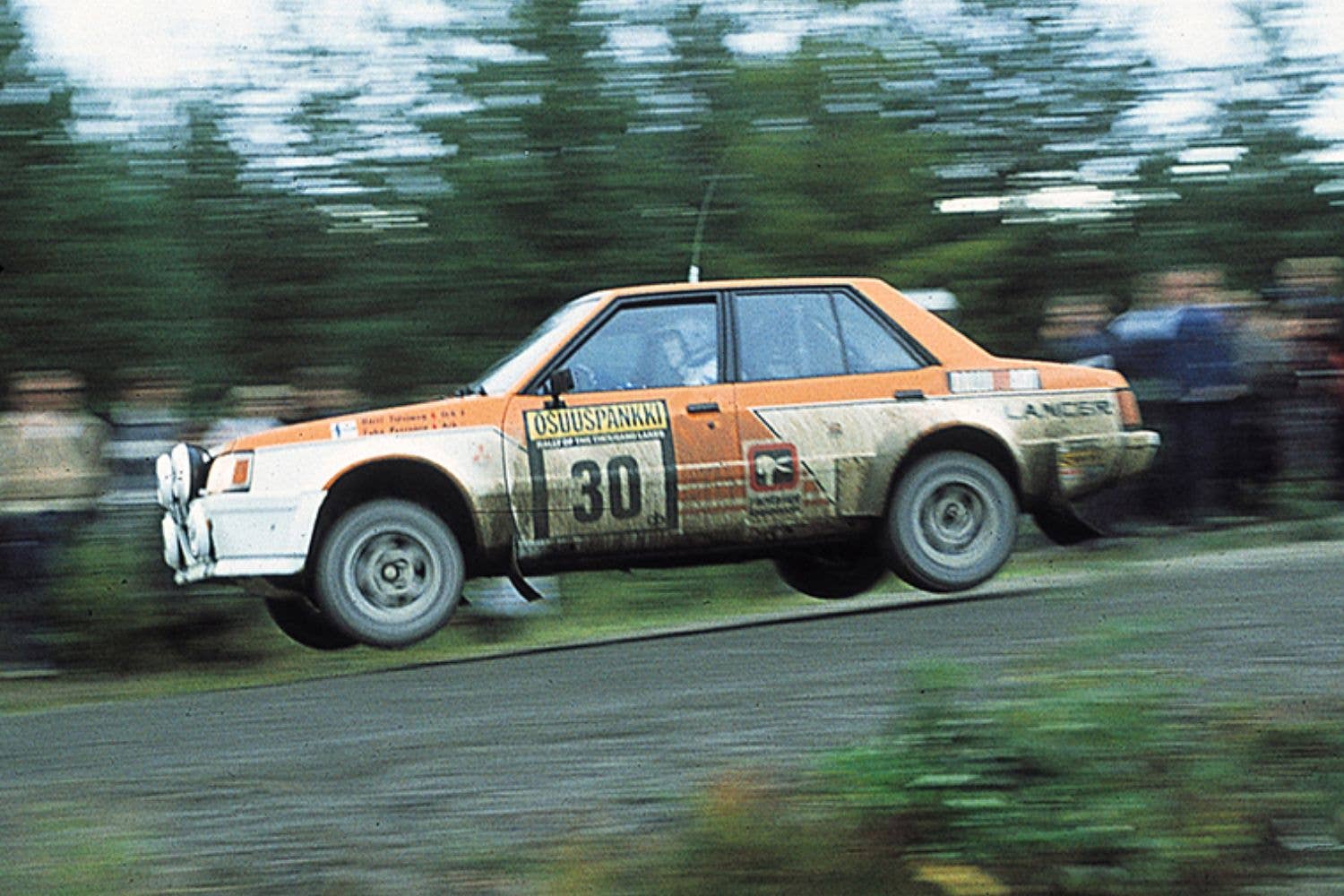
Mitsubishi


There are no reviews to display.