


Extreme Winter Cold Greatly Affects EV Range
Cold weather is still one of the biggest real-world hurdles for EVs. When temperatures drop, battery chemistry slows down, internal resistance goes up, and the car has to work harder just to keep the battery and cabin warm. Even with the latest thermal management tech, range loss is something you can’t fully escape.
To see just how much cold weather hits EV range, Norwegian publication Motor ran its annual winter test. They took a wide mix of EVs through snowy highways and mountain roads, with temperatures dropping to -31°C (-24°F). According to the publication, each car was driven in normal conditions until it couldn’t safely go any farther.
At the end of the test, every EV in the test fell short of its certified range, and plenty lost more than a third of what’s promised. Of note, WLTP ratings, used in Europe, are more generous than US EPA numbers.
But here’s what really stood out: it wasn’t about which EV went the farthest, but which ones came closest to their rated range. And most of those top performers aren’t sold in the US.
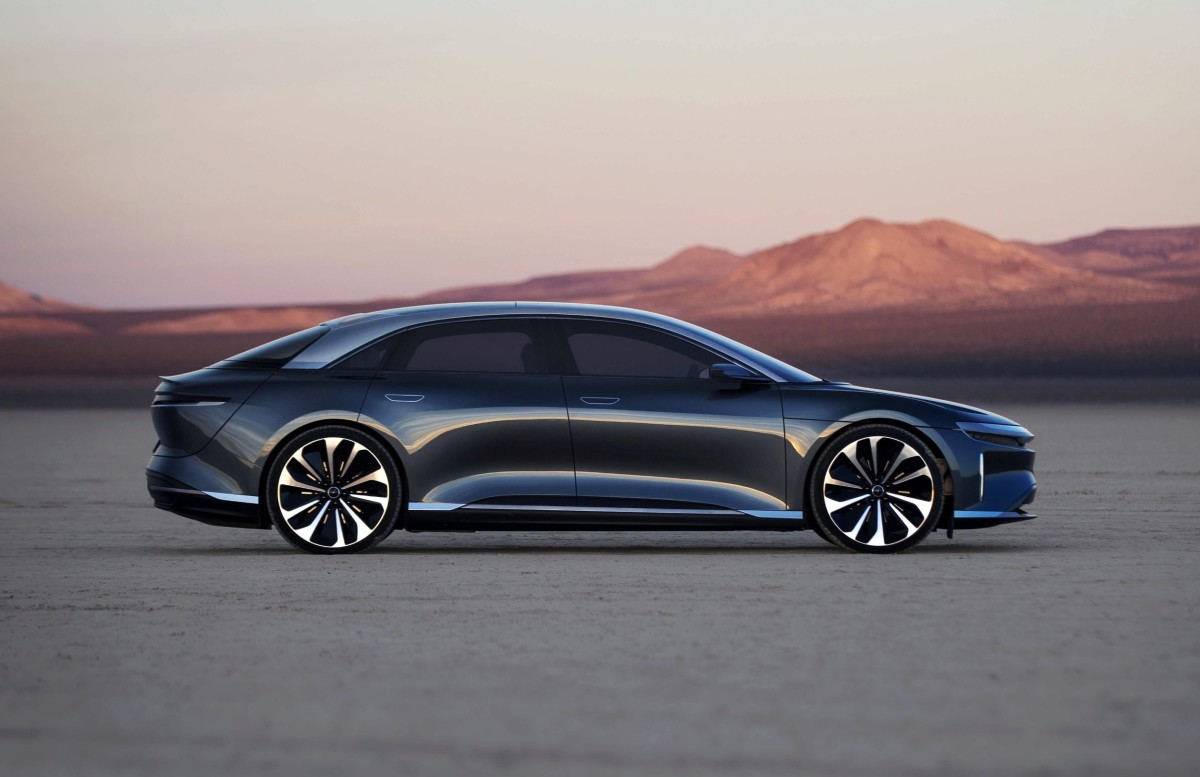
Lucid
Highlights from the Test
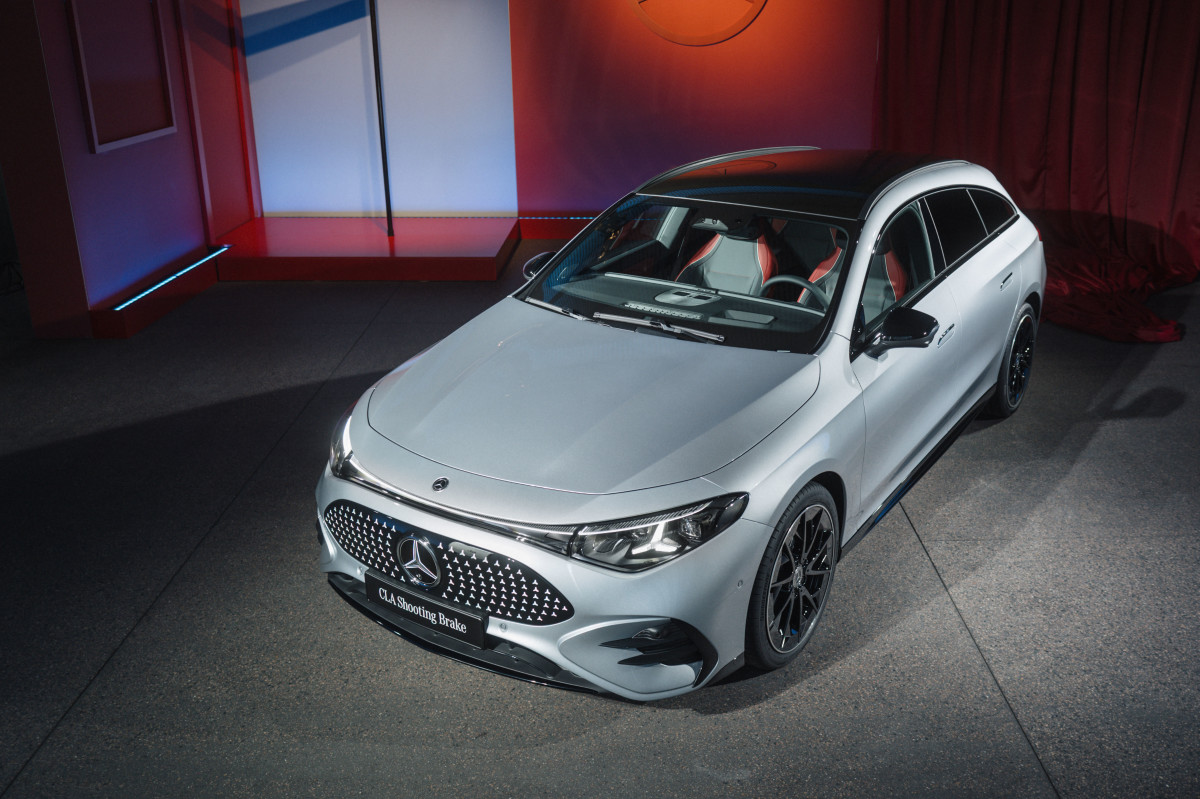
Motor’s results highlight how much winter can cut into range, even for high-end, long-range EVs. The Lucid Air managed the longest real-world run at 323 miles, but that’s still a 46 percent drop from its 597-mile WLTP rating. The Mercedes-Benz CLA went from 441 miles to 262, a 41 percent hit. The Audi A6 e-tron dropped from 406 miles to 250, losing 38 percent.
Other big-name EVs saw the same kind of drop. The BMW iX managed 241 miles, down from a 398-mile WLTP figure – a 39 percent loss. The Tesla Model Y hit 223 miles versus its 391-mile rating, down 43 percent. Even the new Hyundai Ioniq 9 only managed 230 miles on an official 373-mile range, a 38 percent decline.
Least Affected EVs – All Not Sold in America
When ranked by percentage deviation rather than total distance, a different set of EVs emerges as the top performers. Compared to EVs that lost over 40 percent of their range, these models clearly have the edge in winter consistency. Most of them focus on smaller size, efficiency, and moderate power rather than headlining figures.
Model | WLTP Range (miles) | Achieved Range (miles) | Deviation |
MG6S EV | 301 | 214 | -29% |
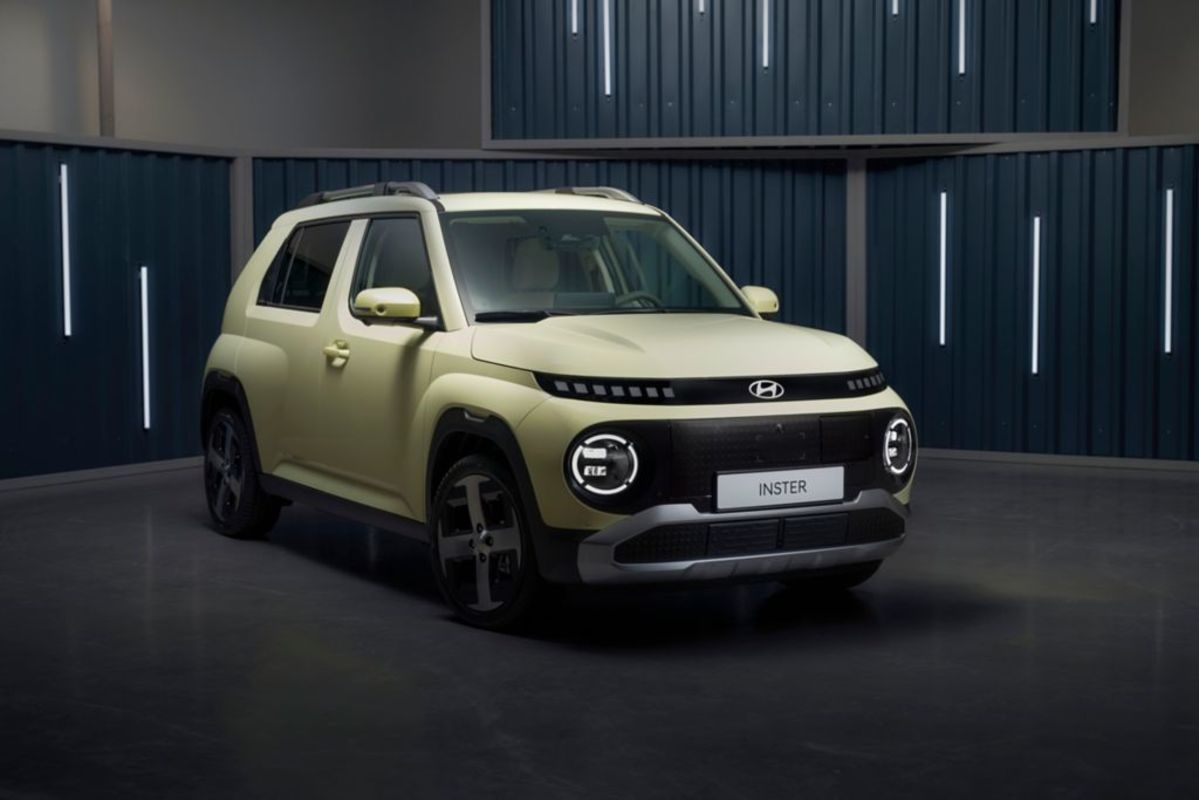
Hyundai Inster | 224 | 159 | -29% |
MG IM6 | 314 | 219 | -30% |
KGM Musso | 235 | 163 | -31% |
Voyah Courage | 273 | 186 | -32% |
Here’s the catch: none of these top winter performers are sold in America. Some are built in China, like the MGS6 EV; others are for Europe or select global markets, like the Hyundai Inster and KGM Musso. For now, American buyers can’t get their hands on the EVs that seem best suited for extreme cold.
Norway’s latest winter test drives home a simple point: if you live somewhere that’s cold for much of the year, range consistency matters more than big battery numbers.
Hyundai


There are no reviews to display.