




From the Ferrari’s Shadow to a New Supercar Era
The Ferrari F40 and 288 GTO are legendary for several reasons, so much so that they're the object of tributes and modern takes like the SC40, Lewis Hamilton’s (apparently) canceled supercar project, and the resurrected 288 GTO by Automobili Torino. Both nameplates are built with almost zero compromise – not to mention manual transmissions that offer a raw mechanical connection with the car.
But here’s something most people miss: both the F40 and 288 GTO actually used turbochargers from Japan’s IHI. Fast forward to today, and IHI is back in the spotlight, but this time under the hood of a different Italian supercar. Lamborghini’s new Temerario, the plug-in hybrid that replaces the V10, also relies on IHI turbochargers.
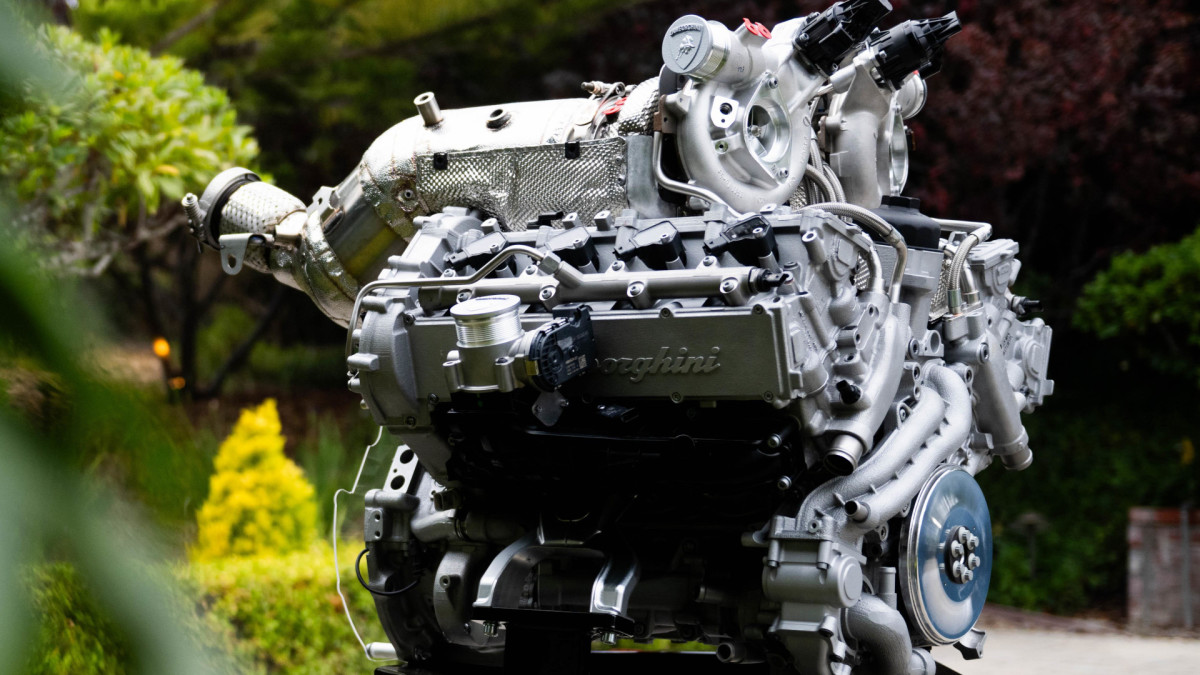
Engineering a Turbo for Five Digits
But beyond the fun trivia you’ve just learned, Lamborghini actually set out to do something almost no turbocharged road car has tried: hit a 10,000 rpm redline. That was the challenge for IHI, and that meant going back to the kind of engineering puzzles it last saw in the days of old-school supercars, only now with the added twist of hybrid tech.
IHI spent about five years building one tough enough to handle the heat, vibration, and crazy speeds the Temerario needs, Nikkei Asia reports. Most turbo engines can’t rev as high as naturally aspirated ones because exhaust temperatures and bearing loads can get out of hand quickly.
So IHI took its RHZ-series turbo and reworked it from the inside out. The heavy machinery company thinned the compressor blades and trimmed the bearing housing to reduce internal resistance, letting the turbo spin faster as the engine revs climb. The bearing housing uses a special aluminum-copper-magnesium-silicon alloy, a material with roots in aerospace research.
To make sure things are perfect, the firm went through over 100 prototypes, tweaking things by as little as a millimeter to get the vibration and response just right. The end result is a turbo that can handle 10,000 rpm all day and still be ready for mass production – exactly what Lamborghini needed.
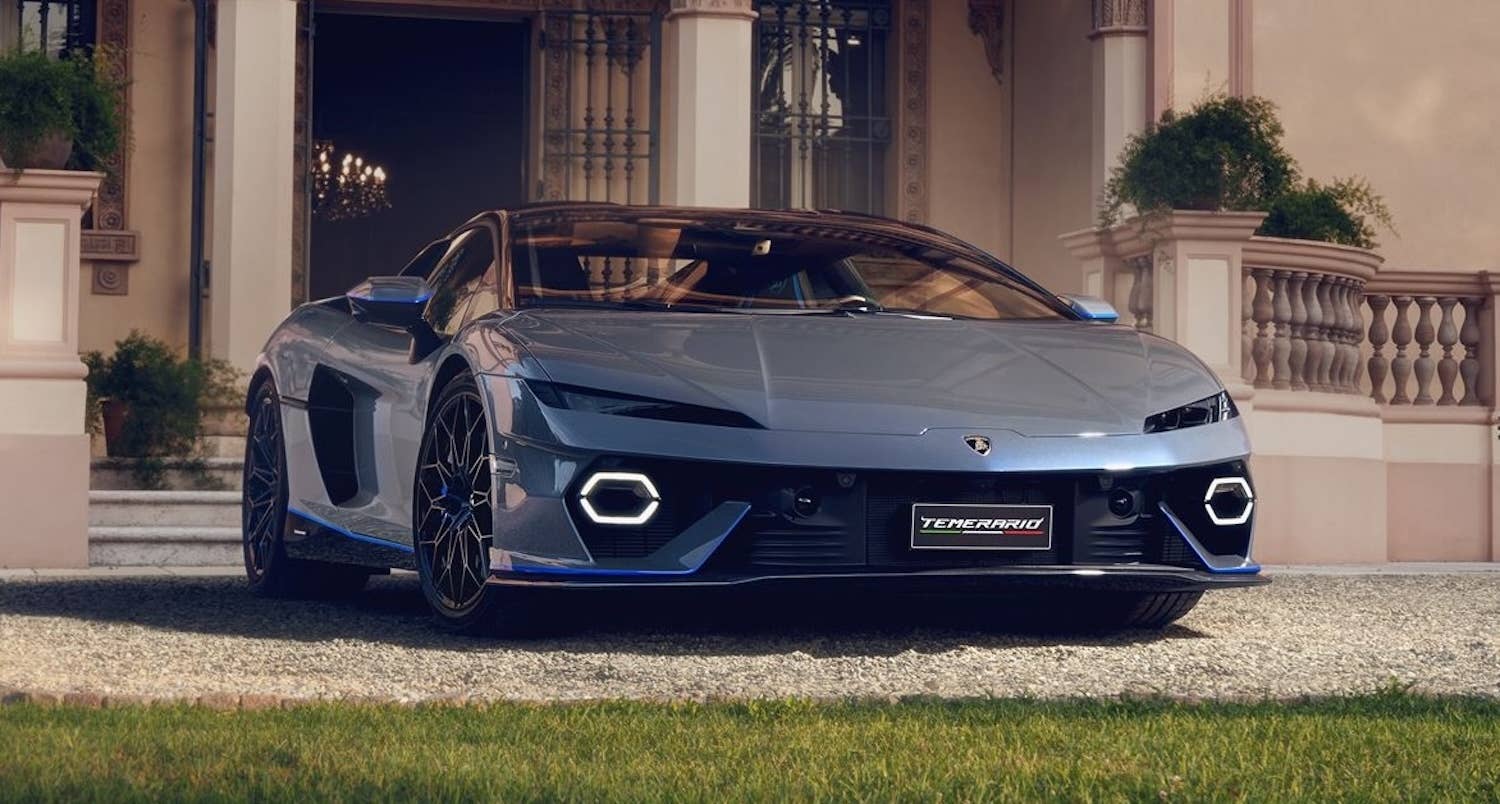
Lamborghini
Reaching Customers in Early 2026
All of this tech comes together in a brand-new 4.0-liter twin-turbo V8, teamed up with three electric motors. The engine alone puts out about 789 horsepower, and the whole system pushes close to 907. That 10,000 rpm redline is real, and it’s paired with an eight-speed dual-clutch. Lamborghini says it’ll do 0-60 in about 2.7 seconds and top out past 210 mph, which is expectedly wild in the era of hybrid Lambos.
First deliveries of the Temerario are set for early 2026. Most owners probably won’t think twice about who built the turbo when they hit that 10,000 rpm redline. But under all the carbon fiber and hybrid systems, there’s a direct link to the F40 and 288 GTO – a reminder that even today’s cutting-edge supercars still owe something to the legends that came before.
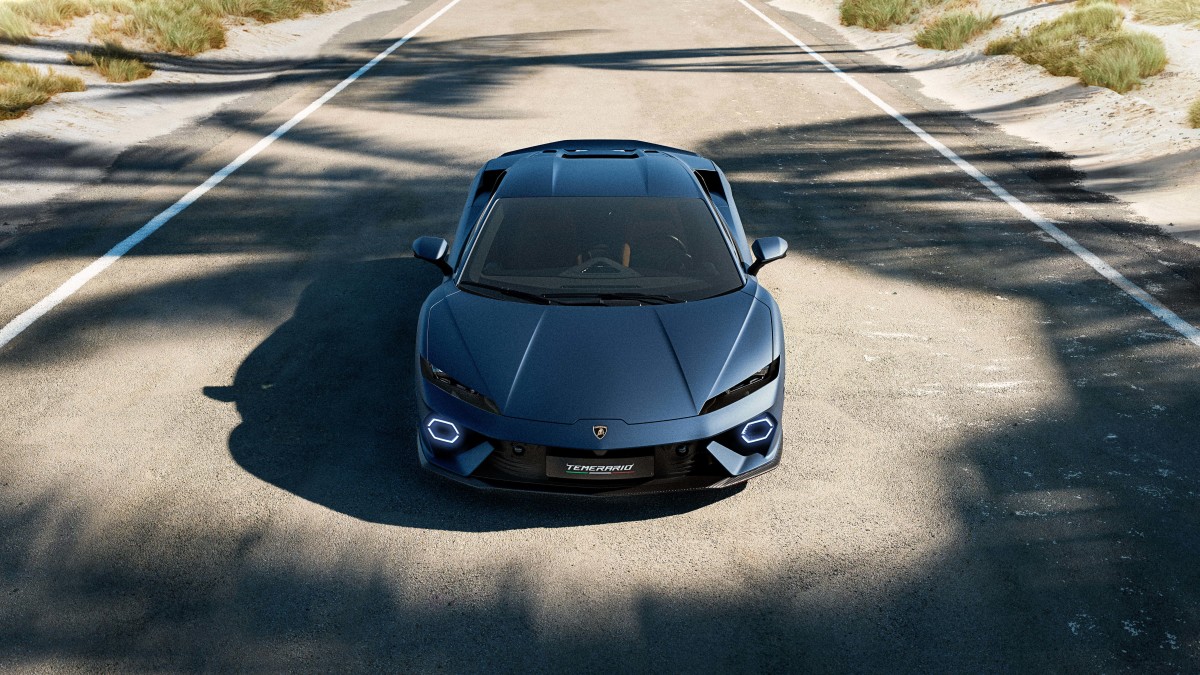
Lamborghini


There are no reviews to display.