


The Need for Speed Takes a New Turn
Need for Speed should sound pretty familiar to readers of this website; some might remember the BMW M3 GTR from the video gameNeed for Speed: Most Wanted, while others may think of the 2014 film Need for Speed, which featured the S197 Ford Mustang with twin blue stripes. Now, the NFS name is making a return, though this time, it has nothing to do with street racing.
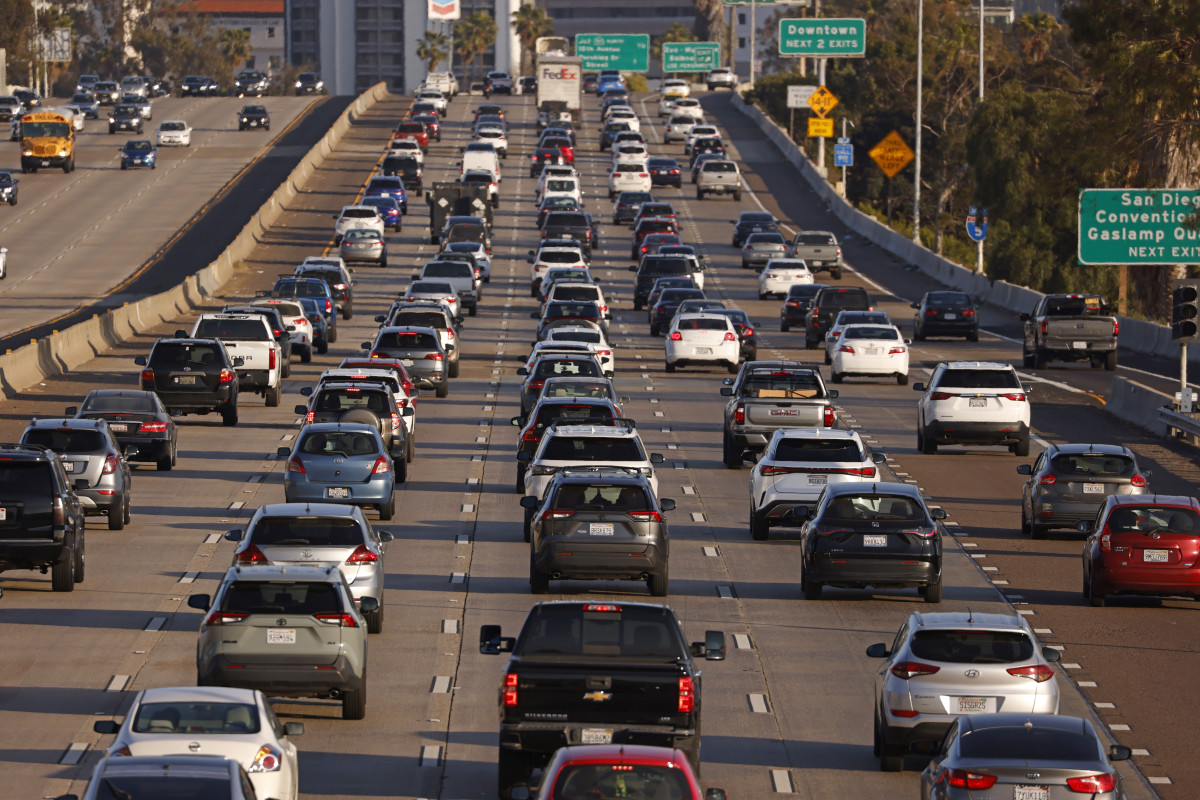
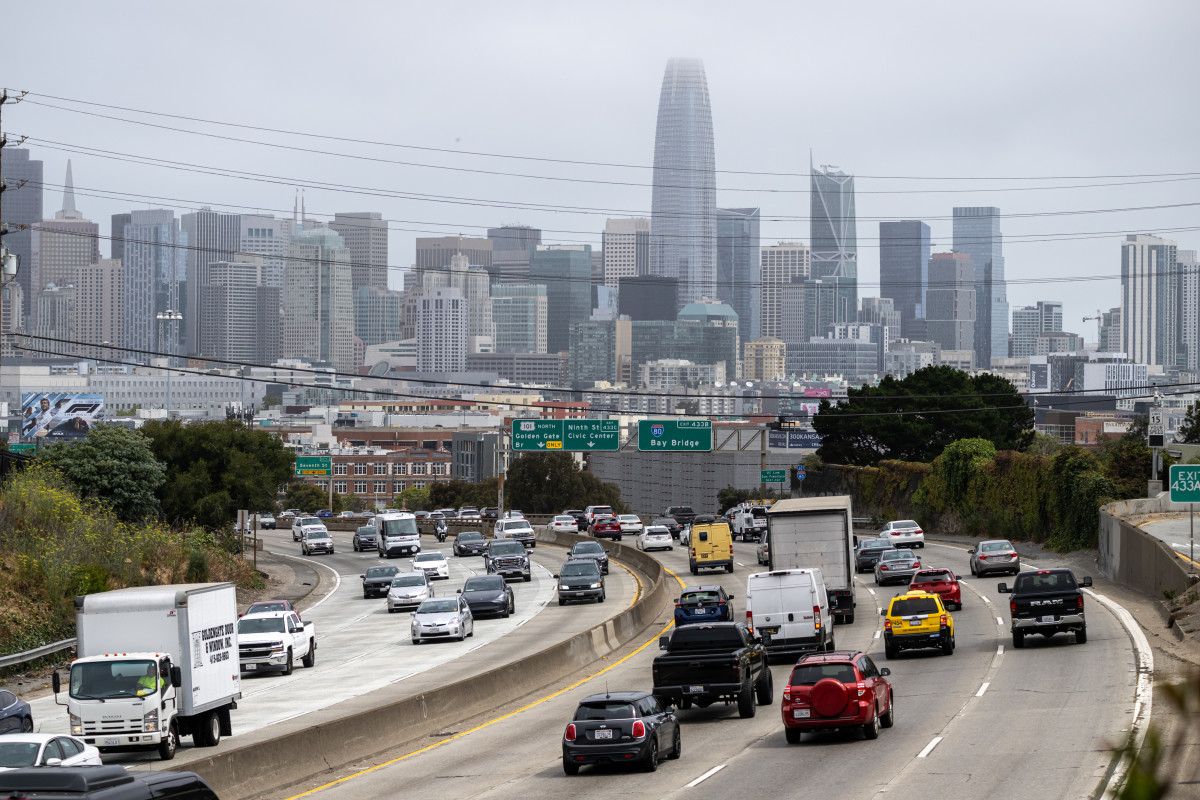
U.S. Senator John Cornyn (R-TX) introduced the Need for Speed Act, a new bill aimed at improving traffic management, particularly during emergencies. The proposal would develop a national infrastructure intelligence tool to enhance interstate coordination and keep traffic moving by identifying bottlenecks and other roadway obstacles.
A Disaster That Slowed the System
Senator Cornyn highlighted the collapse of the Francis Scott Key Bridge in Baltimore, Maryland, in March 2024, when a container ship struck the bridge, forcing vehicles to reroute and causing heavy congestion on nearby roads. The collapse also affected trucking and freight movement and strained supply chains, with the senator saying it “disrupted millions of dollars in trade and travel.”
He added, “This legislation would empower the Department of Transportation to develop a national intelligence tool that will boost interstate coordination, ease congestion, and improve roadway safety.”
The national infrastructure intelligence tool would integrate data into a single platform, enabling the USDOT, states, and local agencies to coordinate more effectively during emergencies. The bill also aims to strengthen national security and improve U.S. competitiveness.
Getty Images
Turning Data Into Traffic Solutions
Some of the datasets the tool would use include highway performance monitoring systems, commodity data, truck parking demand, and urban congestion reporting.
While the use of “Need for Speed” in this case may not be as high-octane as heavily modified street cars, it could help reduce losses caused by traffic congestion. However, the proposal may also have downsides, including the cost and government spending required to build new software platforms. It could also limit states’ flexibility in managing infrastructure decisions and raise privacy and cybersecurity concerns, especially since the platform would centralize large amounts of data.
Nevertheless, the bill also reflects a broader push toward modern, data-driven transportation technologies. Separate proposals have even explored a “kill switch” that could detect driver intoxication and prevent a vehicle from moving.


There are no reviews to display.