




A new CNBC report drawing on Cox Automotive data argues the US new car market is increasingly behaving like a luxury category, with higher income households continuing to buy new vehicles while lower income shoppers are pushed toward used cars or forced to delay purchases.
CNBC frames the trend as a K shaped economy dynamic, where one group keeps moving up and another falls behind, and the car market is now reflecting that divide more clearly than it did before the pandemic.
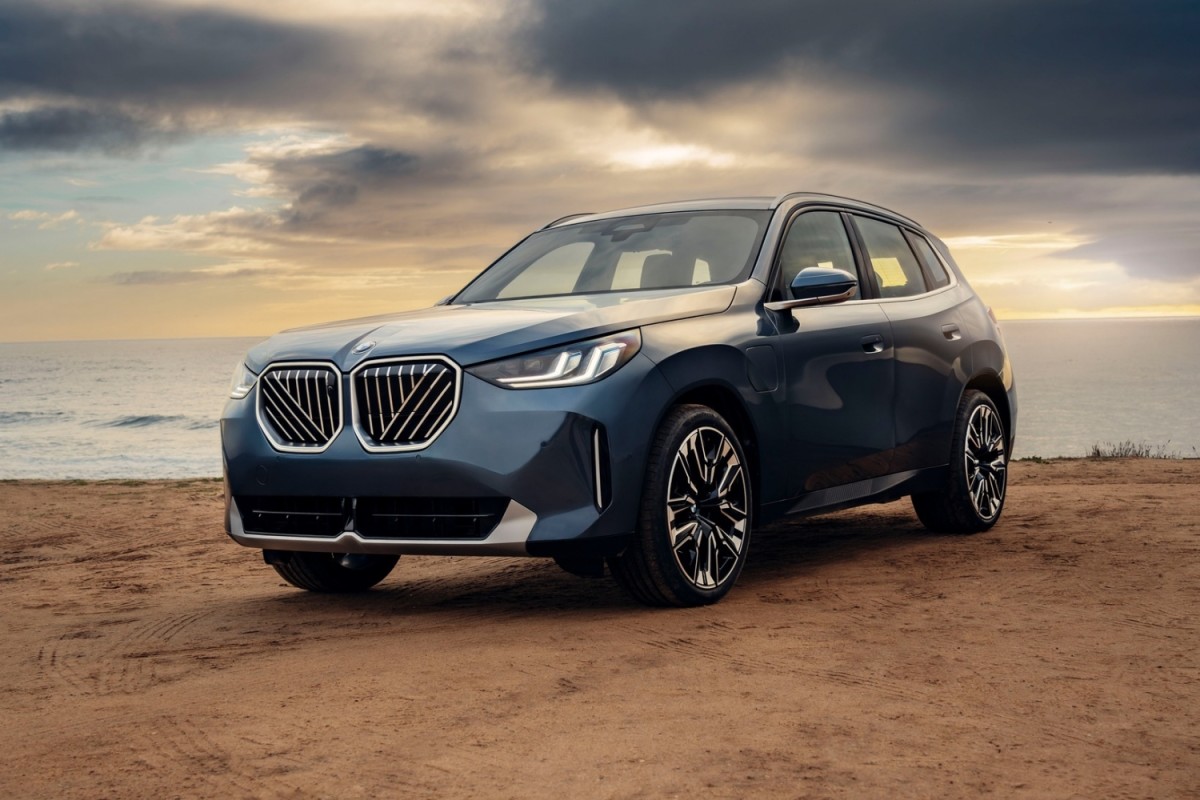
BMW
Who Is Still Buying New Cars?
Cox data cited in the CNBC report shows the buyer mix shifting upmarket in a way that changes what automakers can profitably sell. Households earning $150,000 or more now account for about 43 percent of new car purchases, up from roughly one third in 2019, while households earning under $75,000 have dropped to about a quarter of new car purchases, down from more than a third in 2019.
That is a major swing in just a few years, and it helps explain why automakers keep leaning into higher trim levels and pricier models, because that is where the remaining new car demand is concentrated.
Why Payments Still Feel Like A Wall
The CNBC piece ties that change to affordability metrics that have stayed elevated even as inventories have improved. Cox Automotive has tracked average monthly payments around the high seven hundred dollar range, and it continues to cite average new vehicle prices hovering around the $50,000 level, which makes the entry point for many mainstream buyers feel out of reach.
That pressure feeds a cycle where shoppers either stretch payments longer or exit the new market entirely. It also reinforces confusion about the real causes of price inflation.
What It Means For Shoppers And The Industry
For us, the K shaped market means a larger share of new car options are being tailored to buyers who can absorb higher payments, while everyone else has to shop used, hold on to older cars longer, or compromise on size and features. For automakers, it means profit can stay strong even if unit volume softens, but it also raises the risk that the bottom of the market never really comes back, which could shrink the future pool of brand loyal buyers.
In that environment, shoppers who do stay in the new car lane often become more selective and more value focused, because the cost of getting the decision wrong is higher than it used to be.


There are no reviews to display.