




Redefining the Lens
The six category winners of this year’s Women’s Worldwide Car of the Year (WWCOTY) have been announced. Before anything else, it’s worth emphasizing that there is no such thing as a “woman’s car” – a point the awarding body itself has long maintained. Rather, the jury is composed entirely of women, giving them a voice in what has traditionally been a male-dominated industry.
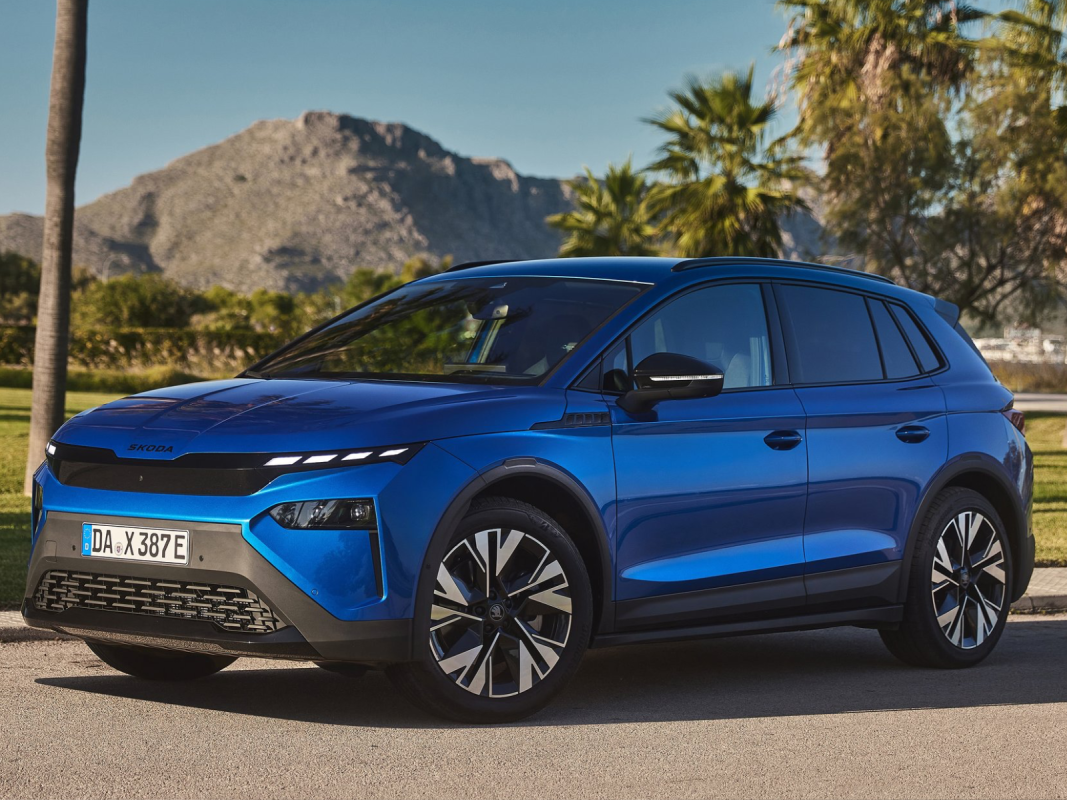
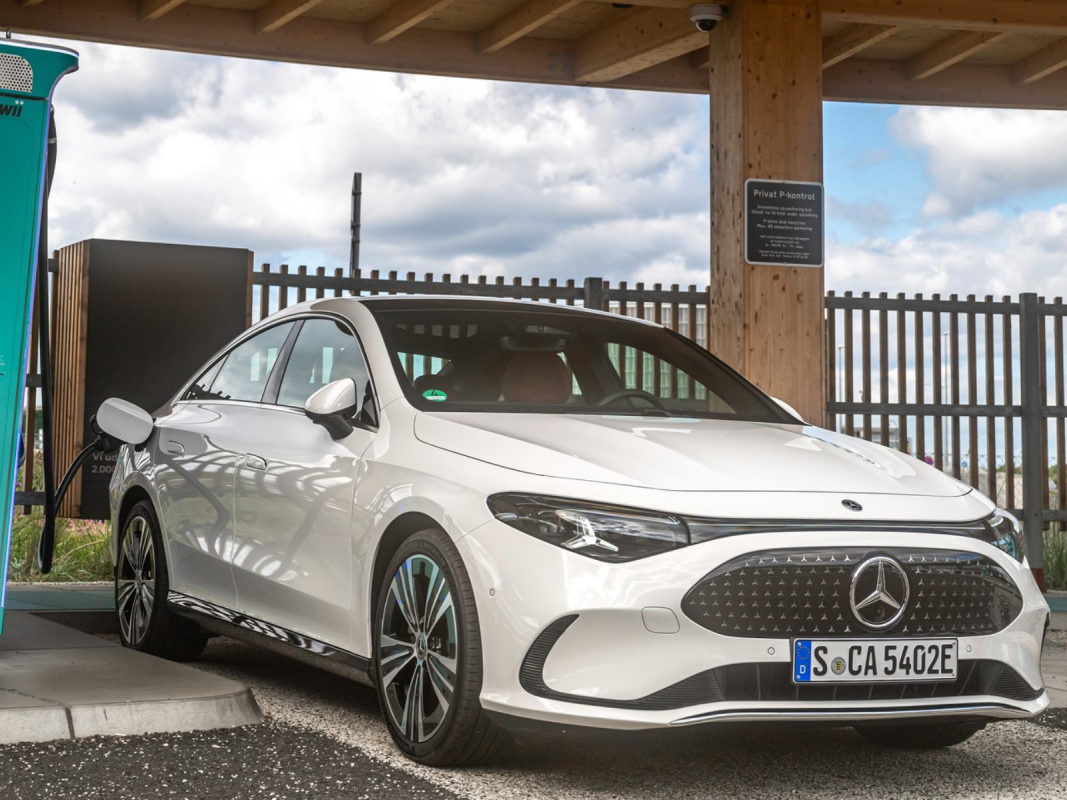
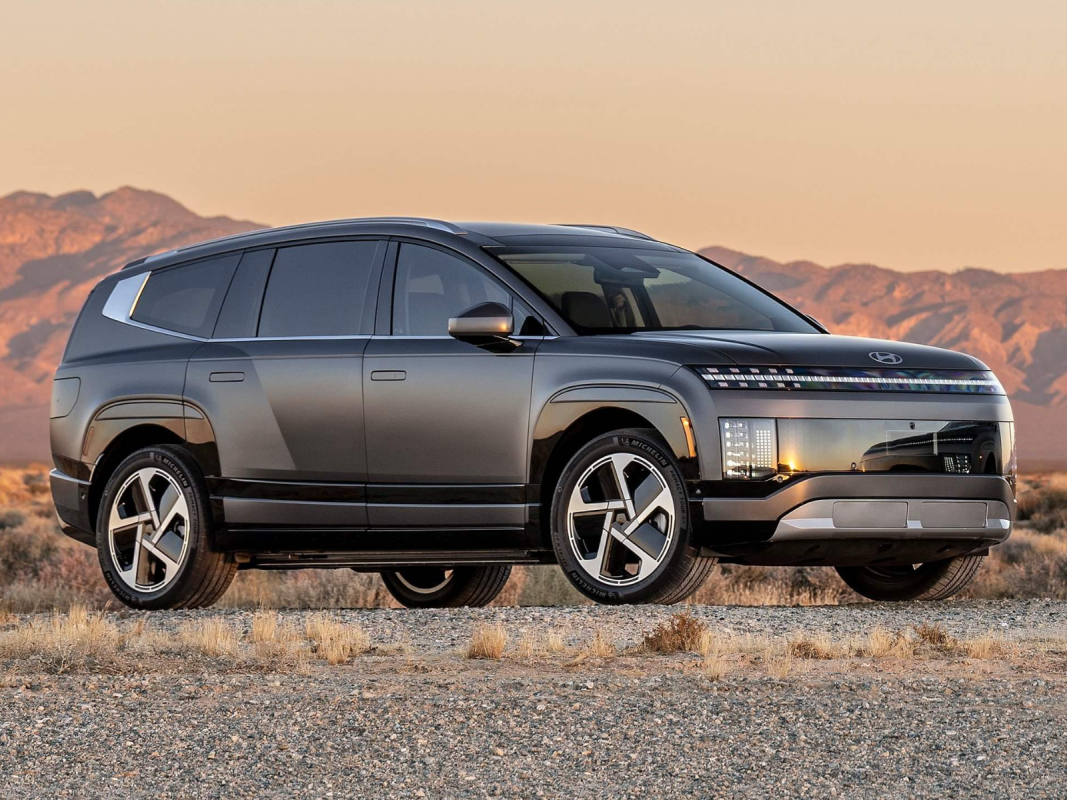
Now in its 15th edition, this year’s category winners are the Nissan Leaf (Compact Car), Škoda Elroq (Compact SUV), Mercedes-Benz CLA (Large Car), Hyundai Ioniq 9 (Large SUV), Toyota 4Runner (4×4), and Lamborghini Temerario (Exclusive Car).
The jury consists of 84 women motoring journalists from 54 countries, and all eligible vehicles – from an initial list of 55 candidates – were required to be produced and sold in at least two continents or 40 countries between January and December 2025.
Electrification With Purpose
WWCOTY cited the Nissan Leaf for its “practical approach, offering smooth, quiet driving and outstanding efficiency.” Now in its third generation, introduced last year, the Leaf has evolved from a traditional hatchback into a crossover body style. The Škoda Elroq, meanwhile, is a Czech-built EV that shares its underlying platform with the Volkswagen ID.4. Not sold in the United States, the Elroq earned its category win thanks to its practical interior packaging and aerodynamic improvements, delivering a driving range of over 311 miles under the WLTP test cycle.
That roughly aligns with the EPA-rated range of EVs such as the Tesla Model Y RWD, once testing differences are accounted for, with WLTP typically more forgiving.
The Mercedes-Benz CLA – which was recently crowned 2026 Car of the Year in Europe – won the Large Car category for its advanced technology, digitalization, and refined driving dynamics. The Hyundai Ioniq 9, on the other hand, was recognized for its “generous interior space, modularity, and a clear focus on comfort for all occupants.” Available in the U.S. market, it competes in the three-row EV segment alongside models such as the Rivian R1S and Cadillac Vistiq.
Trail Toughness and Supercar Theater
The remaining two category winners retain internal combustion as the core of their propulsion, setting them apart from the more electrified entries. WWCOTY recognized the Toyota 4Runner for staying true to its traditional SUV roots, combining a 4×4 drivetrain with a body-on-frame chassis. The Lamborghini Temerario, the successor to the Huracán, uses a twin-turbo V8 engine with three electric motors, producing a combined output of up to 907 horsepower.
Beyond the category awards, the organization also presented Renault with the Best Tech Award, while Ford received the Sandy Myhre Award, which honors a brand’s commitment to women.
The six category winners will now advance to the final round for the overall Car of the Year title, set to be announced in March during the week of International Women’s Day. A month later, the World Car of the Year – a separate organization – is scheduled to reveal its winner on April 1 from a shortlist of 10 finalists, which, like the WWCOTY list, includes the Hyundai Ioniq 9, Mercedes-Benz CLA, and Nissan Leaf.


There are no reviews to display.