


EVs Get a Hybrid Lifeline
Horse Powertrain is making a bold play just as the industry starts hedging its EV bets, offering a pathway to convert electric platforms into hybrids. The concept centers on modularity, allowing automakers to integrate combustion engines into existing EV architectures without a ground-up redesign. It’s a strategy that could save billions in development costs while buying time as markets stabilize.
Related: New Powertrain Turns EV Platforms Into Hybrids Without Redesign
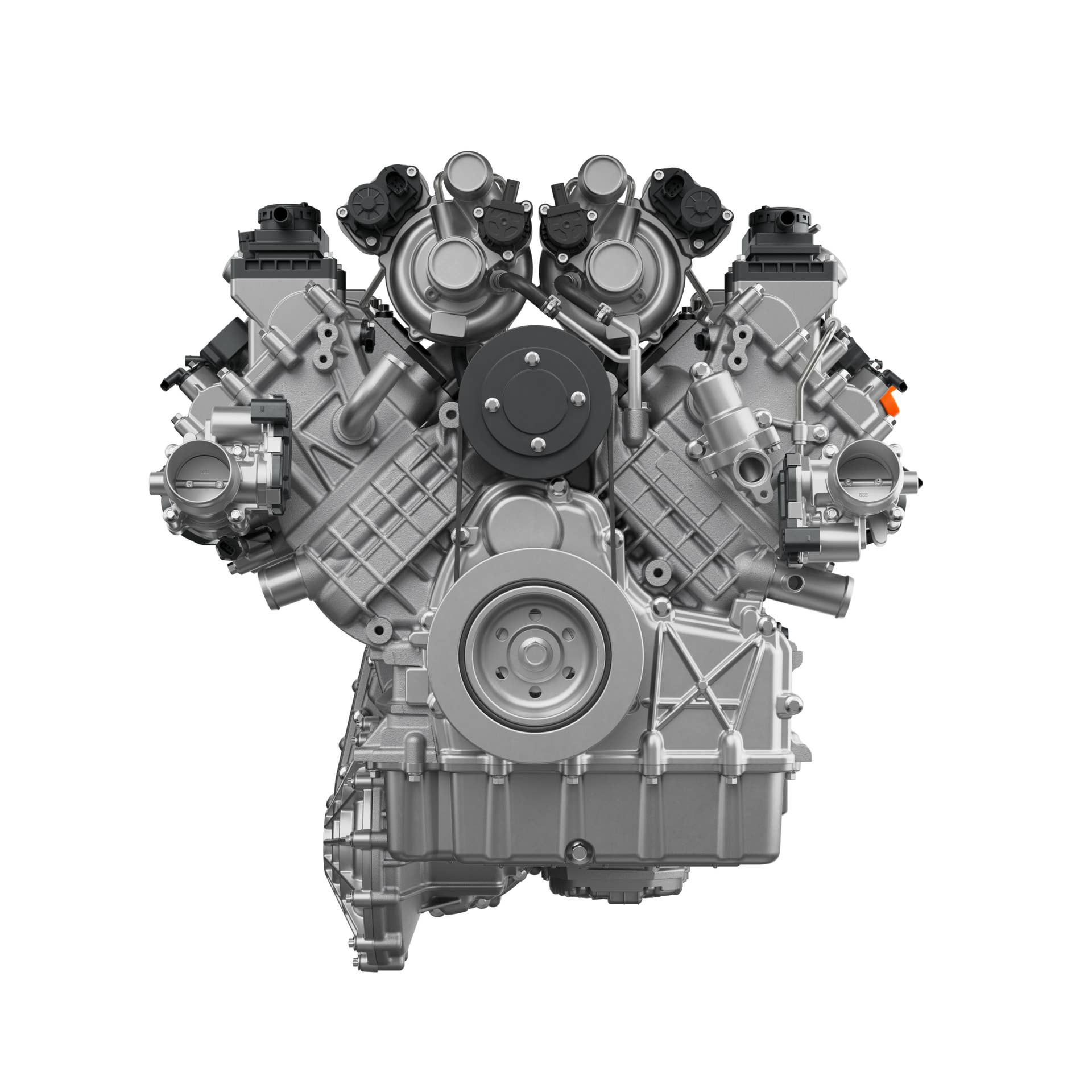
That paradigm underpins the debut of the Horse W30, the company’s first V6, and a clear signal of where it sees demand heading. This 3.0-liter unit is designed from the outset for hybrid applications, with flexible transverse and longitudinal mounting. It’s engineered to slot into a wide range of vehicles with minimal compromise, giving manufacturers a plug-and-play solution if they need to pivot quickly away from full electrification.
Horse Powertrain
Big Power, Smarter Efficiency
Rather than chasing gains through larger batteries or more powerful motors, Horse is focusing on system-level efficiency. Advances in material science, including the use of higher-grade steels, are improving motor efficiency and reducing energy loss. The goal is to extract more performance from less hardware, keeping weight and cost in check.
The W30 delivers on that brief. Weighing just 353 lbs, a full 22 lbs lighter than any comparable V6, it produces up to 536 hp and 516 lb ft of torque, revving to 8,000 rpm. Integrated exhaust manifolds and turbochargers mounted directly to the cylinder heads improve thermal management and throttle response. Paired with the 4LDHT hybrid transmission, the setup uses a P1 motor for charging and crank support, and a P3 motor for propulsion, balancing output and efficiency without inflating battery capacity.
The Age of Hybrids
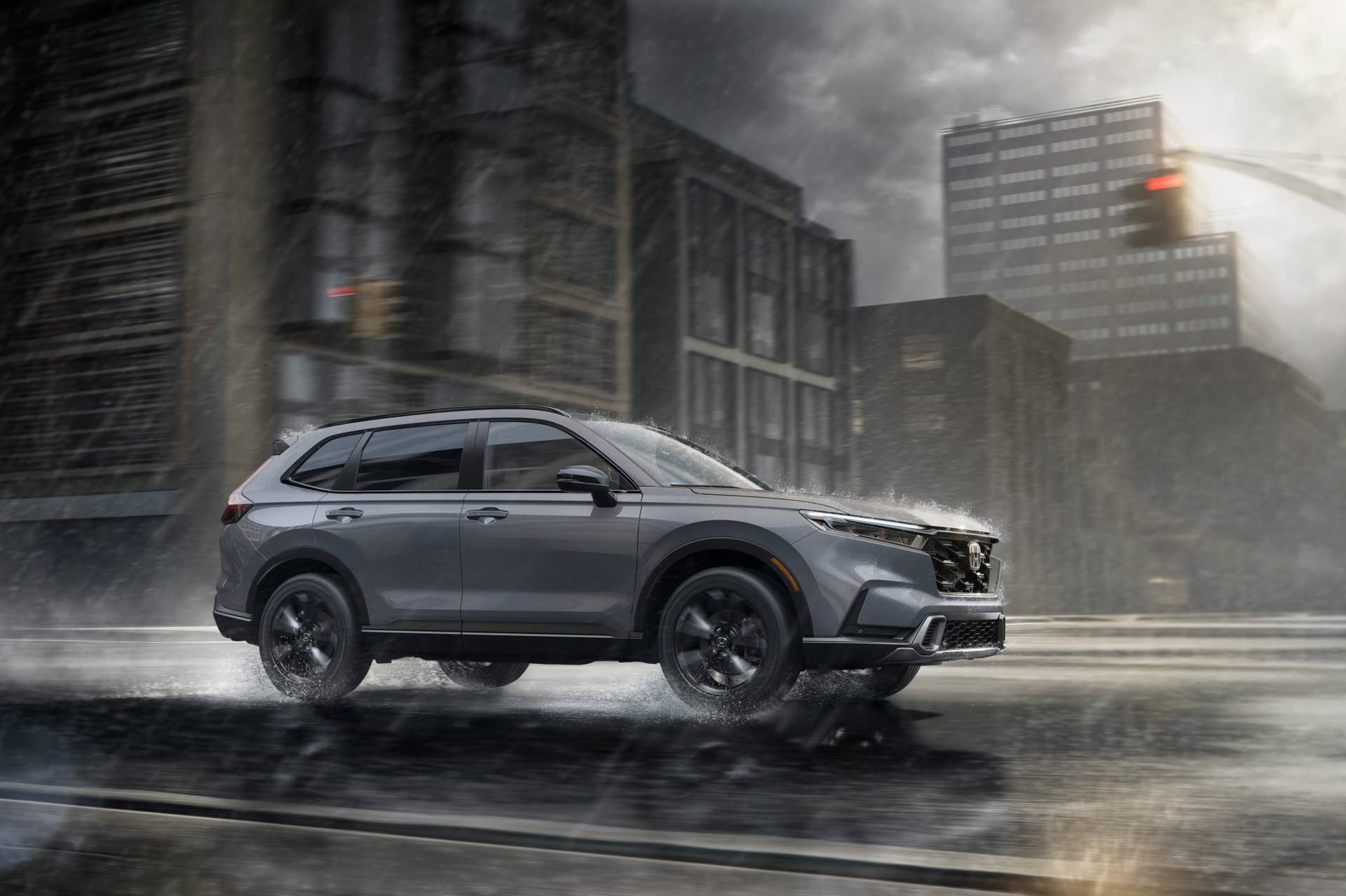
The industry is in recalibration mode. EV adoption is still growing, but not at the pace many expected, and infrastructure remains uneven across key markets. That’s forcing automakers to rethink timelines, and hybrids are emerging as the most viable bridge between regulation, cost, and consumer demand.
I'm excited for this engine, particularly that 8,000 RPM redline. From a buyer’s standpoint, the appeal hasn’t changed. Hybrids offer a strong range, quick refueling, and increasingly impressive efficiency without requiring lifestyle changes. Systems like the W30 raise the ceiling further, adding serious performance into the mix. With production slated for 2028, it’s a signal that hybrids are gearing up for a sustained new golden age.


There are no reviews to display.