


Early Promise, Familiar Concerns
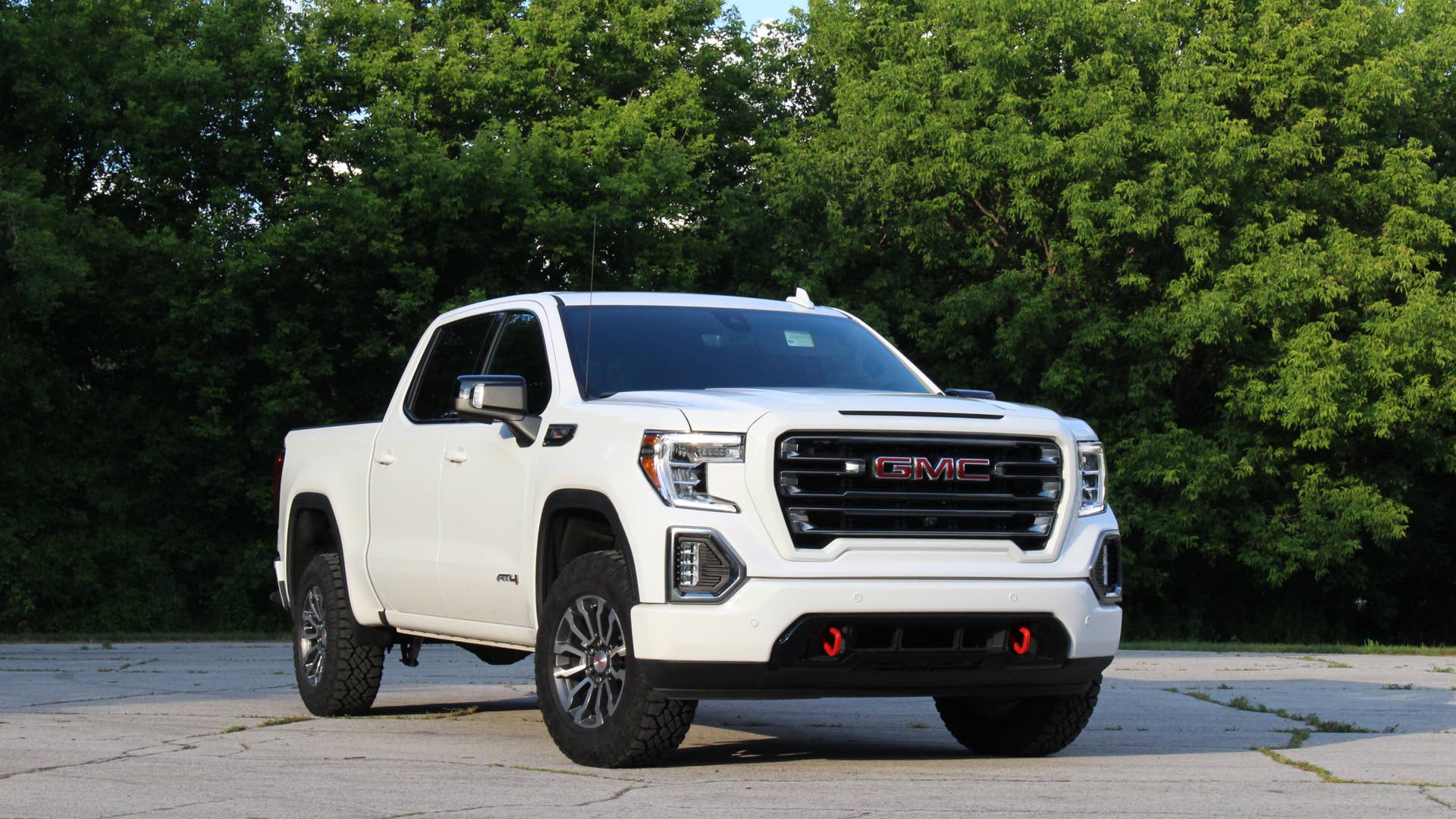
GM rolled out the 3.0-liter Duramax LM2 as its answer for folks who wanted diesel power in a half-ton truck or SUV, but didn’t want to go full heavy-duty. You’ll find it in models like the GMC Sierra 1500. With 277 horsepower and 460 lb-ft of torque, it promised plenty of muscle for towing, plus better fuel economy than the big V8 diesels.
Owners liked how smooth and efficient this engine felt on the highway. For a while, it was the diesel sweet spot in GM’s lineup. But if you’ve been following the forums, you’ll know early LM2s – especially 2020 and some early 2021 builds – picked up a reputation for timing chain issues before GM updated the parts.
That’s exactly what showed up in a recent engine teardown: a failed LM2 from a 2020 Sierra 1500 with about 140,000 miles. The twist? This truck wasn’t neglected. Oil changes happened every 6,000 to 8,000 miles, even with multiple owners.
Normally, you’d expect a healthy engine with this kind of maintenance history. Instead, what landed on the engine stand was a leaky, grimy mess that clearly had a story to tell.
An Internal Disaster
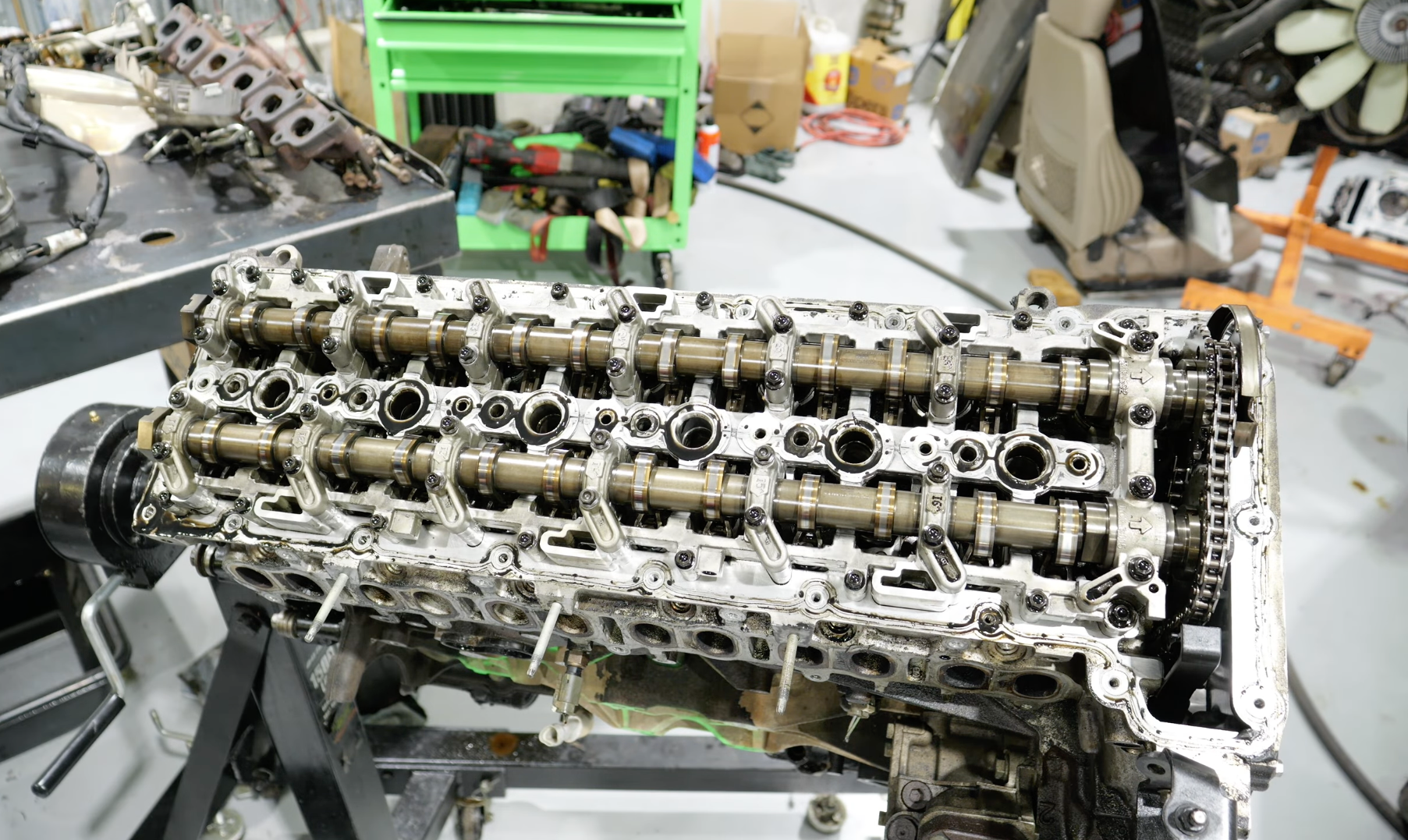
First look? The turbo spun freely, intake runners looked decent, and nothing on the exhaust side screamed disaster. Even the injectors and glow plugs just showed a bit of corrosion – nothing that would make anyone panic. But that changed fast once the valve cover came off.
Right away, it was obvious: some rocker arms were missing, others were trashed. That’s a classic sign of a timing problem. Sure enough, at the back of the engine, the timing chain had jumped off the cam gear. Inside, there were broken chain guides, loose bits everywhere, a failed tensioner piston, and way too much slack in the chain.
This engine had the earlier timing chain design – the one known for stretching as miles rack up. Once there’s enough slack, the tensioner can’t keep up, and the engine jumps timing. That’s when pistons start hitting valves.
Pulling the cylinder head confirmed it. The pistons had deep valve marks – what the teardown host called a “Mickey Mouse failure” because of the shape. The pistons weren’t cracked, but it was clear they’d been smacking valves for a while.
The real shock came from the bottom end. Dropping the oil pan revealed thick metal sludge, shredded plastic from the timing guides, and toast bearings. Rod bearings were spun, journals were chewed up, and the crankshaft was finished.
I Do Cars/YouTube
What Owners Should Watch For
So, what did we learn from the video? This wasn’t a sudden blow-up. It probably started with a slow timing chain stretch, then got worse as warning signs were missed or ignored. Odds are, there were trouble codes, timing faults, and drivability quirks long before things got this bad.
That’s why regular oil changes alone couldn’t save this engine. Maintenance is important, but so is knowing where the weak spots are – especially with early builds.
If you’re shopping for a used LM2 truck, make sure the timing chain parts have been updated. Fixing it ahead of time can cost $8,000 to $9,000, and a used replacement engine isn’t much cheaper.
The LM2 can be a solid diesel if it’s looked after, but this teardown is a reminder: one weak link can turn a good engine into a costly lesson.
Zac Palmer


There are no reviews to display.