


Smashing Expectations
Big horsepower numbers typically come from equally big engines, but this latest dyno project flips that expectation on its head. The in-house experiment evolved from a modest development mule into a full-blown engineering statement capable of producing supercar-level output, and then some. What began as testing camshaft development and OEM-based modifications quickly escalated into a pursuit of absolute limits.
The philosophy behind the build was simple: push conventional hardware far beyond expectations. Rather than relying on exotic race-only components, the team intentionally retained a stock block and crankshaft, demonstrating that significant performance still exists within GM’s LV engine architecture when paired with modern turbocharging, refined airflow strategies, and careful calibration.
From Workhorse Truck Engine to Boost Monster
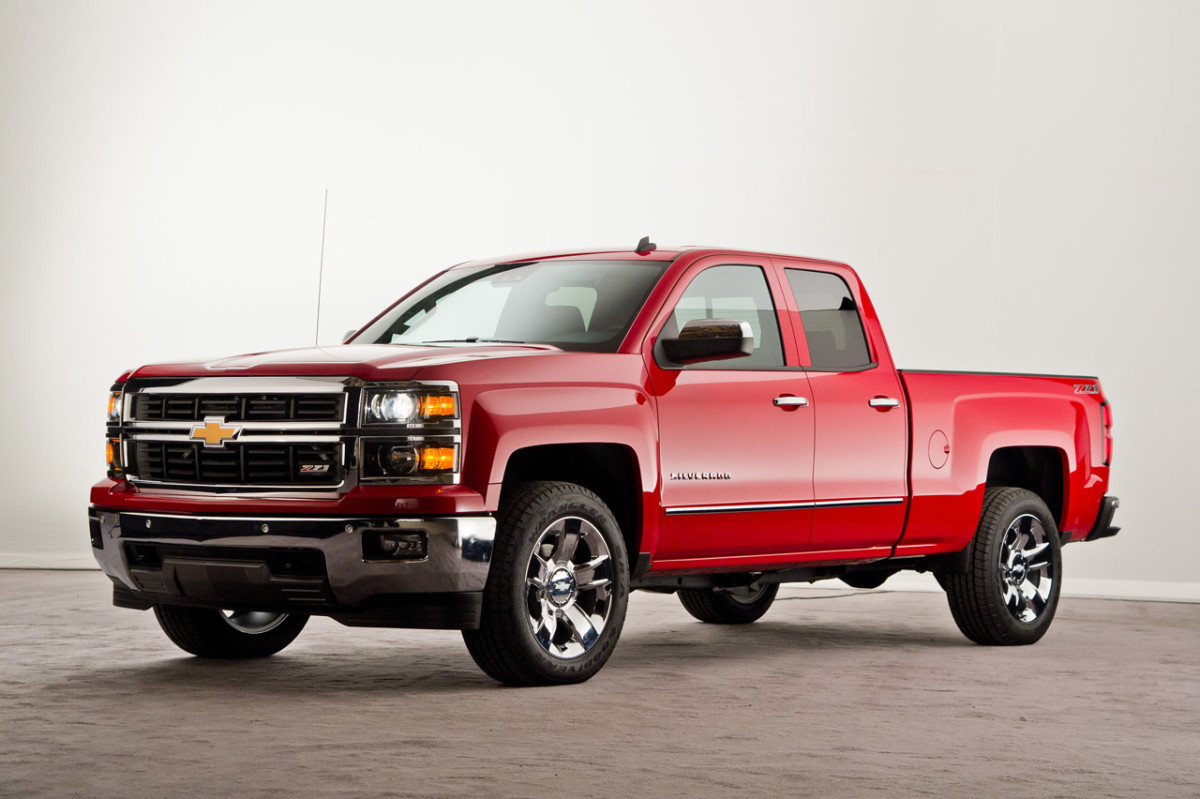
Producing this level of power from a stock-based V6 isn’t entirely surprising given GM’s engineering. The build starts with the Gen V 4.3-liter LV3 V6, closely related to the LT-series V8 family. Featuring an aluminum 90-degree architecture, the truck-born engine originally produces 285 horsepower and 305 lb-ft of torque with Direct Injection, Active Fuel Management, and Variable Valve Timing. Introduced in 2014 Silverado and Sierra models, its durable design and forged steel crankshaft have long made it a strong candidate for high-performance forced-induction builds.
That shared DNA enables extreme performance builds. For this setup, AFM and VVT were deleted, while direct injection was converted to port injection managed by a Holley Dominator ECU running VP Racing MS109 fuel. Twin mirror-image turbos feed a reinforced Holley Hi-Ram intake and water-to-air intercooler, with output climbing from about 660 horsepower at 8 PSI to over 1,000 horsepower at 23 PSI during dyno testing.
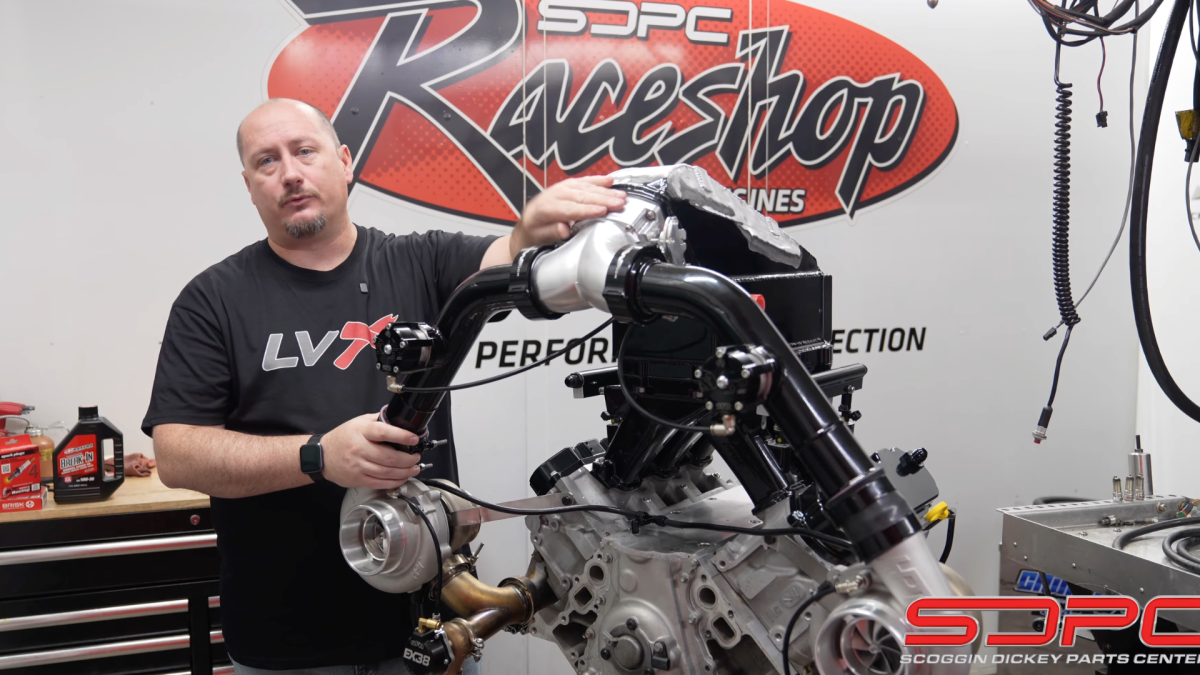
YouTube - @Sdpartscenter
Record Numbers – And Power Left on the Table
The final dyno pull arrived at 33 PSI of boost, where the compact V6 produced a staggering 1,403 horsepower and 1,124 lb-ft of torque. Remarkably, the roughly 400-pound complete engine package delivers an extraordinary 3.12 horsepower-per-pound ratio, territory normally reserved for professional motorsport powerplants and maybe even GM's venerable LS engine.
Even more impressive, the engine showed no signs of mechanical distress at shutdown. With stable oil pressure, controlled temperatures, and continued power gains visible, the team ended testing purely to preserve the engine. If anything, this twin-turbo V6 proves that modern engine architecture, clever fabrication, and relentless experimentation can redefine what “small displacement” performance truly means.


There are no reviews to display.