




Toyota's New Performance Trinity
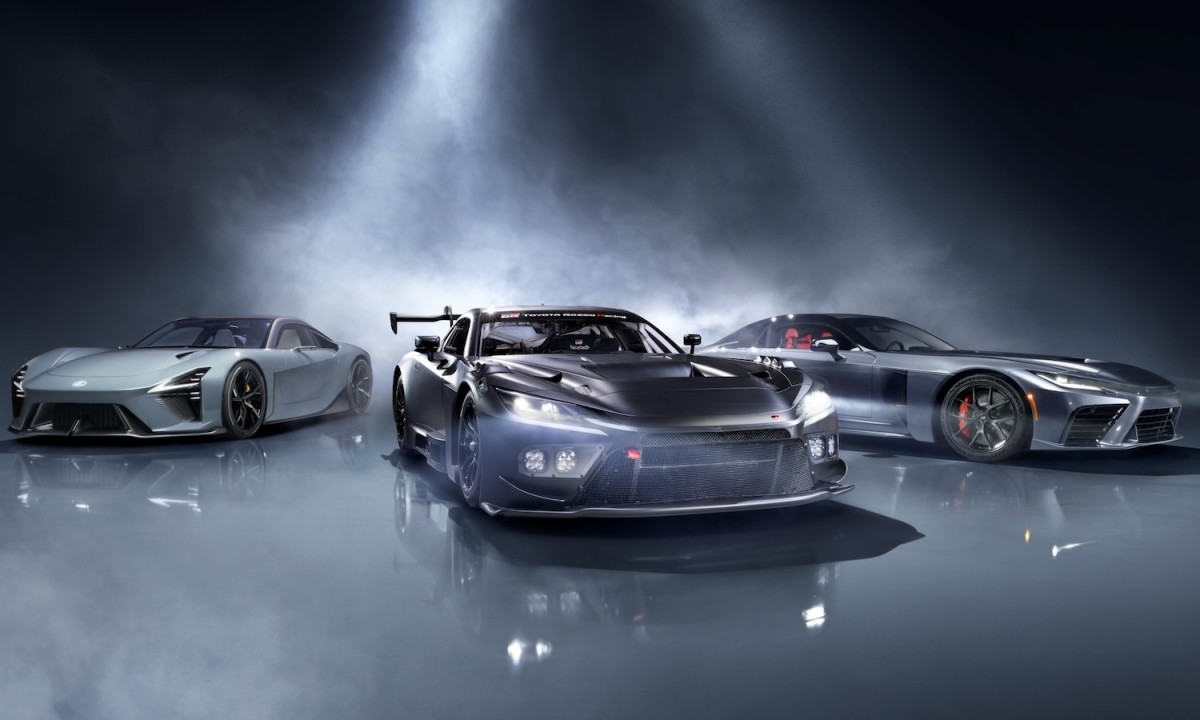
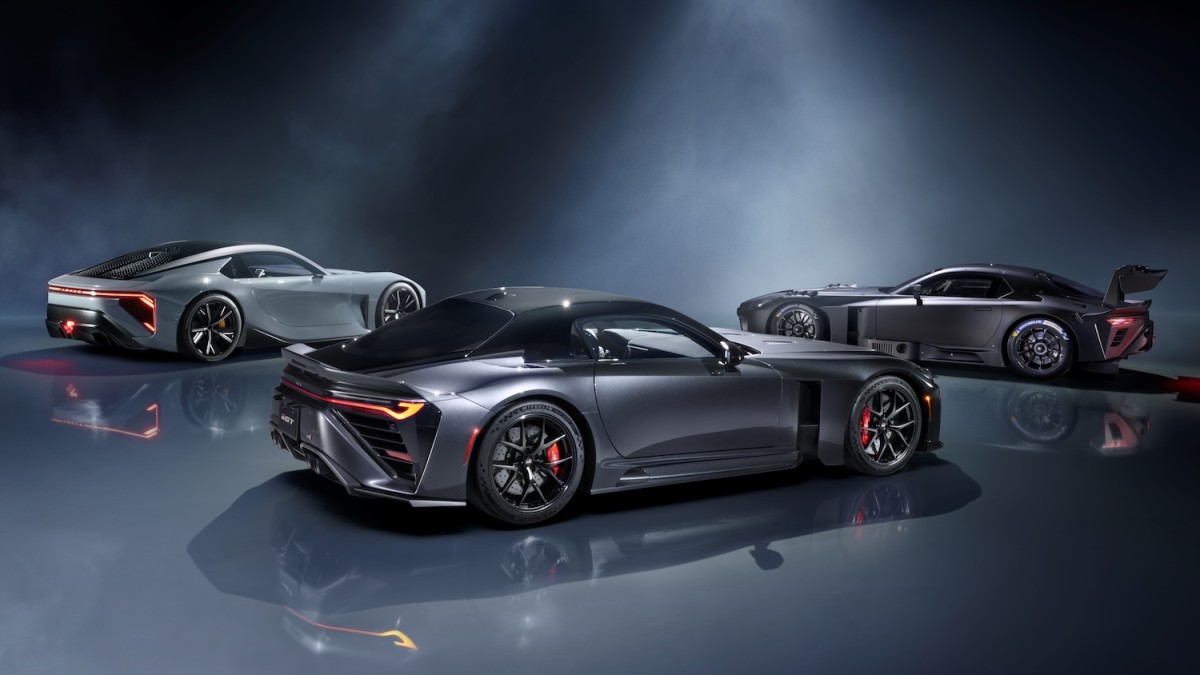
Today lands as one of those odd days in automotive history where a brand casually drops three halo performance machines at once, reshaping its entire sporting identity in a single reveal. Toyota unveiled the Lexus LFA Concept, the GR GT, and the GR GT3 as a unified statement of intent – each positioned as a modern successor to the 2000GT/LFA lineage. We've already tackled the LFA Concept and the GR GT in separate pieces, so this one zooms in on the supercar that regular customers can actually take racing under FIA rules.
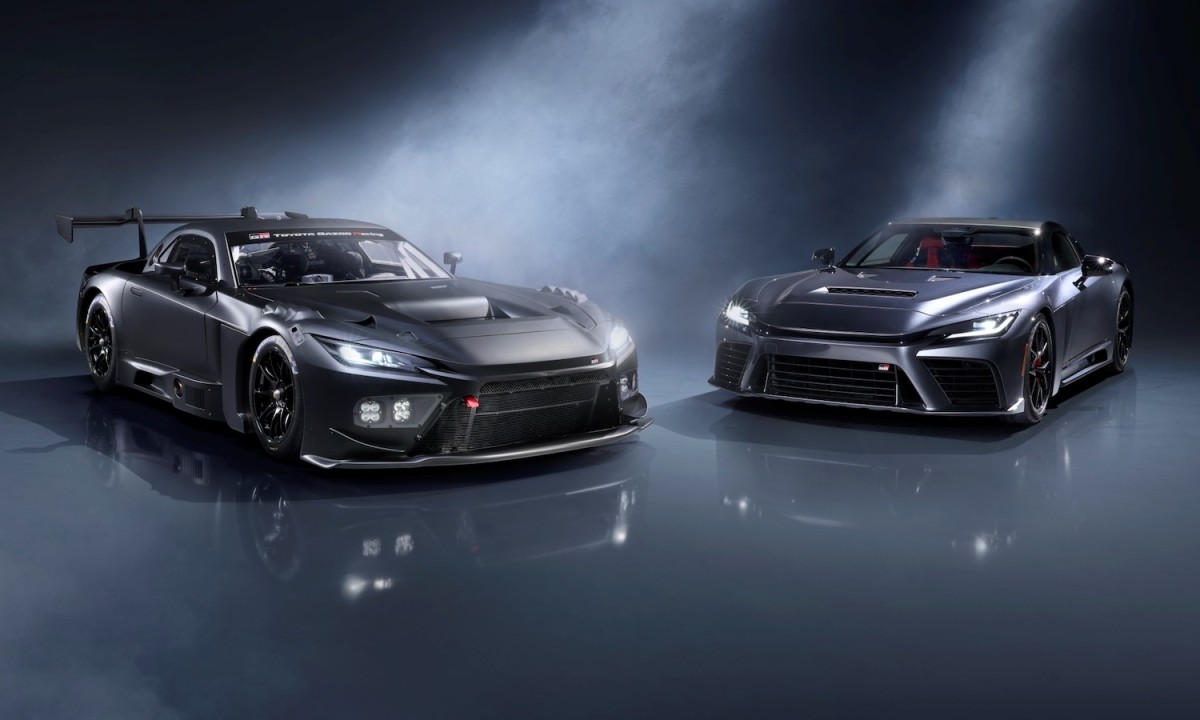
That car is the Toyota GR GT3 – Toyota's new, fully fledged GT3-class race car, developed for professional and gentleman drivers alike, previewed in 2022 at the Tokyo Auto Salon. While it shares a conceptual and mechanical foundation with the road-legal GR GT, the GT3 version strips the formula back down to pure motorsport purpose. Where the GR GT blends road usability with track-first engineering and the LFA Concept imagines an all-electric sporting future, the GR GT3 is built for one job: lining up on FIA-certified grids around the world and giving private teams a genuine shot at winning.
The GR GT3 stands apart as the rawest interpretation of Toyota's performance vision. Unlike the GR GT and LFA Concept, its focus isn't balancing beauty, road manners, or next-gen mobility – it's built to meet regulations, maximize grip and stability, and handle the brutal realities of endurance racing.
Powertrain Derived From the GR GT, Still Under Development
At the core of the GR GT3 is the same newly developed 4.0-liter twin-turbo V8 found in the GR GT. Official output figures aren't finalized, as the engine and associated systems are still being dialed in ahead of the planned 2027 debut. But based on the preliminary targets for the road car – over 641 hp and 627 lb-ft combined with its hybrid system, mated to a new eight-speed automatic transaxle – it's clear that the underlying V8 platform is starting from a place of serious potential.
Item | Specification |
Configuration | 4.0-liter twin-turbo V8 |
Displacement | 3,998 cc |
Target Output (Road-Car Baseline) | 641 hp or greater (system, GR GT) |
Target Torque (Road-Car Baseline) | 627 lb-ft or greater (system, GR GT) |
GT3 Output | Not finalized; no hybrid system; will vary with FIA GT3 BoP |
For the GT3 version, the hybrid assistance disappears. What remains is a compact, dry-sump V8 engineered for a low mounting position, reduced height, and efficient weight distribution. Toyota said that actual GT3-spec power levels may differ depending on Balance of Performance (BoP) requirements and durability testing. The engine is designed not just for peak output, but for the kind of thermal consistency and serviceability that teams will rely on through long-distance racing.
Body: All-Aluminum, Aero-First, and Motorsport-Focused
Like the GR GT, the GR GT3 is built around Toyota's first all-aluminum space-frame body. This architecture aims to deliver the rigidity demanded in high-speed racing while keeping weight manageable and service operations straightforward. Large aluminum castings, structural extrusions, and selective use of carbon fiber panels create a platform tailored for both stiffness and reparability – two things that matter when your season might include eight-hour and 24-hour events.
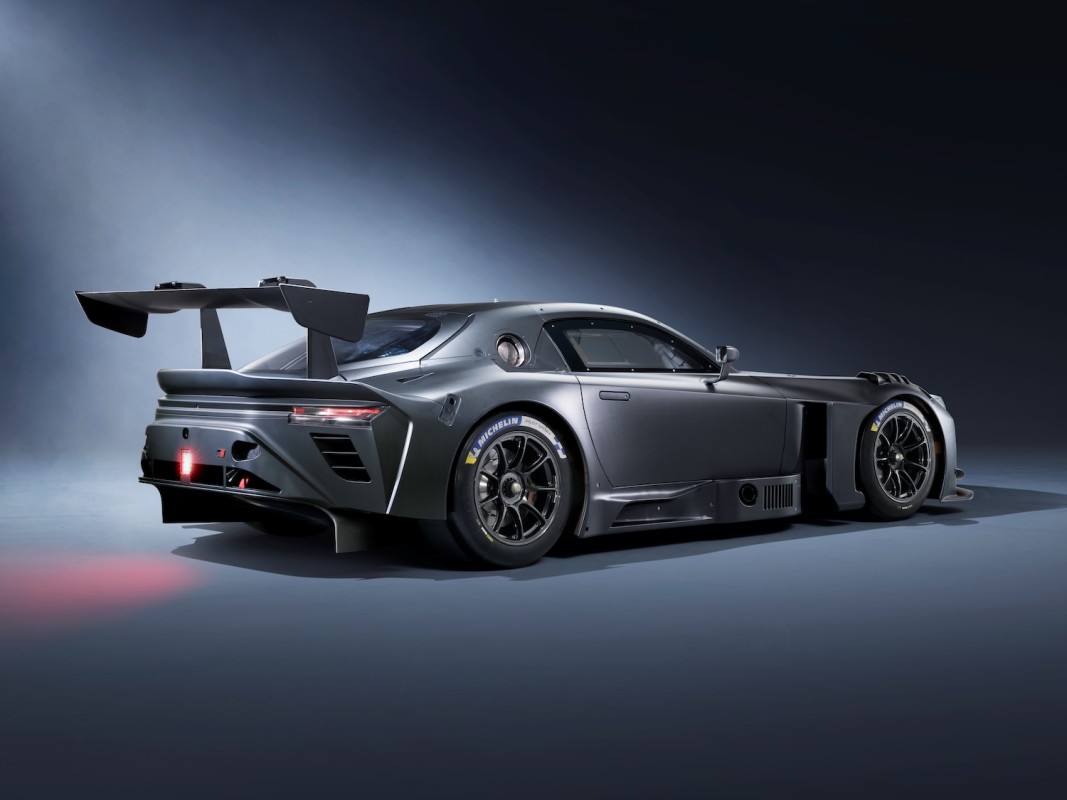
The car's exterior follows an aero-first philosophy. Instead of styling being the starting point, designers shaped the GT3's bodywork around cooling requirements, balance targets, and rulesets. Despite the shared bones, the GR GT3 has a lower overall height, wider stance, and a more aggressive ground-effect profile. If the GR GT hints at road-going theater, the GT3 strips away the romance and leaves behind the functional aggression expected in the category.
Arriving in Customers' Hands in 2027
Underneath, the GR GT3 carries over the low-mount double-wishbone suspension layout, tuned for predictable load transfer and easy setup changes. As with other automakers, Toyota is also preparing a dedicated customer support ecosystem – parts supply, data assistance, and engineering consultation – so teams aren't left figuring things out alone.
The GT3 market is competitive and often dominated by European marques, but Toyota seems intent on offering not just a car, but a program. As with the road car, development will continue through simulator work, track testing, and the "hone, drive to failure, and repair" cycle Toyota embraces for its GR vehicles. As mentioned, the final car will arrive in 2027, but its presence today signals Toyota's clearest commitment yet to customer motorsport.
Toyota


There are no reviews to display.