


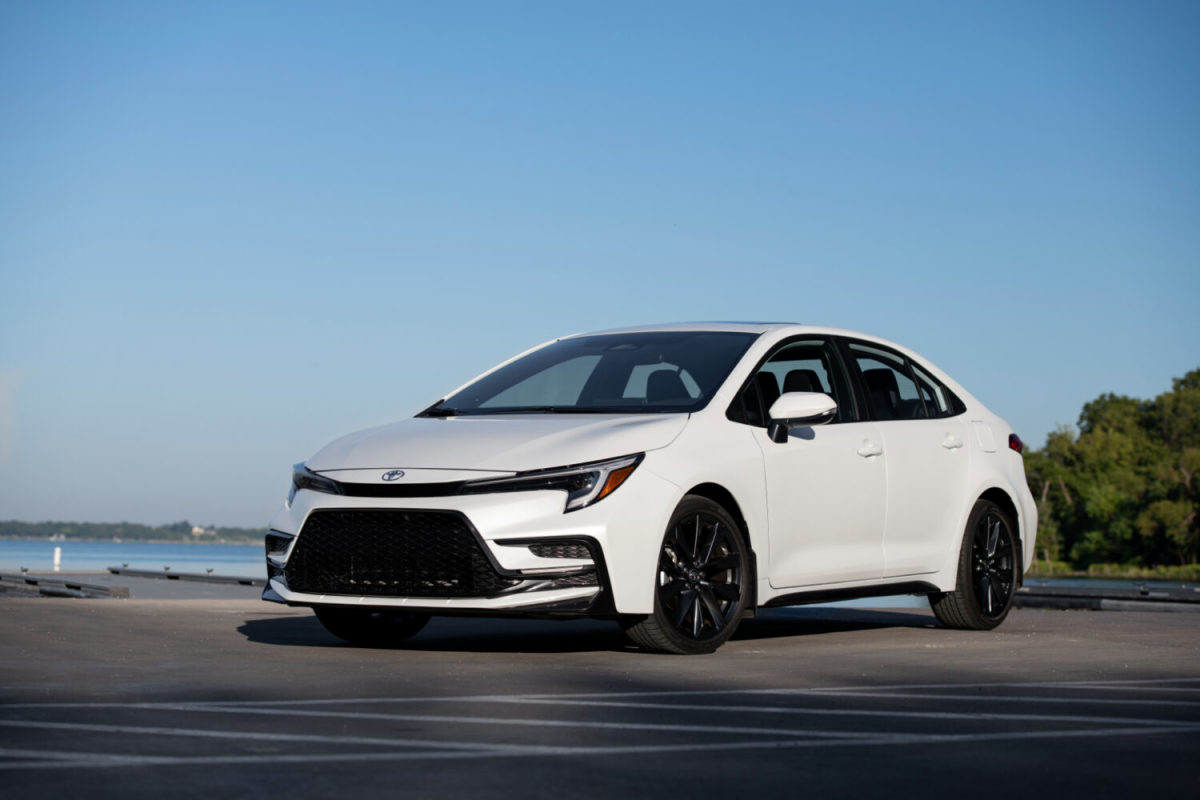
Toyota is not a company that panics. This is the company that gave the world Just-in-Time manufacturing, a production philosophy so influential it reshaped industries beyond automotive. It gave us Kaizen, the discipline of relentless, incremental improvement that became a management mantra. For decades, a Toyota on your driveway was a statement of faith in quality and longevity. However, Toyota’s reputation for bulletproof simplicity has been harder to maintain in an era of software-heavy platforms, the very thing Chinese automakers seem to be getting right, rewriting the rules on how quickly, cheaply, and packed full of tech cars can be built. So when Toyota CEO Koji Sato stood before 484 suppliers recently and declared, "Unless things change, we will not survive," the world took notice.
Toyota
What China Is Actually Doing to the Industry
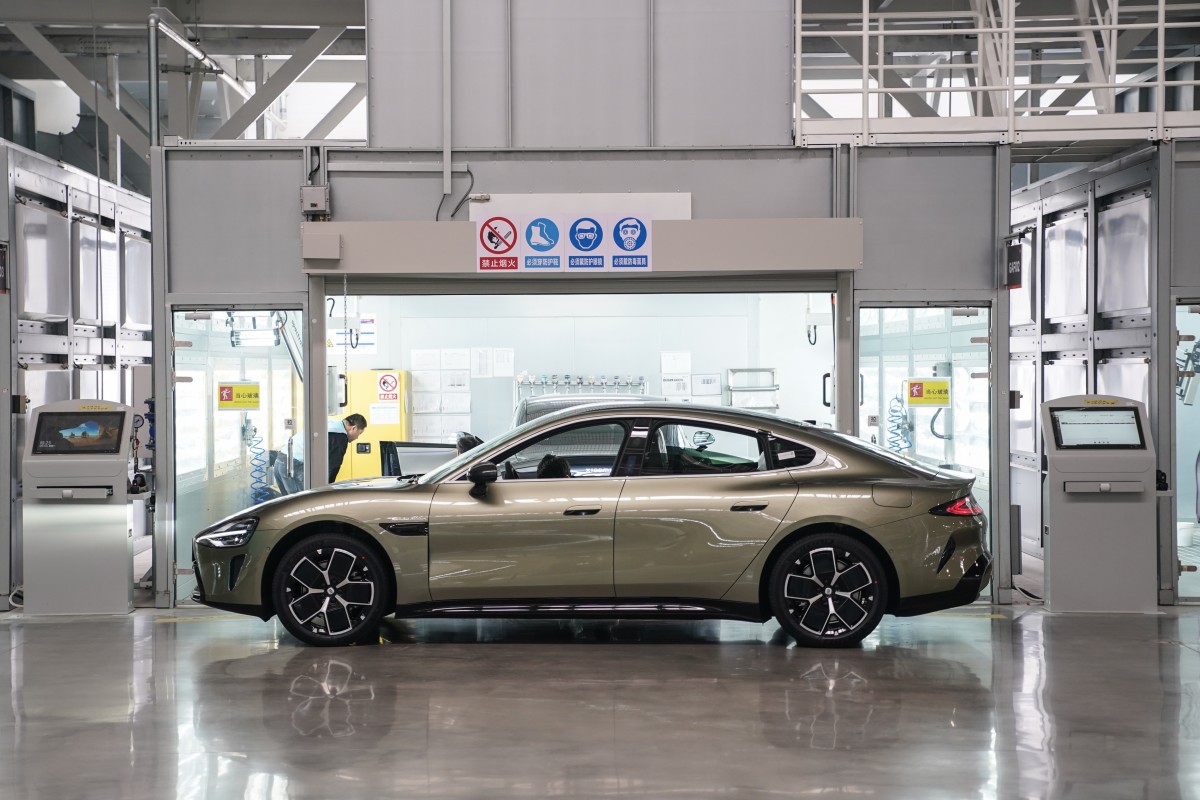
The threat isn't theoretical. Chinese brands, led by BYD, have fundamentally disrupted the economics of car production. BYD has built a vertically integrated machine that manufactures its own batteries, chips, and motors, squeezing out costs at every step. The result is feature-rich electric vehicles at prices Western and Japanese manufacturers struggle to match even on paper. But Chinese automakers are not just competing on cost. They are competing on a fundamentally different definition of what “finished” looks like, striving not for perfection, but for ‘good enough’.
The Chinese playbook is simple: build fast, price low, iterate quickly. The quality side of things is a little more complicated. BYD, for example, has faced a cascade of recalls in 2024 and 2025, covering everything from fire-risk steering control defects to battery sealing failures, with over 210,000 vehicles recalled in 2025 alone. Yet despite these stumbles, the momentum is undeniable.
Getty Images
What Toyota Is Now Asking Its Suppliers to Do
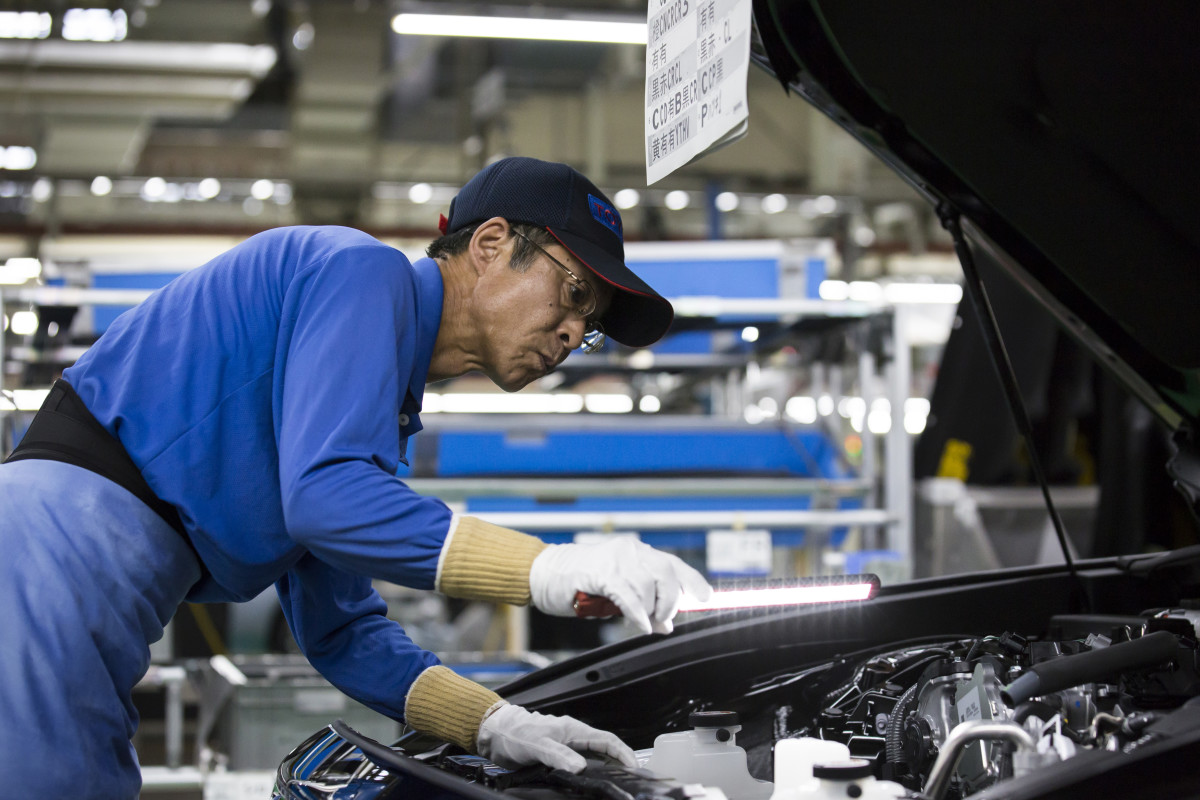
Sato's message to suppliers was pointed. The system that once made Toyota unbeatable is now slowing it down. Under its previous system, Toyota would routinely scrap steering wheels with barely perceptible resin wrinkles and reject wire harness components by the tens of thousands for minor discoloration. None of these flaws would ever be seen or felt by a customer.
Getty Images
Toyota’s new approach, called Smart Standard Activity, strips back over-engineered quality thresholds that add cost without adding value. The goal is leaner production, lower component prices, and a supply chain agile enough to compete with Chinese automakers. For decades, the global auto industry tried to become more like Toyota. Now, Toyota is being forced to become more like China. That reversal may end up being the most important shift the industry has seen in a long time.


There are no reviews to display.