




Trump Administration Sought Mercedes HQ Move
Mercedes-Benz Group AG CEO Ola Källenius confirmed that the Trump administration attempted to persuade the automaker to move its global headquarters from Germany to the United States. In an interview with German outlet The Pioneer, Källenius said the proposal came about a year ago through US Commerce Secretary Howard Lutnick. The offer included tax relief and other incentives intended to relocate the company’s executive base out of Stuttgart.
Källenius rejected the idea. He emphasized that while Mercedes operates globally, its identity remains tied to southern Germany. “The star has been a global company for more than 100 years, but we are rooted in Swabia,” he said. He added that those roots should not be removed. The comments offer rare insight into how far the Trump administration went in trying to redirect European industrial power toward the US.
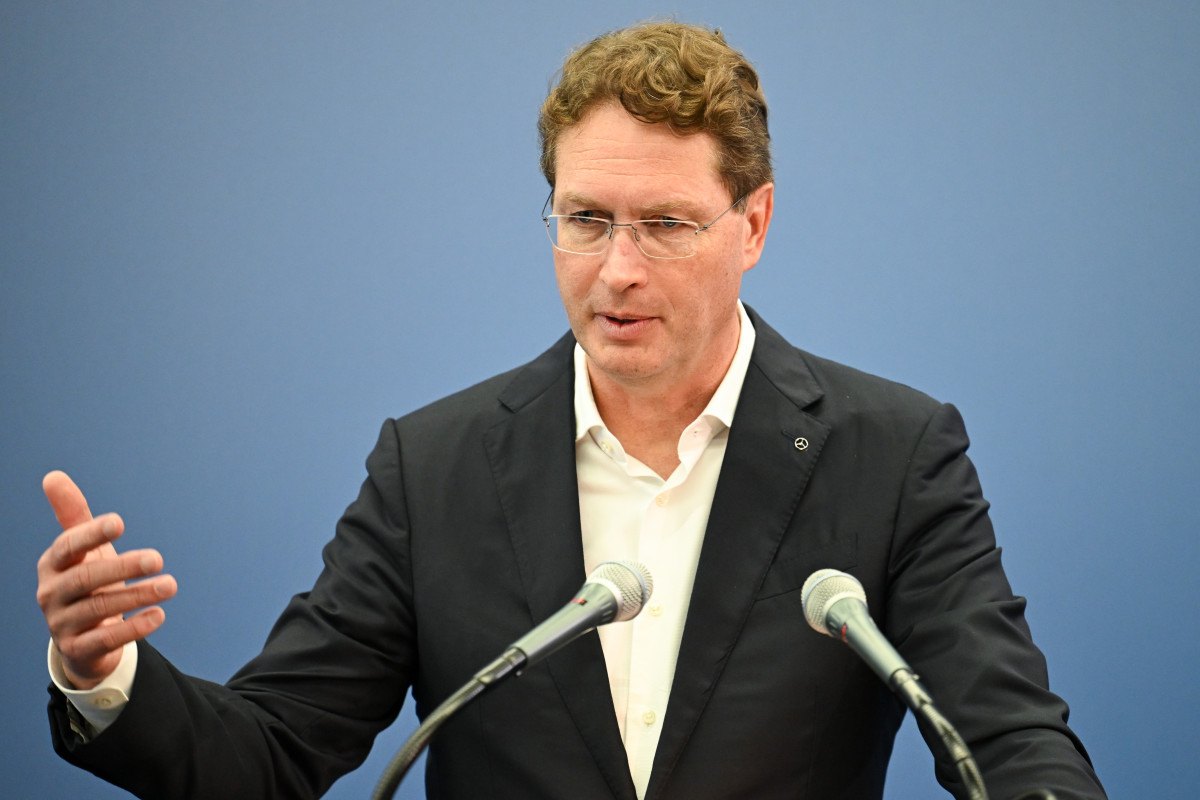
Florian Wiegand/Getty Images
Production Shifts Without Leaving Stuttgart
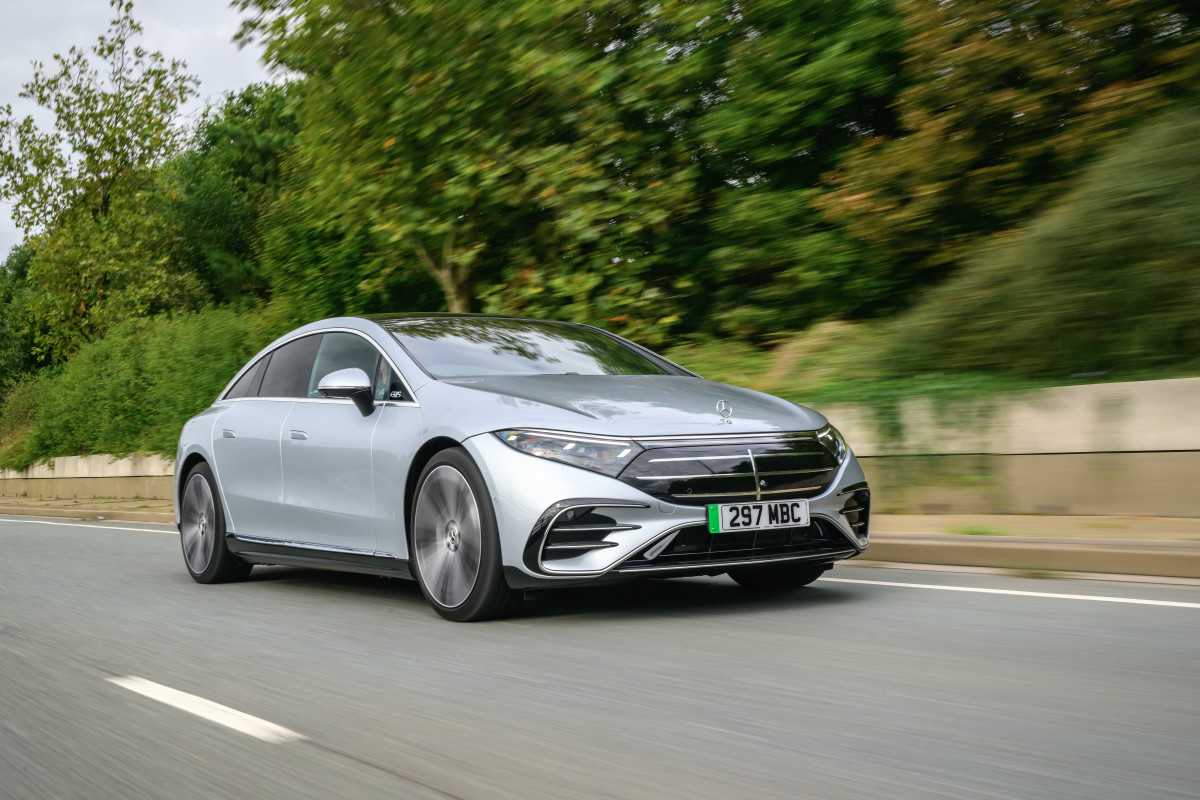
Although Mercedes declined to move its headquarters, it has continued expanding its US manufacturing footprint. The company later announced plans to shift production of a sport utility vehicle from Germany to its existing plant in Tuscaloosa, Alabama. That factory already plays a major role in Mercedes’ North American operations and produces several high-volume SUV models.
Mercedes has also expanded research and development activity in the US, including facilities in Georgia. These moves reflect a broader industry trend. Several automakers have pledged to increase US investment amid political pressure and trade uncertainty. Volkswagen, for example, has explored multibillion-dollar spending commitments tied to negotiations with the Trump administration. In Mercedes’ case, the strategy has been to localize production where it makes sense while keeping corporate leadership and brand identity anchored in Germany.
Mercedes-Benz
Tariffs, Costs, and Germany’s Auto Core
Trade policy remains a key factor in these decisions. Trump’s auto tariff policies have already imposed high costs on Mercedes. The company has said tariffs have cost it roughly $420 million, with the risk of higher losses if trade tensions escalate. Those financial pressures have pushed automakers to reconsider supply chains and production locations without necessarily committing to deeper structural moves such as relocating headquarters.
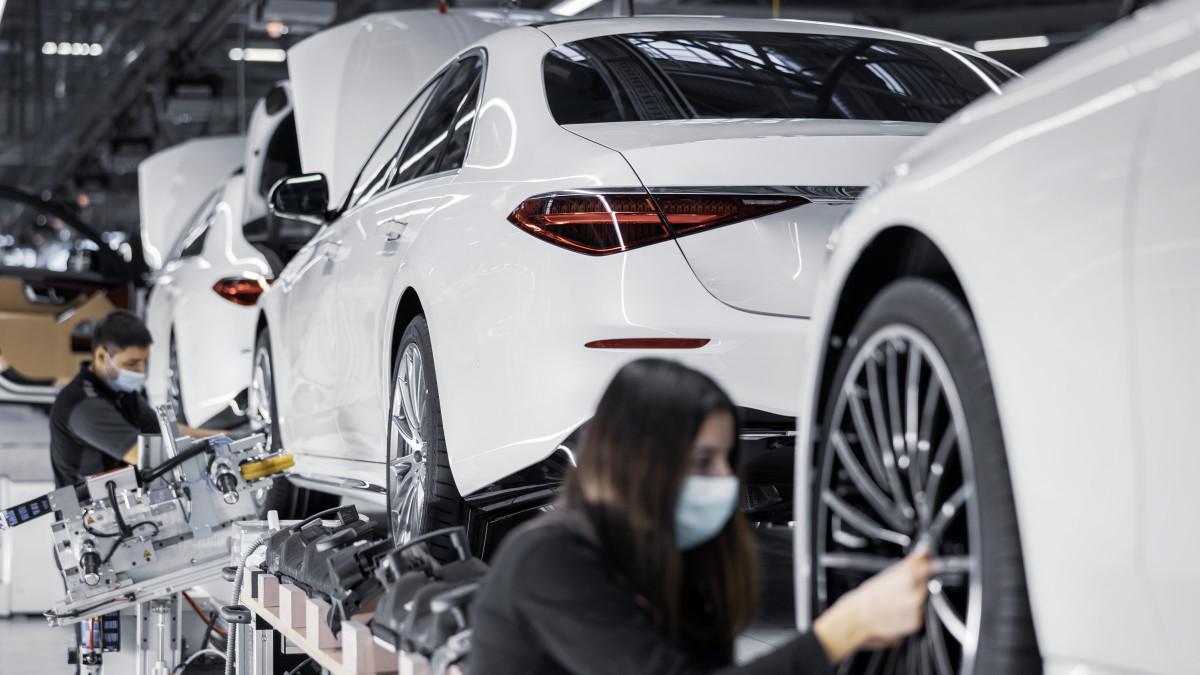
For Germany, the stakes are high. Mercedes is one of the largest employers in the Stuttgart region, where factories produce S-Class sedans and AMG performance engines. Alongside Porsche, Bosch, and Daimler Truck, Mercedes forms the backbone of Germany’s advanced manufacturing sector. Källenius has criticized Germany’s bureaucracy and labor costs, and has faced pushback from unions over comments on sick-leave rates. Still, his refusal to move the headquarters signals a clear line in the sand. Mercedes may build more vehicles in the US, but its strategic center remains in the country where the automobile was invented.
Mercedes-Benz


There are no reviews to display.