


If we look at the strategy announcements of various global automakers over the last year, the prevailing trend has been to sustain or reintroduce gas engines, even as EV development and sales continue concurrently. In the United States, a large part of the reasoning for this is the loss of the federal tax credit, and in Europe, an adjustment to carbon neutrality targets. On either side of the Atlantic, customer interest is not as high as it once was, and a new report from Automotive News, using data from S&P Global Mobility, highlights this, revealing that American EV registrations in January 2026 were down a stunning 41 percent over January 2025. Despite gas-only and hybrid cars recapturing more market share, Tesla has reason to celebrate, with its cars taking more than half the U.S. EV market.
Dark Times for the EV Industry, But Tesla Rises
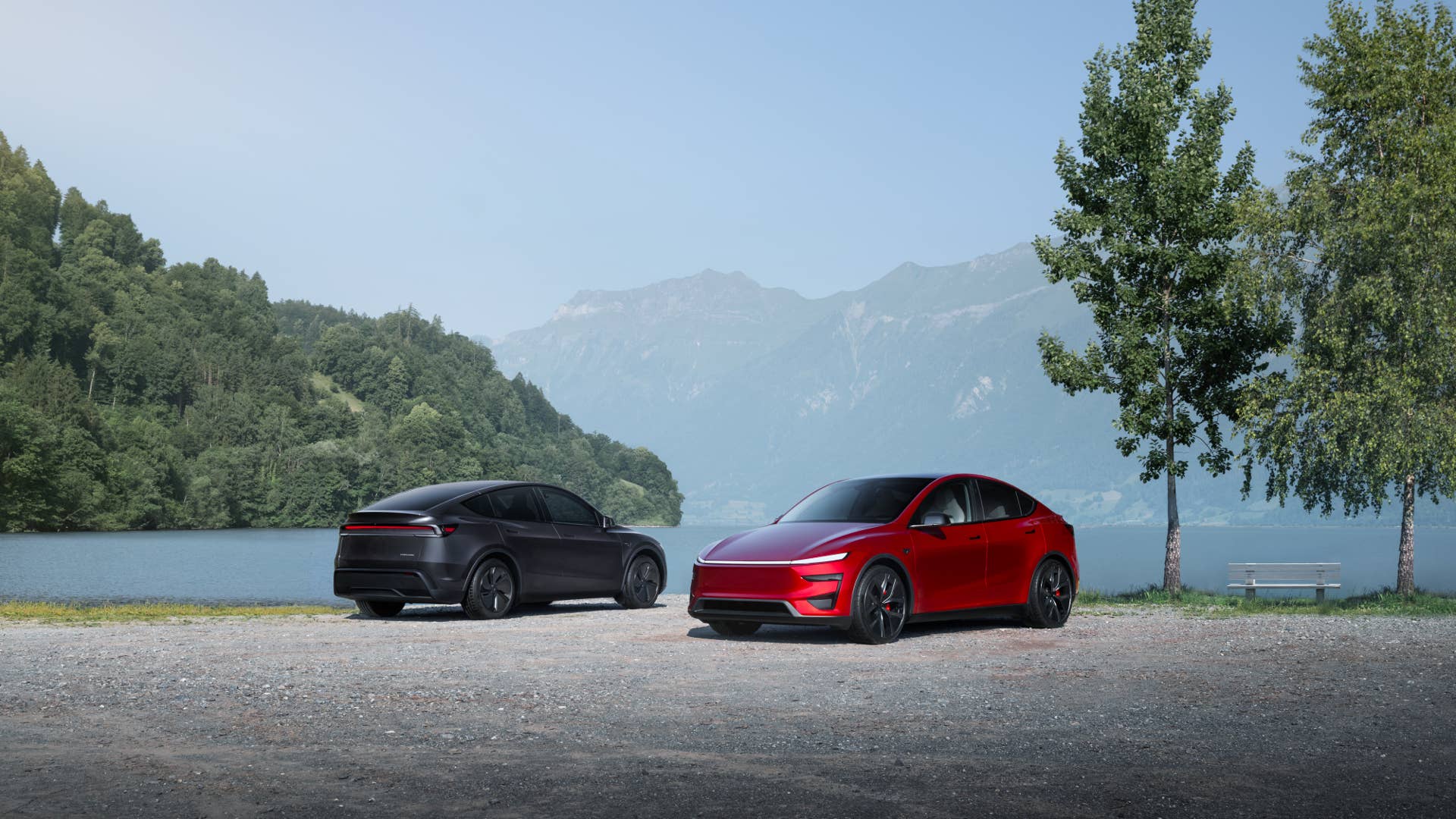
Tesla
The data reveals that, in a light-vehicle market that saw some 1.2 million vehicles registered, EVs accounted for just 59,802, with the EV share of the market down to 5.1 percent in January from 8.3 percent a year prior. Gas vehicles rose 2.3 points to 76.6 percent of the market, and hybrids are up 1 point to 14.7 percent. It's a trend that has been manifesting for some time, with EV registrations falling year-on-year in every month since the $7,500 tax incentive expired on September 30 last year, and it's hurt every player in the game, including Tesla, which sells more EVs in America than any other automaker. Its registrations (the company doesn't separate U.S. sales data from global reports) were down 26 percent in January from a year earlier, with just 32,123 vehicles registered.
Related: Tesla Model Y: True Cost Per Mile
While that may seem like cause for alarm, other EV brands have fallen even further, with Honda's figures down 85 percent, Volkswagen's figures down 90 percent, and Acura's EV registrations down 99 percent. Partly due to its competitors also losing out, Tesla's share of the EV segment was up 11 percentage points to 53.7 percent. Ford's share is down 3.5 percentage points to 4.6 percent, while Chevy is just behind in fifth place, with its EV registrations falling 55 percent to 2,658 vehicles, representing a market share decline of 1.4 percentage points to 4.4 percent.
Automakers Given Neither the Carrot Nor the Stick
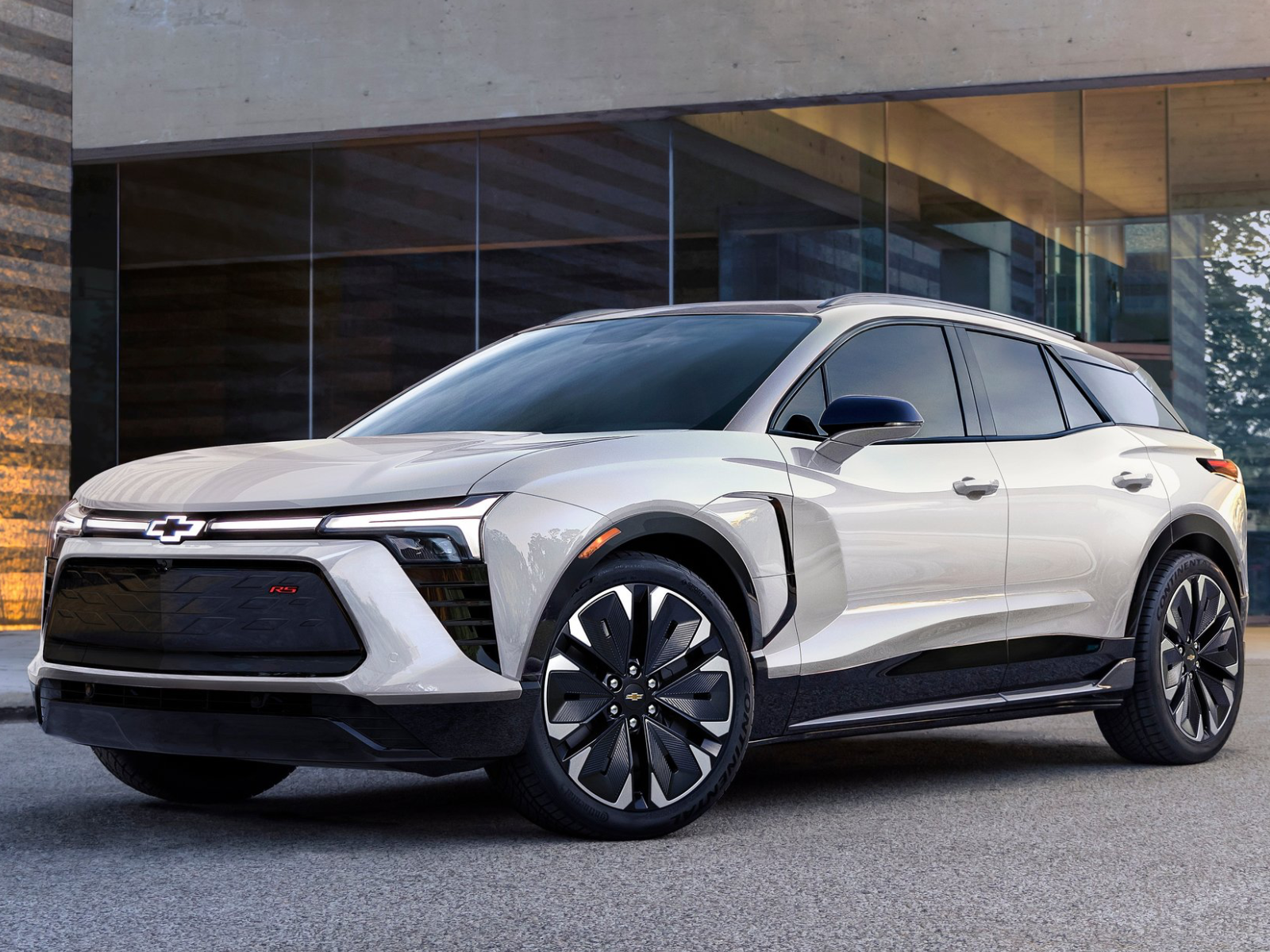
Along with the loss of the federal tax credit for EVs, penalties for failing to meet federal fuel economy standards have been done away with, and this will drastically alter the American auto landscape. Karl Brauer, executive analyst at iSeeCars, sums it up well: "There's going to be a shakeout to the new reality with no federal EV incentives, which was the carrot, and no greenhouse gas penalties, which was the stick." A recent study from Deloitte revealed that just 7 percent of U.S. car buyers want an EV for their next car, and this is affecting brands at either end of the price spectrum; Honda has canceled three new EVs, and Lamborghini has canceled the only EV it was working on. That said, others are optimistic about the future of the segment, with BMW set to reveal an electric 3 Series this week, Audi and Porsche forging ahead with their electric sports cars, and Rivian launching the new R2 last week.
Related: Audi Says Its Next Electric Sports Car Will Arrive in Just Two Years


There are no reviews to display.