


American Reverse-Imports Coming Soon to Japan
In a bid to soften trade deficits, Japan's automakers will soon be selling U.S.-built cars on its home soil. Toyota has confirmed the American-made models it will be sending over to Japan, while Honda and Nissan are seriously considering that move. There's nothing confirmed yet from the latter two companies, but Toyota is pretty much locked in.
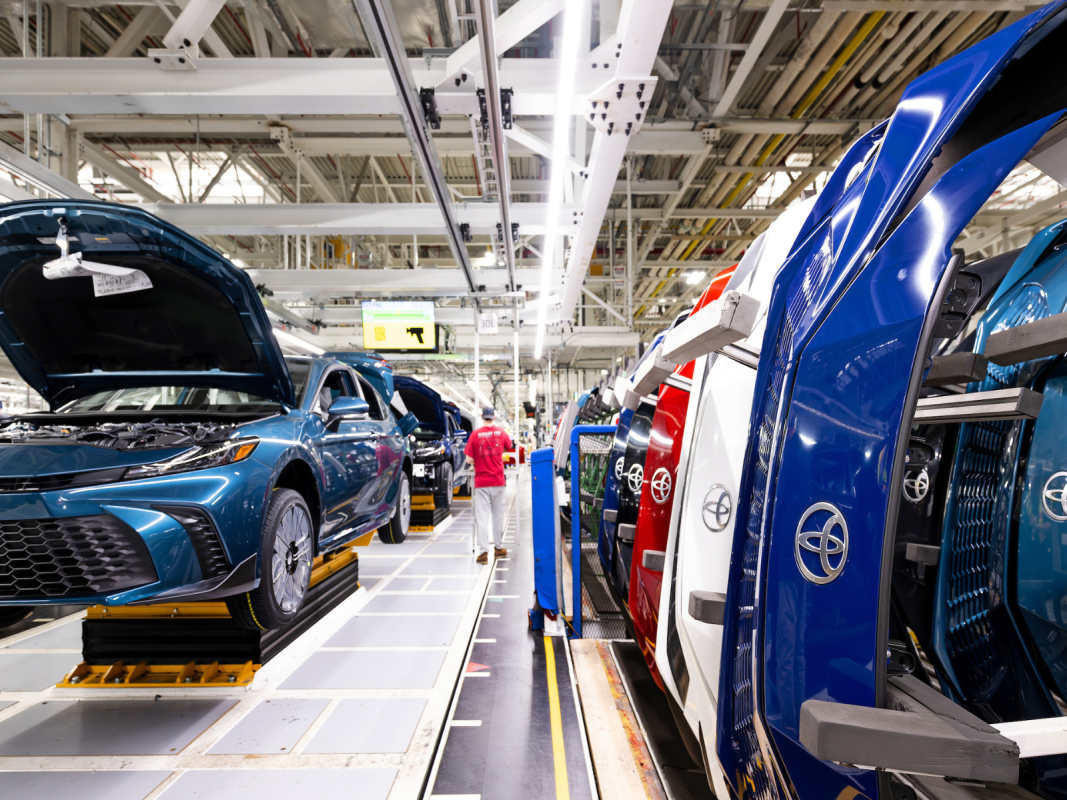
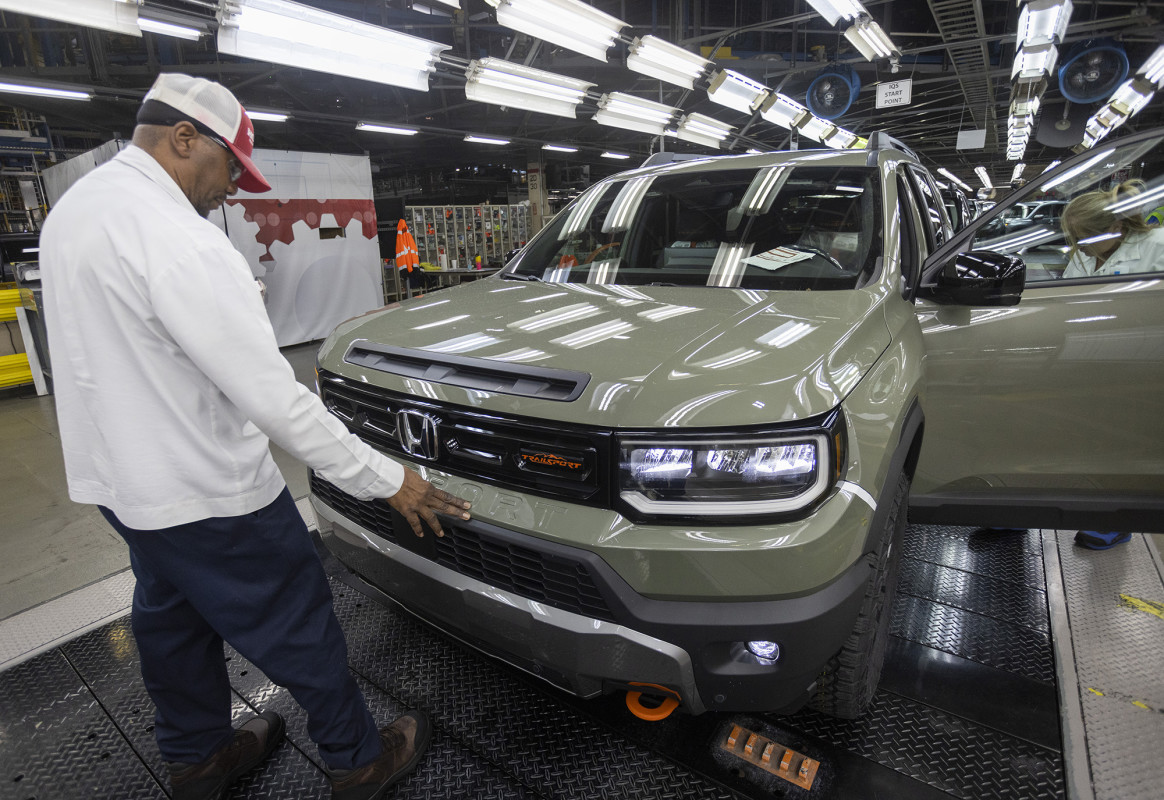
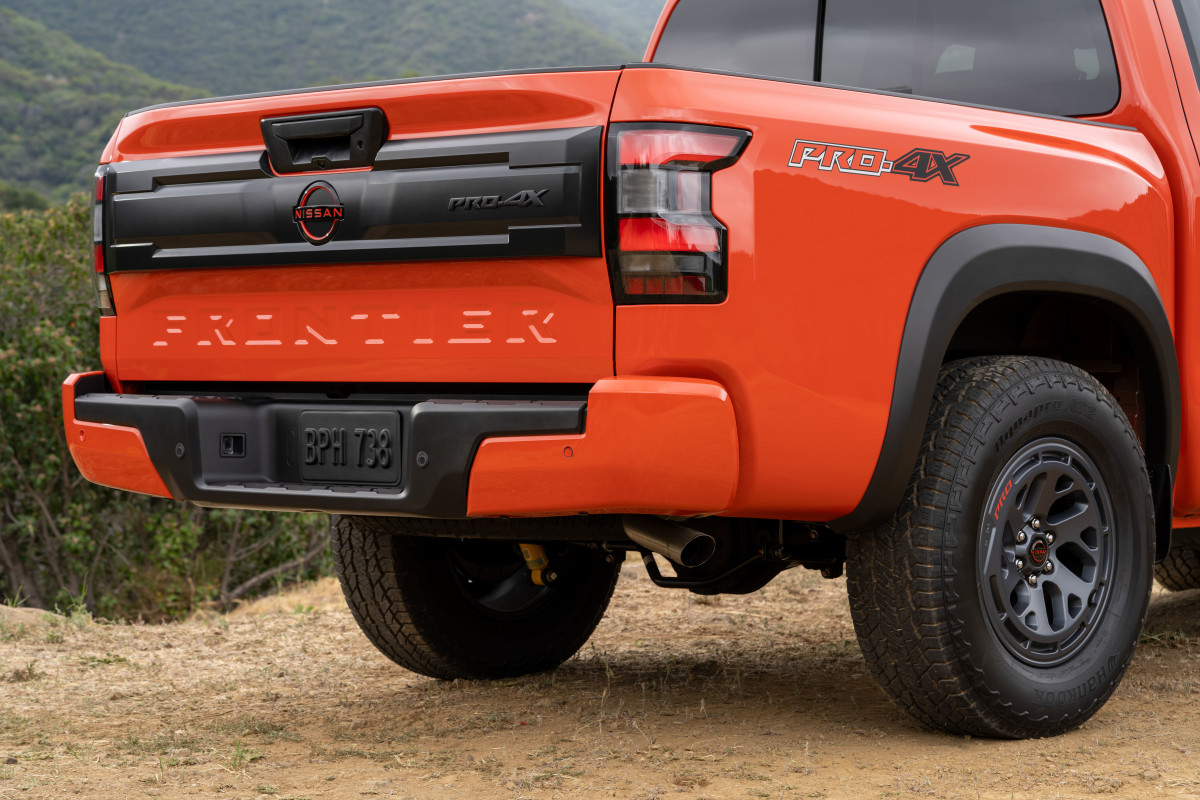
From Toyota, the cars that will be sent there are the Camry, the outgoing Highlander, and, of all things, the Tundra. As for Honda, it's possible that it could sell the Passport and Ridgeline in Japan, and the Passport was actually shown over there during the 2026 Tokyo Auto Salon to gauge interest. As for Nissan, potential candidates are the Murano and Frontier.
But First, They Need a Sticker
As some of the cars prepare their trip to Japan, they must first undergo a little change in order to be compliant with Japanese roads. In case you missed the heading above, those cars will need a sticker to be sold. That's it.
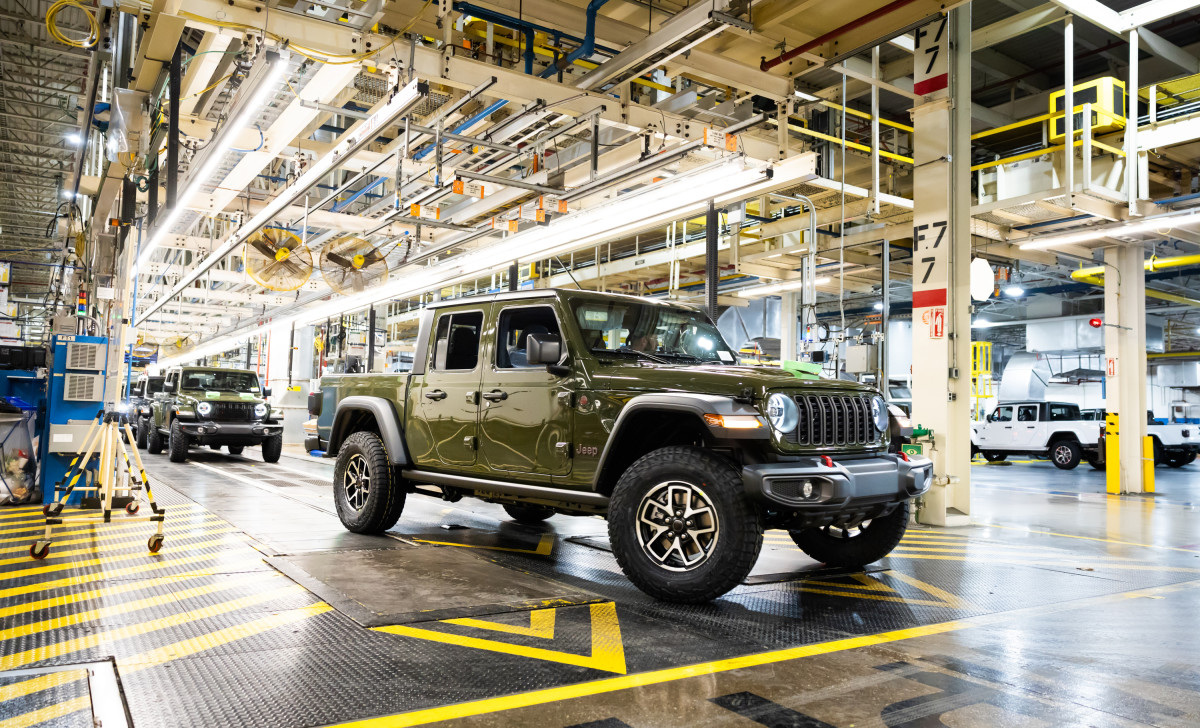
The report came from Japanese automotive publication Response. That rule was announced by the country's Ministry of Land, Infrastructure, Transport and Tourism. Translated from Japanese: "U.S. cars now required to display stickers indicating safety compliance following tariff agreement." This rule also applies to vehicles already being imported into Japan, such as the Jeep Wrangler and the Cadillac Escalade. Yes, they sell them over there.
As for the sticker, the final design hasn't been shown. However, it has been mentioned that it will two-inch star-shaped decal that's made to look like an American flag. How thoughtful.
Stellantis
Loosened Approval Processes
The reason for the sticker isn't just for identification. It's mainly there to signify that the U.S.-built cars do pass safety standards, although the standards it passed are from the U.S. and not Japan. In some ways, it's a 'safe for consumption' label, albeit for cars.
It also means that the governing body for the sale of imported cars had loosened restrictions in order to sell U.S.-built cars without the need to make region-specific changes. That's good news for manufacturers as it helps reduce costs in making the car compliant for Japan.
Honda
Changes are Voluntary
Unlike the U.S., most of the world uses amber indicators and doesn't require side marker reflectors on vehicles. With fewer restrictions, American-made vehicles can be sent over there without having to change the light configuration. However, the Ministry is encouraging automakers to make changes, but only on a voluntary basis.
The same could be said for bumper height rules and emissions, as Japan is stricter on the matter. At the very least, we're expecting the headlights to be aimed left instead of right, as the cars will be in a right-hand drive country.
Nissan


There are no reviews to display.