


EV Profits Still Playing Catch-Up
It’s no secret that automakers are barely making a profit on electric vehicles, with Ford even ending production of the all-electric F-150 Lightning. But they still have to build them for a range of reasons, including regulatory requirements. At Volkswagen, the company admitted that there is no profit margin parity between EVs and combustion cars – at least not until the next-gen SSP architecture arrives.
According to Automotive News, Volkswagen’s EV models deliver only 70% to 80% of the margins of comparable combustion models. Hypothetically, if a gas-powered T-Cross generated $10,000 in profit, a comparable EV on the current MEB platform would make around $7,500. The Scalable Systems Platform (SSP), which has been delayed from its original 2026 target, is seen as the key to closing that margin gap, though it reportedly will not arrive before the end of the decade.
Volkswagen
The Cost Problem Behind the Plug
Some of the factors behind Volkswagen’s lower profits on current EV models include high production costs. At the same time, European Union emissions rules are adding pressure, with penalties reportedly expected to amount to 400 million to 500 million euros annually ($467 million to $584 million at current exchange rates) from 2025 through 2027.
These factors force Volkswagen to make trade-offs between EV volumes and CO2 fines, according to Volkswagen Group CFO Arno Antlitz.
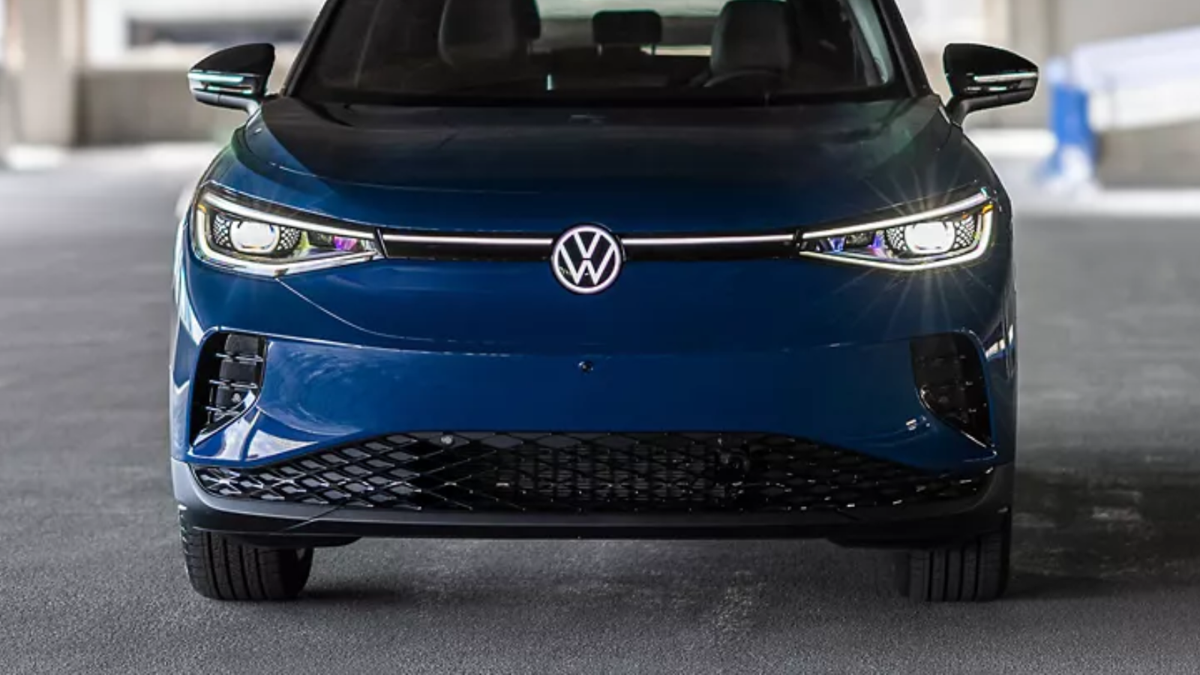
In addition, while the German marque is showing positive signs in the European EV market, it is struggling elsewhere, notably in the U.S. In the first quarter of 2026, the company’s U.S. EV sales dropped 80% compared with the same period last year, while sales in China plunged 64%. Currently, the ID.4 and ID. Buzz are the only models sold stateside, with the latter even skipping the 2026 model year reportedly to prepare for a “MY27 transition.”
VW’s Next Big Bet
Once the SSP arrives, it will replace current platforms such as MEB, MEB Plus, and PPE, the latter of which is used by high-end models like the Porsche Macan. The platform will also be integrated with Rivian’s electronic architecture for more advanced onboard software capabilities.
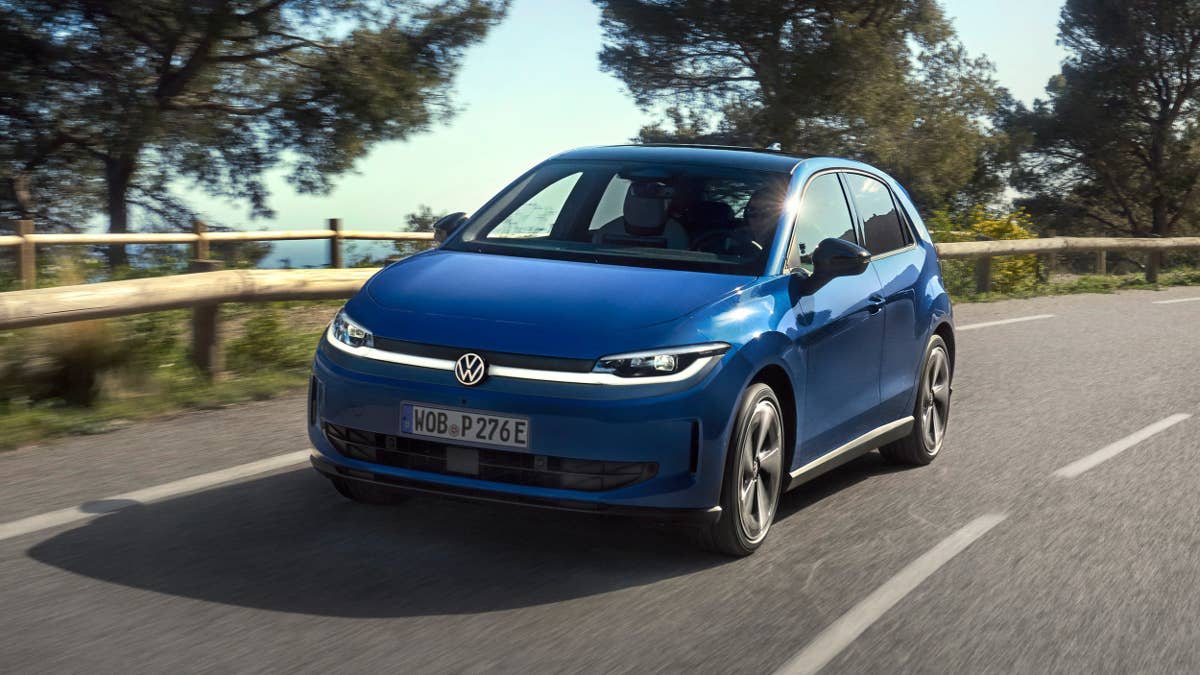
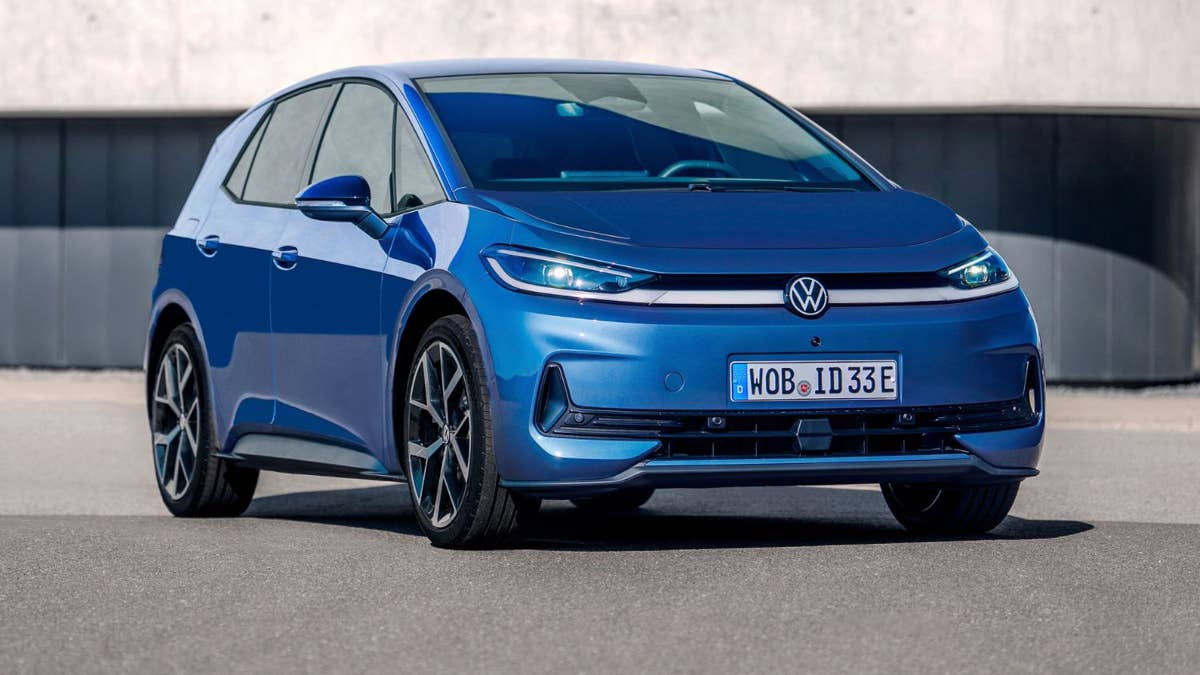
For now, Volkswagen will try to boost profits by selling affordable EVs in Europe, including the ID. Polo, which starts at 24,995 euros, or approximately $29,000. None of VW’s new small, affordable EVs are expected to arrive in the U.S., given the market’s preference for larger vehicles, so American buyers will have to make do with the ID.4, which starts at $45,095, excluding destination fees, as the company continues to navigate tariffs.
Volkswagen


There are no reviews to display.