




The Price Gap at Launch
Volkswagen’s upcoming entry-level electric vehicle, the ID. Polo, is now expected to miss its previously promised affordable price point of €25,000 (around $29,300). A report from Germany’s Handelsblatt indicates that the model will initially arrive at dealerships with a starting price north of €30,000 (roughly $35,000), with that figure applying to a mid-spec variant.
The German automaker will still deliver its mass-market EV, but prospective buyers may need to wait longer than originally planned. Limited availability of lithium iron phosphate (LFP) batteries is said to be slowing the rollout of the base model in Europe, with the wait expected to stretch for another six to nine months.
Built for Cities, Not Suburbs
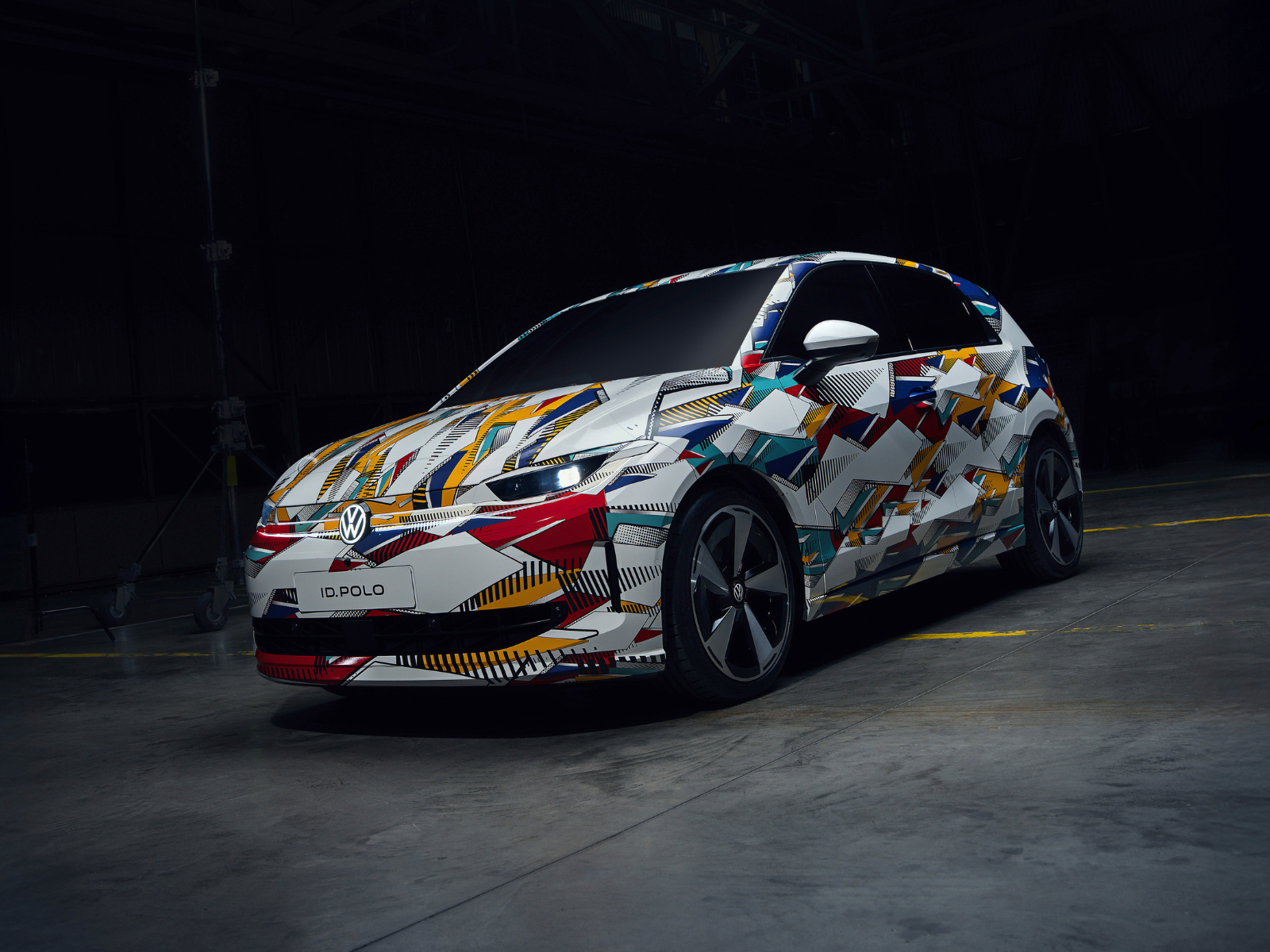
Given the compact size of the ID. Polo, the model is not expected to make its way to the U.S., where consumer demand continues to favor larger vehicles such as the Ford F-150. This also helps explain why Volkswagen opted to introduce only the long-wheelbase version of the ID. Buzz in the U.S.
In Europe, the new entry-level EV will be offered with several power outputs: 85 kW (114 horsepower), 99 kW (133 hp), and 155 kW (208 hp), with the 208-hp version slated to reach dealerships first. A sportier GTI-branded variant will later become available, which boosts output to 166 kW (223 horsepower).
Both the 114-hp and 133-hp versions rely on a 37-kWh LFP battery pack, which explains why they will not be available at launch. Higher-output variants, meanwhile, are fitted with an NMC (nickel manganese cobalt) battery using the new unified cell developed by PowerCo. Rated at 52 kWh, it is said to deliver a driving range of up to 450 kilometers (around 280 miles), according to Volkswagen.
A Strategy Still Taking Shape
The ID. Polo is just one of six new models Volkswagen plans to introduce next year as part of a broader push to expand its lineup of lower-cost, entry-level EVs. In the U.S., however, VW's EV roadmap remains less certain as it reassesses its strategy following the loss of the $7,500 federal tax credit and the impact of newly introduced tariffs. Reports suggest the company may explore range-extender EVs as a potential alternative – a move that could resonate with American buyers, given that such vehicles still allow refueling at traditional gas stations, making longer interstate travel more bearable.
For now, Volkswagen continues to rely on the ID.4—a direct rival to the Tesla Model Y – as its primary entry in the U.S. EV market, with the ID. Buzz playing a niche role.


There are no reviews to display.