


A Shift in Strategy from Volvo Leadership
Last week, I asked Victor Yang, Vice President of Geely Holding Group, whether the company sees an advantage in leveraging its U.S. manufacturing footprint through Volvo Cars and Polestar plants in South Carolina. While he said there are no plans at the moment, the tone from the top is starting to change.
In an interview with Business Insider, Håkan Samuelsson of Volvo Cars said the door is open to building Geely-based EVs in the U.S., citing available plant capacity. “We could discuss building cars in the plant, as we have capacity,” he stressed it depends on navigating strict U.S. regulations on Chinese tech.
The move comes as Chinese automakers gain ground globally with aggressive pricing and advanced tech, putting increasing pressure on Western brands to stay competitive.
Geely
U.S. Manufacturing as a Strategic Lever
Volvo’s U.S. manufacturing base, particularly its South Carolina facility, has become a critical node in its global supply chain. The plant currently builds models like the EX90 and vehicles for Polestar, serving both domestic and export markets. Utilizing this facility for Geely-developed vehicles could offer a workaround to steep tariffs that exceed 100% on Chinese imports.
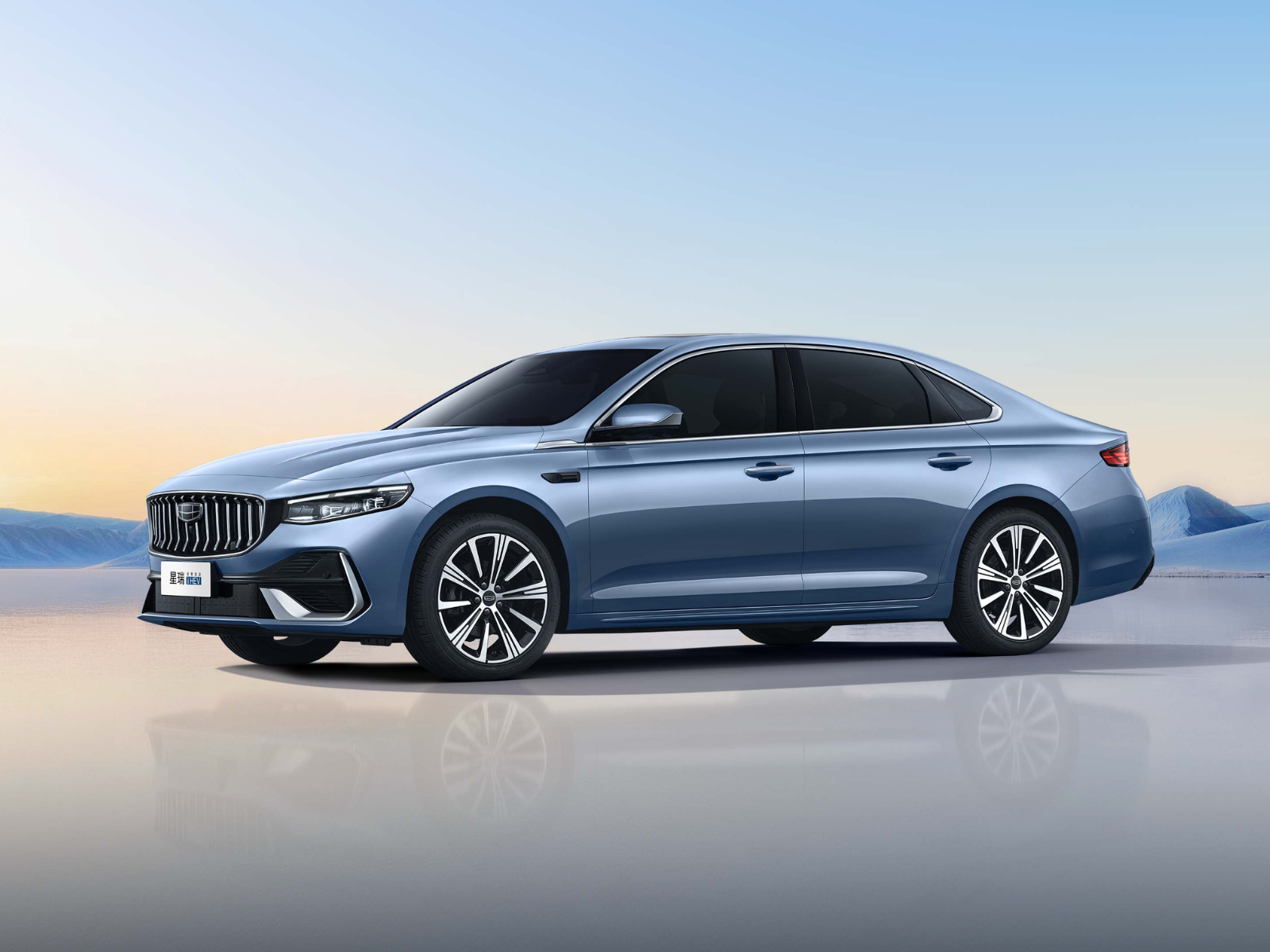
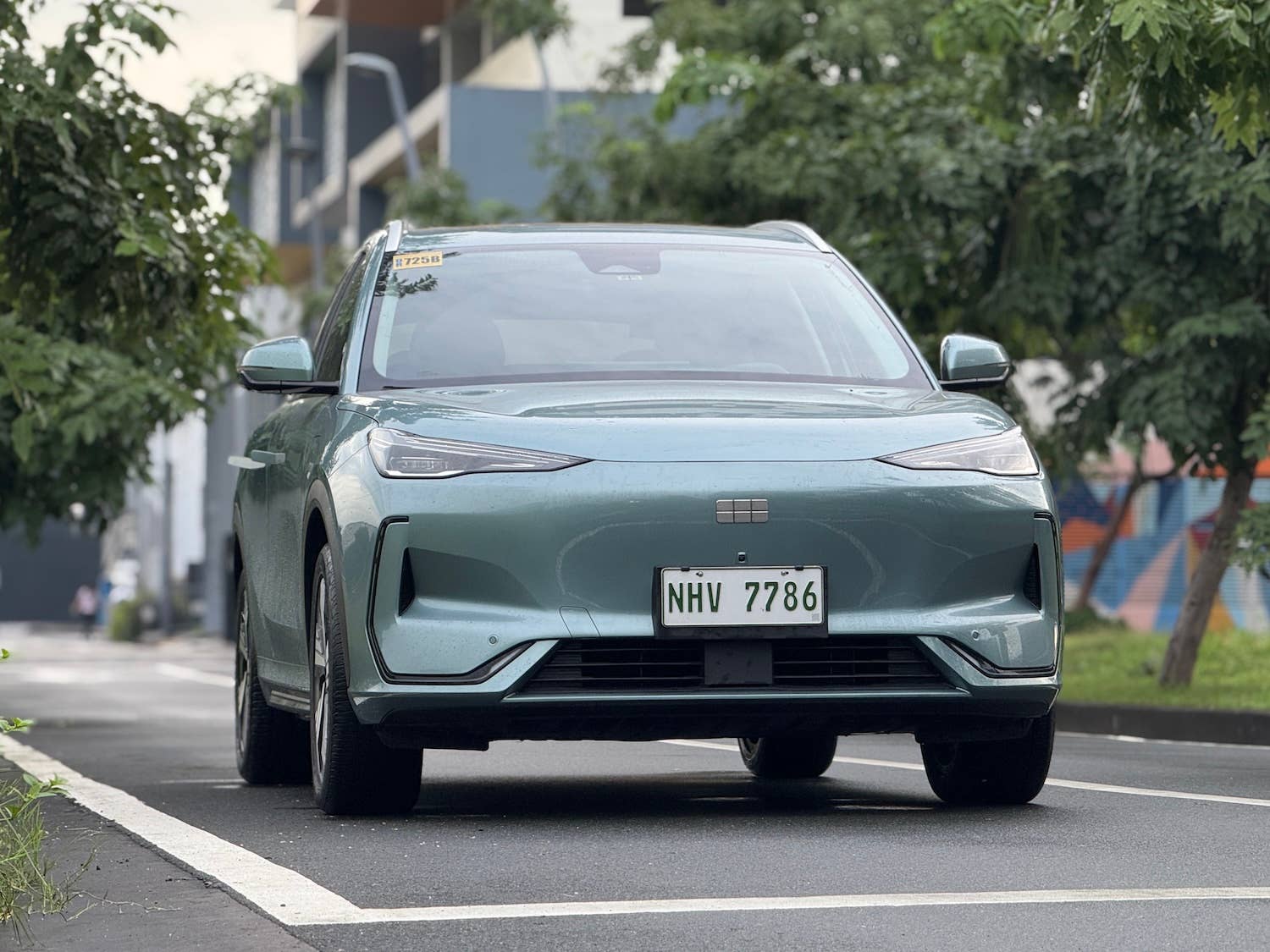
Geely’s portfolio extends far beyond budget EVs. The company produces hybrids capable of nearly 59 mpg and priced at around $16,000 in China. That kind of value proposition is precisely what the U.S. market lacks today.
Still, political resistance remains strong. Ford CEO Jim Farley has openly opposed the entry of Chinese vehicles, citing risks to domestic manufacturing. Meanwhile, proposed legislation could outright ban Chinese cars from U.S. roads. Even if production shifts stateside, regulatory scrutiny over software and supply chains will remain a significant barrier.
Jacob Oliva/Autoblog
Younger Buyers Are Open to Chinese Brands
Consumer sentiment may ultimately force a shift. A recent study found that 69% of Gen Z buyers are open to purchasing Chinese car brands, largely driven by affordability and perceived value. That is a critical data point as younger buyers begin shaping market demand.
It feels less like a question of if and more of when. If Chinese-developed vehicles do arrive via localized production, pricing will be the defining factor. Tariffs, compliance costs, and political friction could erode their biggest advantage. The real test will be whether these cars can stay disruptive once they land on American soil.


There are no reviews to display.