


From 40 to 40,000
Last month, a mere 40 units of the EX30 were recalled in the US after regulators spotted a possible fire risk with the high-voltage battery. Owners got the usual advice: park outside, keep away from buildings, and limit charging to 70 percent until Volvo could sort it out.
That small recall didn’t stay small for long. Volvo has now confirmed a global recall for over 40,000 EX30s, turning what started as a minor regulatory blip into a major test for one of its most important EVs. With Chinese competitors lurking around the EX30, the timing couldn’t get any worse.
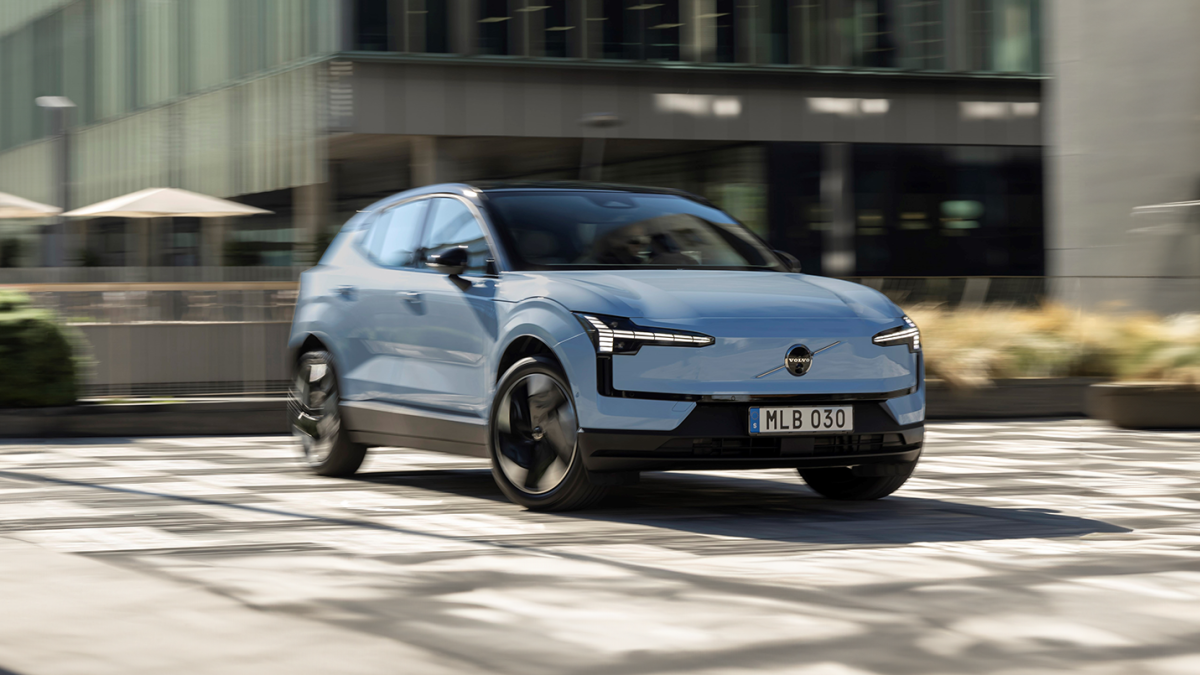
Volvo
What’s Affected
The recall covers 40,323 EX30s worldwide, including both the single-motor extended-range and twin-motor performance models, Reuters reports. The issue comes from battery packs supplied by Shandong Geely Sunwoda Power Battery Co., a joint venture tied to Volvo’s parent company, Geely.
The risk comes down to overheating from a possible short circuit inside the battery cells. Regulators say a manufacturing glitch could cause lithium to build up, which might lead to too much heat in some situations. So far, though, there haven’t been any crashes, injuries, or fires linked to the defect.
Volvo isn’t taking any chances. Since December, owners in the US, Australia, Brazil, and other markets have been told to keep charging at 70 percent and avoid parking near buildings. In the US, the recall was done with the NHTSA, which said drivers might get a battery overheating warning if the problem shows up.
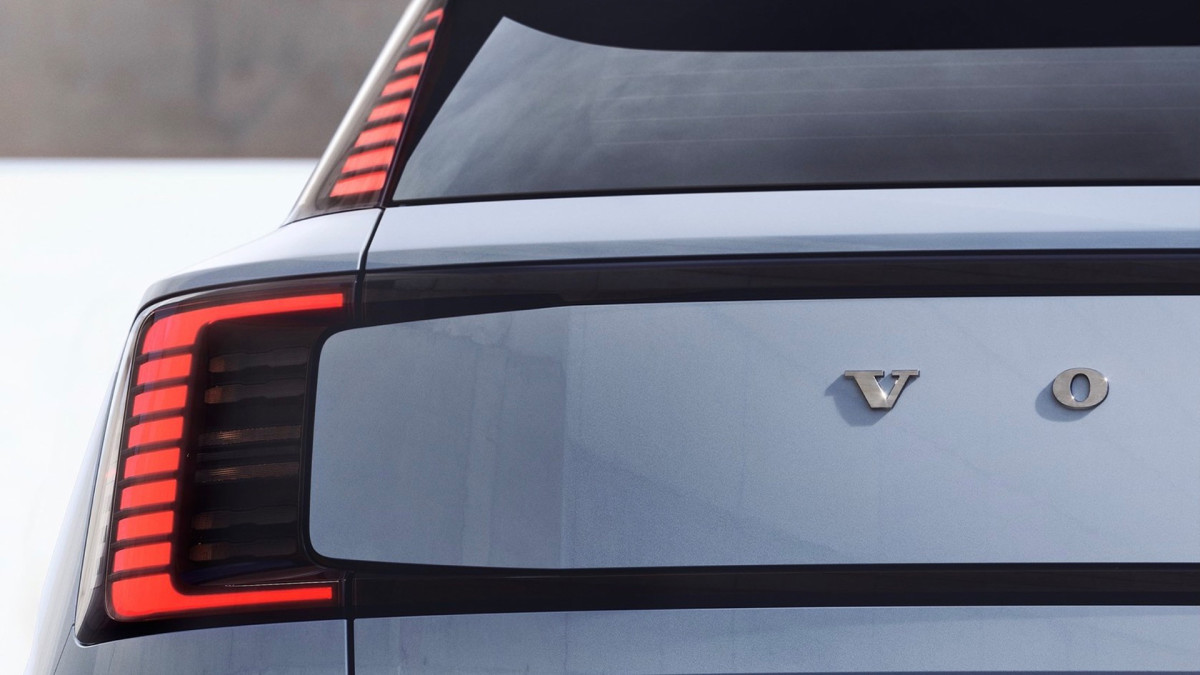
Volvo
What Owners Need to Do
Volvo says the supplier has already fixed the manufacturing issue, and new battery modules will be installed at no cost to owners. For now, though, the charging cap stays in place as a precaution while owners wait for further instructions.
The cost could be huge. Reuters estimates that just replacing the battery packs could run about $195 million, not counting shipping or labor. Volvo says that number is just a guess for now, and talks with the supplier are still underway.
For owners, the steps are straightforward but not exactly convenient: keep the charging limit, follow the parking advice, and wait for the official repair notice.


There are no reviews to display.