




The Seatbelt Legacy Continues
In 1959, Volvo introduced the three-point safety belt, which would go on to save an estimated one million lives and counting. The Swedish manufacturer’s history of making the safest cars on the road was based on a simple promise: its passengers would walk away in the event of a crash. Volvo's so committed to that promise that it comes up with its own crash tests that go above and beyond standardized test procedures around the world. The newly revealed EX60 electric crossover reinforces that legacy with its multi-adaptive safety belts that adapt for each passenger to provide the best protection.
Recent crash-test footage shows the vehicle slamming pole-first at 37 mph after a simulated road departure. The structure behaves exactly as intended: the front end crumples progressively, the A-pillars remain intact, and the windshield survives. It’s safety engineering at its best, but there is a design choice that clashes with the brand’s safety-first philosophy: hidden door handles.
The Tesla-Style Hidden Door Handle Contradiction
The EX60 features electronically operated, sensor-based door handles, which it calls wing-grip door handles that sit at the top of the frameless doors. Electronic door release handles are becoming common among manufacturers who view them as an advantage in terms of style and aerodynamics. However, they raise significant concerns regarding occupant safety. One of the primary risks of electronically controlled door handles is that if a collision disables the vehicle's electronics, the doors cannot be opened manually, and the occupants can become trapped inside the vehicle.
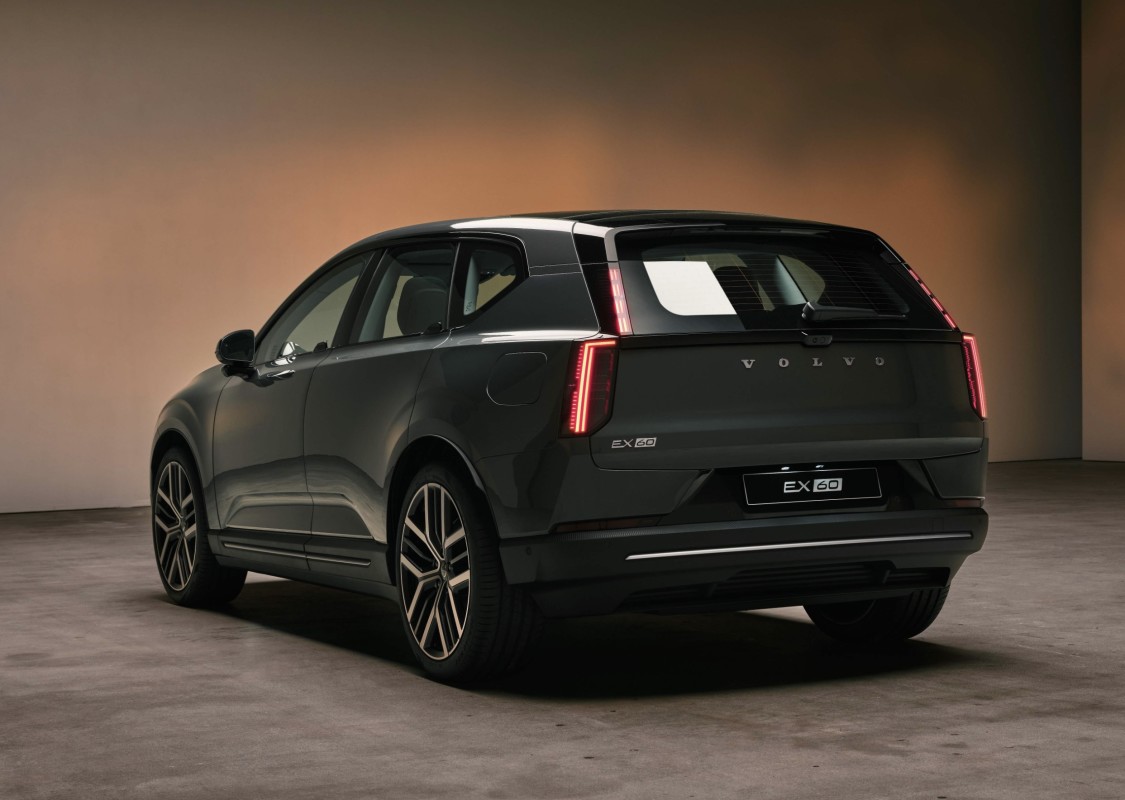
Volvo
It is unclear at this point whether Volvo has installed any fail-safes to mechanically open the doors in the event of an electronic system failure in the EX60. However, in the United States, the proposed SAFE Exit Act seeks to limit electronic-only door releases following the deaths of several individuals who were unable to safely exit their vehicles due to failed door mechanisms. In addition, China has already banned retractable door handles, effective January 2027, and all future models sold in that country will be required to include a mechanical emergency door release. Regulators in Europe are currently considering similar bans.
Why Volvo Chose This Path
Volvo's safety-first approach to vehicle design is not simply a marketing slogan. After introducing the three-point safety belt, Volvo continued to push the boundaries of safety in its vehicles by adding such features as rear headrests, side impact protection, blind spot monitoring, and pedestrian detection with automatic braking. More recently, Volvo's vehicles have shared real-time hazard data with each other via a cloud-based network. The EX60 continues along this path by utilizing advanced sensors and structurally integrating the batteries to help anticipate and mitigate crashes prior to driver intervention.
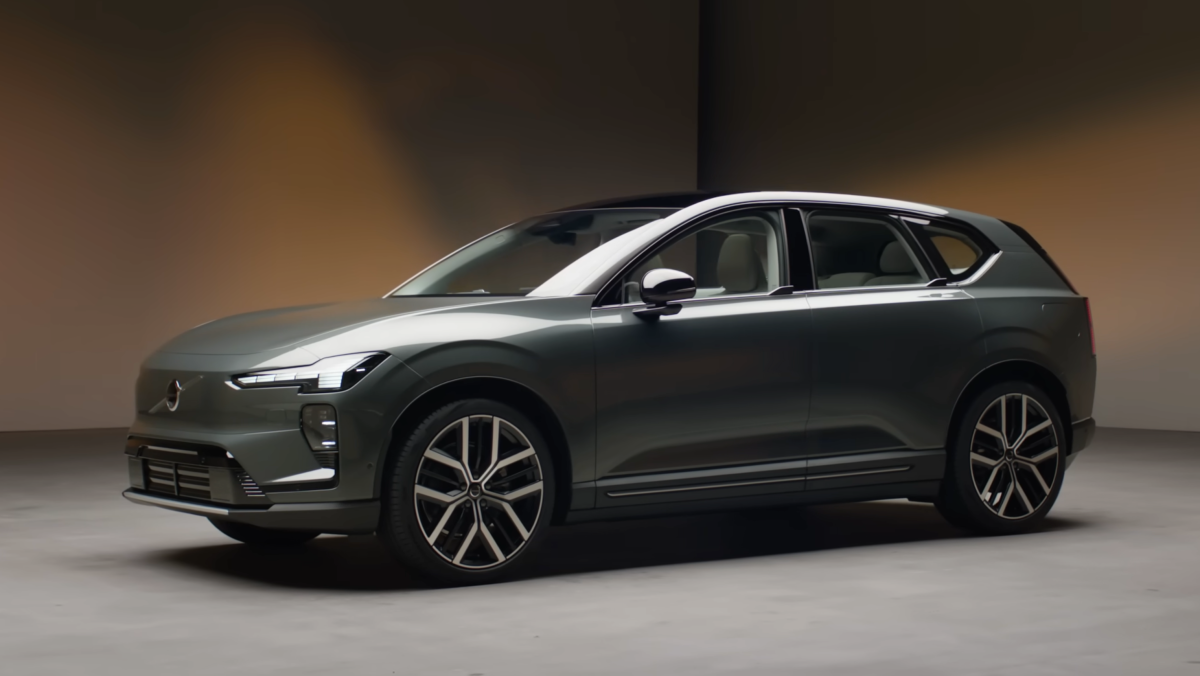
Volvo
So why would Volvo go down the electronic door handle path that's known to be problematic? Platform sharing within the Geely group likely played a role, as did pressure to match the flush look popularized by Tesla. Volvo built its reputation by favoring mechanical certainty over fragile complexity. Adopting door handles now facing regulatory extinction feels like a departure from the values that once defined the brand.


There are no reviews to display.